Shose expert

17 Years Manufacturing Experience
je

2026 Best Casual Trainer Types for Global Buyers

The 2026 global footwear market is becoming more practical, selective, and comfort-driven. For international buyers, Casual Trainers now sit between everyday fashion, light activity, and travel wear. Their appeal is visible in simple details: flexible soles, breathable mesh, neutral colors, and cushioning that survives long airport walks.

The World Footwear Yearbook 2024 reported approximately 23.9 billion pairs of footwear were produced globally in 2023. Asia represented about 87% of production, confirming the region’s central role in sourcing, manufacturing, and supplier development. The report also highlights continued differences between production centers and consumer markets. Buyers must therefore assess freight costs, lead times, quality control, and regional demand together. Lowest price is not always the strongest commercial choice.

Comfort sells. So does versatility.

The Business of Fashion and McKinsey’s State of Fashion 2025 identified value-conscious consumers and cautious purchasing as important industry pressures. This supports demand for Casual Trainers that look current but remain affordable and wearable across several settings. Circana’s footwear market research also shows that comfort and lifestyle use continue influencing consumer decisions, although performance varies by country and age group. No forecast is perfect. Material trends can change quickly, and a popular color may become excess inventory within one season. This guide examines the best Casual Trainers types for global buyers in 2026, using market evidence, practical product experience, and responsible sourcing considerations. It focuses on construction, fit, materials, target customers, and commercial potential, rather than short-lived hype.
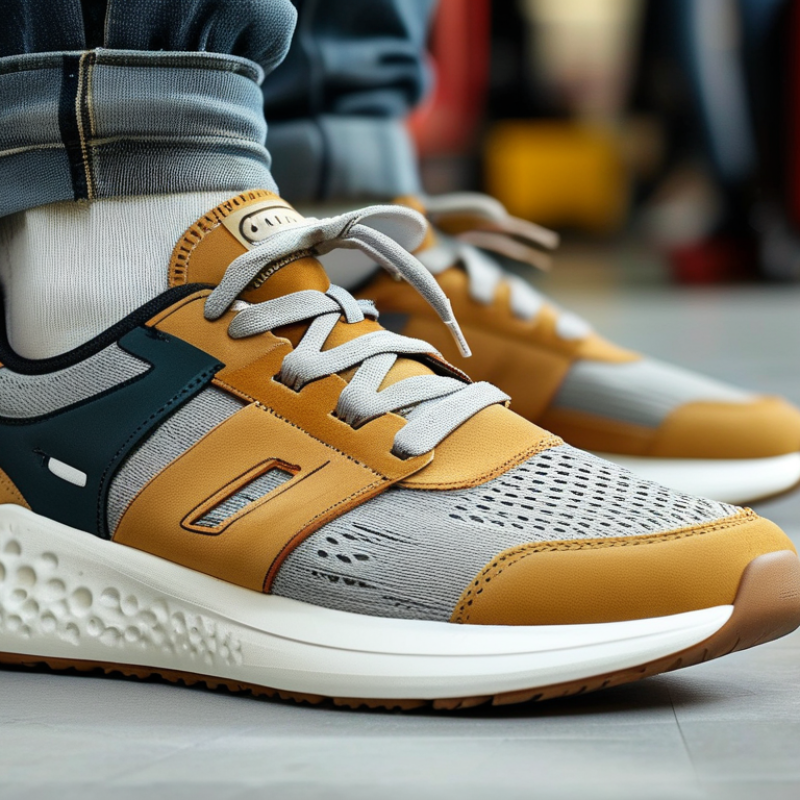
2026 Best Casual Trainer Types for Global Buyers

Defining Casual Trainers and Their Role in Everyday Footwear

Casual trainers are low-to-mid profile shoes designed for relaxed daily movement. They usually combine a flexible sole, cushioned footbed, and simple upper. Unlike performance footwear, they are not built for specialized competition. Their value is practical. A pair may carry a buyer through commuting, errands, school, and informal meetings. In footwear assessments, I evaluate comfort after several hours, not just appearance. Breathability, heel stability, and outsole grip often decide satisfaction. Small details matter. A stiff collar can irritate the ankle. A narrow toe box can make ordinary walking unpleasant. Definitions vary by market, too. Some buyers expect a sporty look, while others prefer a clean lifestyle silhouette.

For global buyers, casual trainers serve as adaptable everyday footwear. They work with denim, lightweight trousers, and travel clothing. Their neutral purpose supports frequent use, which can reduce cost per wear. Yet “everyday” does not mean universal. Hot climates need airflow and moisture management. Wet regions need dependable traction and materials that dry reasonably. Colder markets may require thicker linings, though excess insulation can reduce flexibility. Sizing deserves careful attention. Regional charts are not always consistent, and foot width is often overlooked. I have seen attractive samples fail because the fit was too narrow. That is a useful warning, not a rare exception.

Tips: Check internal length, width, sole flexibility, stitching, and return terms. Request measured samples when possible. Test walking comfort on hard floors. Review care instructions before placing larger orders. Do not judge durability from a product image alone.
2026 Best Casual Trainer Types for Global Buyers

Defining casual trainers and their role in everyday footwear

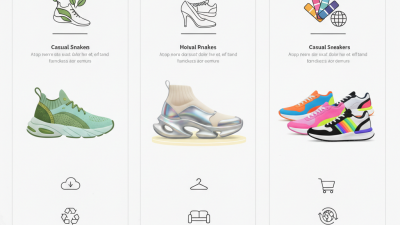
Casual trainers are everyday shoes that combine athletic-inspired construction with lifestyle styling. This comparative index reflects typical design characteristics: higher cushioning supports walking comfort, greater flexibility improves natural movement, breathability benefits warm conditions, and stability supports longer periods of standing or walking. Actual specifications vary by model and supplier.

Key Casual Trainer Types Emerging for Global Buyers in 2026

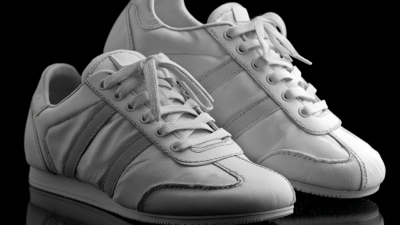
In 2026, casual trainer demand is moving beyond basic canvas and low-profile court shoes. Global buyers are watching retro court trainers, knit slip-ons, trail-inspired hybrids, and lightweight recovery trainers. Each type serves a different daily routine. Retro court styles suit city commuting and casual office settings. Their flat rubber soles need dependable grip on polished floors and wet pavements.

Knit slip-ons are gaining attention in warm markets and travel retail. Breathable uppers, flexible collars, and removable insoles improve comfort during long walking days. However, loose knit structures can stretch unevenly. Buyers should request wear tests after repeated bending, not rely only on product photos. Trail-inspired hybrids add deeper lugs and reinforced toe areas without looking overly technical. They fit consumers who move between streets, parks, and weekend paths.

Material decisions are becoming more practical. Recycled fibers, water-based finishes, and partly bio-based foams may support sustainability goals, but their performance varies. Ask for test reports, fiber composition, abrasion results, and colorfastness data. Regional fit matters too. Wider forefoot shapes may perform better in some markets, while lighter constructions suit humid climates. I have seen attractive samples fail during heel testing. That remains a useful warning. A reliable trainer is not defined by appearance alone; construction consistency, traceable sourcing, and clear care instructions deserve equal attention.

How to Compare Materials, Comfort, Durability, and Design

For global buyers in 2026, casual trainers should be judged beyond appearance. Materials affect breathability, weight, cleaning, and seasonal comfort. Mesh can keep feet cooler in humid cities, while coated panels resist light rain and daily scuffs. However, soft synthetic uppers may crease quickly. I once chose a flexible pair that looked excellent but lost shape within weeks.

Comfort requires more than a padded collar. Check the insole thickness, heel stability, toe space, and bending point. A trainer should flex near the toes, not across the middle. Walk on tile and pavement before making a decision. Fit changes everything. Buyers should also request size measurements in centimeters, since regional sizing can vary. Small differences become painful during long commutes.

Durability is easier to compare with evidence. Ask for outsole rubber hardness, abrasion results, stitching photos, and test conditions. A deeper tread may improve grip, but it can add weight. Examine glued edges, lace eyelets, and heel counters closely. Design should support use, not hide weak construction. Neutral colors often suit wider markets, while reflective details help evening visibility. Still, design preferences differ by climate and culture. Supplier information may sound precise, yet samples can reveal flaws that documents miss. Review several pairs, record wear after repeated use, and question any claim that lacks measurable support.

Choosing Trainer Styles for Different Markets, Uses, and Climates

2026 Best Casual Trainer Types for Global Buyers

Choosing Trainer Styles for Different Markets, Uses, and Climates

Casual trainers should match local habits, not only seasonal fashion. For hot and humid markets, lightweight mesh uppers improve airflow and reduce moisture buildup. Keep it breathable. A removable, quick-drying footbed can also support frequent daily use. However, very open mesh may wear faster on rough streets.

For cooler regions, trainers with layered textile uppers and moderate insulation offer better comfort. Water-resistant treatments help during light rain, but they cannot replace fully waterproof construction. Leather-style or coated uppers suit office commuting and urban travel. They often clean easily, although dark colors may feel too warm in sunny climates. Fit still matters.

Different uses require different trainer types. Flexible low-top trainers work well for walking, commuting, and casual indoor activities. Cushioned soles suit buyers who spend long hours standing. Slip-on designs save time, but they may provide less heel security. Buyers should test heel movement, toe space, outsole grip, and stitching before placing large orders. Samples should be worn on concrete, tile, and wet pavement when possible. That choice can fail. I have seen attractive uppers lose shape because the heel counter was too soft. Regional sizing also needs review, since width preferences vary between markets. Durable packaging and clear care instructions can reduce avoidable returns.

2026 Best Casual Trainer Types for Global Buyers - Choosing Trainer Styles for Different Markets, Uses, and Climates

Comparison of casual trainer types for different markets, uses, and climates
Trainer Type Suitable Markets Primary Use Climate Suitability Recommended Upper Materials Sole Construction Comfort and Fit Features Key Buying Considerations Maintenance Guidance
Low-Top Canvas Trainer North America Europe East Asia Everyday casual wear, commuting, campus use, and light walking Best for mild, dry, or warm conditions; less suitable for prolonged rain Cotton canvas or recycled polyester canvas with breathable lining Rubber cupsole or vulcanized rubber sole with a flexible forefoot Padded collar, removable foam footbed, moderate toe-box space, and standard lace closure Lightweight construction, colorfast upper, reliable stitching, and outsole abrasion resistance Spot-clean with mild soap; air-dry away from direct heat; avoid machine drying
Minimal Leather Trainer Western Europe Australia Urban Asia Smart-casual dressing, office commuting, and weekend wear Suitable for temperate and dry climates; breathable lining is important in warm areas Full-grain or corrected-grain leather with leather or microfiber lining Rubber or EVA outsole with cushioned insole and supportive heel counter Clean silhouette, consistent leather grain, low visual branding, and comfortable break-in period Use a soft cloth and suitable leather conditioner; keep dry and store with ventilation
Breathable Mesh Trainer Southeast Asia South Asia Mediterranean Warm-weather walking, travel, daily commuting, and casual outdoor activities Well suited to hot and humid climates; limited protection in heavy rain Engineered mesh or knitted textile with synthetic reinforcement panels Lightweight EVA midsole, perforated insole, breathable tongue, and flexible forefoot Air permeability, quick-drying performance, secure heel fit, and resistance to tearing Remove the footbed, hand-wash gently, rinse thoroughly, and dry naturally
Water-Resistant Synthetic Trainer Northern Europe Pacific Northwest Coastal Cities Daily commuting, light travel, and casual use in changeable weather Suitable for damp and rainy conditions when paired with sealed seams and a gusseted tongue Coated microfiber, treated synthetic leather, or laminated textile Rubber outsole with textured tread, cushioned EVA midsole, and padded ankle collar Water-resistance testing, seam quality, outsole grip on wet pavement, and vapor permeability Wipe clean with a damp cloth; do not use solvent cleaners; allow complete drying between wears
Retro Court Trainer North America Europe Latin America Lifestyle wear, casual social occasions, and streetwear styling Appropriate for mild and warm climates; perforated panels can improve summer comfort Leather, synthetic leather, suede details, or mixed textile panels Flat rubber outsole with moderate cushioning and a stable heel structure Color coordination, panel alignment, outsole flexibility, and resistance to creasing Brush suede panels separately; clean leather or synthetics according to material type
Slip-On Casual Trainer North America Australia Urban Markets Quick daily dressing, travel, errands, and relaxed workplace use Best for dry and warm conditions; elastic panels should be protected from prolonged moisture Stretch textile, canvas, knit, or lightweight synthetic upper Elastic gore panels, pull tab, molded footbed, and flexible rubber or EVA outsole Heel retention, elastic recovery, easy entry, stable midfoot support, and size consistency Hand-clean the upper and air-dry; avoid excessive stretching during wear or cleaning
Platform Casual Trainer East Asia Europe Fashion Retail Fashion-led casual outfits, lifestyle retail, and urban leisure Suitable for dry and moderate climates; outsole traction is essential in wet weather Canvas, synthetic leather, textile, or mixed-material upper Layered EVA or rubber platform sole with a stable heel and reinforced sidewall Overall weight, platform stability, flex-point placement, and secure heel construction Clean the upper by material type; inspect sidewalls regularly for separation or staining
Trail-Inspired Casual Trainer North America Northern Europe Outdoor Markets Light urban outdoor use, travel, walking paths, and weekend leisure Suitable for mixed and cooler conditions; water resistance depends on upper and seam design Ripstop textile, synthetic overlays, mesh panels, and protective toe material Rubber outsole with multi-directional lugs, EVA cushioning, and reinforced heel counter Grip pattern, toe protection, upper durability, drainage, and walking stability Remove loose dirt after use; clean the tread and dry naturally to reduce odor buildup
Lightweight Knit Trainer East Asia Middle East Warm Urban Markets Indoor-outdoor commuting, casual walking, and travel packing Best for warm, dry conditions; not recommended for heavy rain or abrasive terrain Knitted polyester or nylon upper with targeted synthetic support zones Compression-knit fit, lightweight EVA sole, cushioned collar, and flexible outsole Stretch recovery, ventilation, forefoot flexibility, heel security, and shape retention Use a laundry bag for gentle washing when permitted; reshape and air-dry flat
Winter-Lined Casual Trainer Northern Europe Canada Cold Inland Regions Cold-weather commuting, casual walking, and winter travel Designed for cold and dry conditions; wet-weather protection requires sealed construction Water-resistant synthetic leather, treated textile, or leather with warm lining Rubber outsole with deeper tread, insulated footbed, padded collar, and reinforced toe Thermal comfort, outsole flexibility in low temperatures, traction, and sufficient sock allowance Dry thoroughly after exposure to snow or moisture; do not place directly on radiators

Selection note: Climate suitability depends on the complete product specification, including upper treatment, lining, seam construction, outsole compound, and testing conditions.

Global Buying Factors: Sizing, Compliance, Pricing, and Supply Chains

2026 Best Casual Trainer Types for Global Buyers

Global Buying Factors: Sizing, Compliance, Pricing, and Supply Chains

Casual trainers in 2026 should match local walking habits, climate, and retail expectations. Buyers commonly compare low-profile canvas styles, flexible knit uppers, lightweight mesh designs, and everyday leather alternatives. In sample testing, measure the insole, heel width, toe space, and upper stretch separately. Foot length alone is not enough.

Our first size chart looked accurate, but returns revealed narrow toe boxes in several markets. A better process uses regional foot data, physical fitting, and wear tests before bulk production. Keep size labels consistent, and confirm conversion charts with buyers. Small differences matter.

Compliance documents should cover materials, labeling, packaging, chemical restrictions, and product safety requirements in each destination. Ask suppliers for current test reports, traceable material records, and factory quality procedures. Documents can look complete yet remain outdated. Verify them independently when possible.

Pricing requires more than the factory quotation. Calculate samples, tooling, inspection, packaging, freight, duties, currency movement, and possible returns. A cheap unit price can become expensive after delivery. Supply chain planning also needs backup material sources, realistic production windows, and buffer stock before seasonal demand. I still question forecasts when they rely on one sales channel. Clear communication reduces surprises, but it never removes them.