Shose expert

17 Years Manufacturing Experience
je

7 Best Outdoor Shoes for Wholesale Buyers?

Choosing the right Outdoor Shoes for wholesale is not simply a matter of finding attractive styles. Buyers must examine grip, comfort, durability, sizing consistency, seasonal demand, and landed cost. A strong product may look impressive in a showroom, yet perform poorly on wet trails or uneven pavement.

This guide presents seven practical Outdoor Shoes options for wholesale buyers. It considers hiking shoes, trail sneakers, lightweight approach shoes, waterproof models, and everyday outdoor footwear. Each category serves a different customer. A retailer near mountain routes may need aggressive lugs and reinforced toe caps. An urban outdoor store may prefer lighter designs with flexible soles and cleaner colors.

Details matter.

Material testing, supplier communication, and sample inspections can prevent expensive mistakes. Buyers should check stitching around the heel, outsole bonding, insole support, and odor after packaging. Size charts also deserve attention. Inconsistent measurements can create returns, damaged margins, and disappointed customers. Wholesale pricing matters, but the lowest quotation is rarely the safest choice.

Yvon Chouinard, founder of Patagonia, once said, “The more you know, the less you need.” His observation fits footwear selection well. Better product knowledge can reduce unnecessary styles and improve inventory decisions. Still, no ranking is perfect. Customer preferences change, climates differ, and a shoe that succeeds in one market may fail in another.

The seven selections below are intended as a practical starting point. They combine commercial potential with real-use considerations. Buyers should test samples, review supplier records, and compare performance before placing larger orders. A careful decision may feel slower, but it usually protects long-term trust.
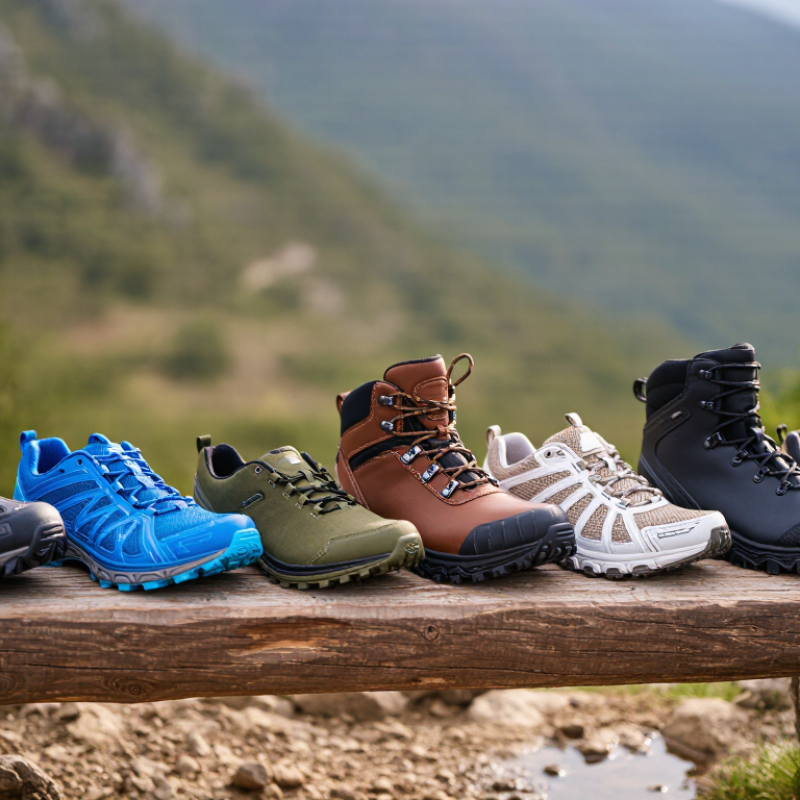
7 Best Outdoor Shoes for Wholesale Buyers?

Understanding Outdoor Shoe Needs in Wholesale Markets

Wholesale outdoor footwear buyers need evidence, not attractive product photos alone.

The Outdoor Industry Association reported 175.8 million U.S. outdoor participants in 2023, showing broad demand beyond specialist hikers. This audience includes commuters, families, trail runners, and weekend campers. Their needs differ sharply.

A practical seven-line assortment can include

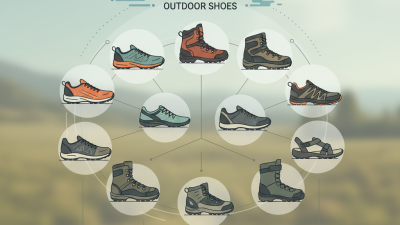
trail runners, hiking shoes, waterproof boots, approach shoes, outdoor sandals, winter boots, and work-to-trail footwear.

Product requirements

Trail runners need flexible midsoles and aggressive rubber lugs. Hiking shoes require stable heel counters and reinforced toe caps. Waterproof boots should show tested membrane performance, not vague claims. Sandals need secure straps and fast-drying footbeds.

Grand View Research valued the global hiking footwear market at approximately 4.45 billion dollars in 2023, with continued growth expected through 2030. That growth may reward focused assortments, but forecasts are not purchase orders.

Wholesale decisions

Wholesale decisions also depend on climate, sizing, packaging, and replenishment speed. A coastal buyer may need breathable mesh, while a mountain retailer expects insulation and deeper tread.

Before placing large orders

Request abrasion tests, slip-resistance results, waterproof testing, and wear samples before placing large orders. Check size curves with actual regional sales data.

Common mistakes and market reality

A common mistake is overbuying extreme boots because they look technically impressive. They often sit untouched in warm climates. I would also question uniform color plans; practical black sells steadily, but visible seasonal colors can improve shelf movement. Circana and OIA market reports provide useful direction, yet local sell-through remains the harder truth.
Key Criteria for Evaluating Outdoor Footwear

7 Best Outdoor Shoes for Wholesale Buyers

Key Criteria for Evaluating Outdoor Footwear

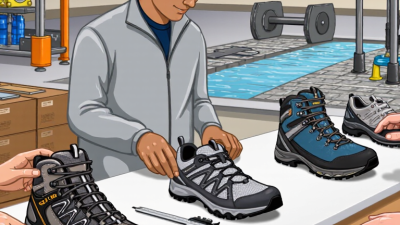
Wholesale buyers should evaluate outdoor shoes through real use, not attractive product photos. Check the upper material, stitching, eyelets, and heel counter closely. Uneven seams often become return problems after repeated wear. Ask suppliers for material specifications, test records, and clear production tolerances. Reliable documentation supports better purchasing decisions.

Fit is equally important. Measure several sizes, including wide and narrow feet, because sizing can vary between factories. Walk on gravel, wet pavement, and stairs during sample testing. A stable heel, flexible forefoot, and secure lacing system improve everyday comfort. The outsole should provide dependable grip without feeling stiff. Look for deep, well-spaced patterns that release mud easily.

Weather resistance needs practical verification. Spray water on the upper, then inspect the lining and seams after ten minutes. However, one short test cannot prove long-term performance. No test is perfect. Repeat checks with multiple samples from different production batches. Buyers should also compare weight, drying time, odor retention, and packing quality. Lightweight shoes may sell well, but thin materials can reduce durability. A careful buyer records every weakness, even minor ones, before approving a larger order.

7 Best Outdoor Shoes for Wholesale Buyers

Key criteria for evaluating outdoor footwear across durability, traction, weather protection, comfort, packability, and wholesale potential.

The benchmark uses a 100-point buyer score: durability and traction receive the highest weighting, followed by weather protection, comfort, packability, and wholesale potential. Higher scores indicate stronger overall suitability for outdoor footwear assortments.

Seven Outdoor Shoe Types Worth Stocking

Wholesale buyers should stock seven outdoor shoe types that serve different terrain, weather, and customer habits. Hiking boots remain essential for rocky trails, heavy packs, and colder seasons. Look for firm midsoles, reinforced toe caps, and deep lugs that resist early wear. Trail running shoes attract lighter hikers who value speed and flexible movement. Their grip should handle loose gravel without feeling too stiff.

Waterproof hiking shoes fit customers needing everyday trail protection without a tall boot. Breathable linings matter because damp feet quickly reduce comfort. Approach shoes offer better precision on uneven rock, making them useful for climbing areas and technical paths. Camping sandals provide airflow around campsites, but their straps must dry quickly and hold securely. Fit still matters.

Water shoes deserve space near summer collections. Fast-draining mesh, protective soles, and adjustable closures support river walks and coastal activities. Insulated winter boots are another practical choice for snow, frozen ground, and long outdoor shifts. Check insulation levels carefully; overly warm boots can feel uncomfortable indoors. In buying reviews, I have seen attractive styles sell slowly when their sizes run narrow. That lesson is easy to ignore. Keep colors practical, but include one distinctive option for younger shoppers. Test sample pairs with thick socks, wet surfaces, and several hours of walking before placing large orders. A low return rate often begins with honest sizing notes, durable stitching, and clear product specifications.

Comparing Materials, Performance, and Wholesale Value

7 Best Outdoor Shoes for Wholesale Buyers?

Comparing Materials, Performance, and Wholesale Value

The best wholesale outdoor shoes balance material quality, field performance, and predictable margins. Trail runners suit light hiking and fast-moving customers. Hiking boots offer ankle support and stronger protection on rocky paths. Approach shoes provide grip for mixed terrain, while water shoes dry quickly beside rivers or beaches. Insulated boots serve cold-weather markets. Outdoor sandals improve airflow in warm regions. Lightweight work-style shoes can attract customers seeking daily durability.

Material selection affects both comfort and purchasing risk. Mesh uppers reduce weight and improve ventilation, but they may tear near rough stones. Full-grain leather handles abrasion well, yet it needs longer break-in time. Rubber outsoles should maintain traction on wet surfaces, not only polished showroom floors. EVA midsoles lower weight and cost, although compression may reduce long-term comfort. Wholesale value depends on defect rates, packaging, sizing consistency, and reorder reliability. A low unit price is not always a good deal.

Tips: Request samples in several sizes. Test them on wet concrete, gravel, and stairs. Check stitching, glue lines, outsole flexibility, and insole recovery. Ask for laboratory or material documentation when available. Do not rely only on attractive photos. A shoe can look rugged and still feel unstable. My checklist may miss regional preferences, so review customer feedback after the first shipment.

7 Best Outdoor Shoes for Wholesale Buyers? - Comparing Materials, Performance, and Wholesale Value

Outdoor Shoe Type Best Use Upper Materials Outsole Construction Water Protection Traction Durability Typical Weight per Pair Indicative Wholesale Range
(USD / Pair)
Wholesale Value Key Buying Considerations
Lightweight Hiking Shoe Day hikes, travel, light trails Mesh or textile panels with synthetic overlays; padded collar and tongue Rubber outsole with multi-directional lugs and EVA midsole Low to moderate; water-resistant versions use treated mesh or a gusseted tongue ★★★★☆ ★★★★☆ 600–900 g $18–$35 High-volume option with broad seasonal demand and relatively low freight weight Check stitching around toe caps, heel counters, removable insoles, and size consistency
Trail Running Shoe Running, fast hiking, mixed trail surfaces Breathable engineered mesh with welded or printed protective overlays Flexible rubber outsole with 3–5 mm lugs; lightweight EVA or foam midsole Usually low; waterproof membranes reduce breathability and add weight ★★★★☆ ★★★☆☆ 500–750 g $16–$32 Attractive margin potential because of lightweight construction and strong repeat demand Evaluate outsole wear, toe-box volume, heel lockdown, cushioning recovery, and breathability
Mid-Cut Hiking Boot Extended hikes, uneven terrain, moderate backpacking Split-grain leather, suede, or reinforced synthetic textile with rubber rand Stiffer rubber outsole with 4–6 mm lugs; molded EVA or PU midsole Moderate to high when paired with a waterproof membrane and gusseted tongue ★★★★★ ★★★★★ 900–1,300 g $28–$55 Strong value in specialist and outdoor channels due to higher perceived performance Inspect flex-point bonding, seam sealing, ankle support, rand adhesion, and outsole hardness
Waterproof Outdoor Shoe Wet trails, commuting, rainy-season outdoor work Synthetic leather or textile with a waterproof-breathable membrane Rubber outsole with enclosed edges and moderate lug depth High when membrane, tongue, seams, and upper-to-sole bonding are properly tested ★★★★☆ ★★★★☆ 750–1,100 g $24–$48 Good seasonal and regional value, especially in rainy or temperate markets Request hydrostatic water tests, flex testing, breathability data, and membrane inspection records
Approach Shoe Rock approaches, scrambling, technical day hikes Suede or durable synthetic upper with reinforced toe and heel zones Sticky rubber outsole with climbing zone at the toe and low-profile lugs Low to moderate; designs generally prioritize grip and precision over waterproofing ★★★★★ ★★★★☆ 700–1,000 g $26–$52 Higher unit value and lower direct price competition in technical outdoor retail Test edging stability, toe-rubber coverage, heel retention, torsional control, and rubber grip
Water Shoe Beach use, kayaking, boating, wet recreational activities Quick-drying mesh, synthetic overlays, elastic laces, and drainage panels Flexible rubber or non-marking rubber outsole with siped tread Designed for drainage rather than waterproofing; dries quickly after immersion ★★★★☆ ★★★☆☆ 400–700 g $8–$20 Low-cost, compact, and suitable for large-volume seasonal or promotional orders Check drainage speed, non-slip performance on wet tile, chlorine resistance, and odor control
Insulated Winter Hiking Boot Snow, cold-weather hiking, winter outdoor work Water-resistant synthetic textile or leather with insulation and protective overlays Deep-lug rubber outsole with cold-flex compound; cushioned midsole Moderate to high, depending on membrane, gusset, seam sealing, and lower-shell construction ★★★★★ ★★★★★ 1,100–1,700 g $32–$70 Higher average selling price, but inventory planning must account for strong seasonality Verify insulation rating, cold-temperature flexibility, outsole grip on ice and snow, and drying time

Note: Wholesale ranges are indicative estimates for standard private-label production at medium-volume orders. Actual pricing varies with materials, construction, testing requirements, packaging, order quantity, shipping terms, and customization.

Sourcing, Quality Control, and Inventory Planning

7 Best Outdoor Shoes for Wholesale Buyers

Sourcing, Quality Control, and Inventory Planning

Outdoor footwear sells across several use cases: hiking boots, trail shoes, water shoes, sandals, winter boots, approach shoes, and lightweight walking shoes. Each type needs a different buying test. Request material samples before approving bulk production. Check outsole grip on wet tile, packed soil, and loose gravel. Measure toe space, heel movement, and flex after repeated bending. A shoe can look rugged and still fail at the stitching.

Quality control should include size consistency, bonding strength, lace hardware, lining comfort, and drainage performance. Ask factories for test records, but verify key results independently. Inspect cartons from different production batches. My own buying mistake was checking only the first sample. Later pairs showed uneven glue marks and tighter heel counters. That small gap created avoidable returns.

Inventory planning needs more than last season’s sales figures. Track climate, customer activity, and regional size demand. Waterproof styles may move quickly before rainy months, while breathable trail shoes need warmer-season space. Keep core sizes deeper, but limit experimental colors and unusual shapes. A practical opening order can mix 60% proven designs, 25% new variations, and 15% market tests. Review sell-through weekly. Some forecasts will be wrong. Leave room to adjust replenishment instead of filling every warehouse shelf.