10 Best Basketball Shoes for Men in 2026
Choosing the right Basketball Shoes in 2026 requires more than comparing colors, prices, and famous athlete endorsements. A reliable pair should support quick cuts, controlled landings, and repeated jumps without feeling bulky. Court grip matters when a guard stops sharply near the three-point line. Cushioning matters when a forward lands after battling for a rebound. Fit matters everywhere.
This guide examines ten strong options for men, using practical standards familiar to coaches, players, and footwear specialists. We consider traction, cushioning, stability, breathability, durability, and value. We also study how each shoe may suit different playing styles. A fast guard may prefer a lightweight design. A powerful center may need stronger support around the heel and ankle. Outdoor players face another problem: indoor rubber can wear quickly on rough concrete.
No shoe works perfectly for every player. That is worth admitting. Some models feel excellent during short sessions but become uncomfortable after two hours. Others offer impressive cushioning but reduce court feel. Personal foot shape, playing surface, body weight, and injury history can change the experience. Our recommendations therefore avoid declaring one universal winner. Instead, they explain where each model performs well and where it may disappoint. Expect clear comparisons, realistic trade-offs, and details you can notice during play, such as squeaking traction, heel movement, or pressure across the toes. The best choice is not always the most expensive pair. It is the one that matches your movement, court, and weekly routine.
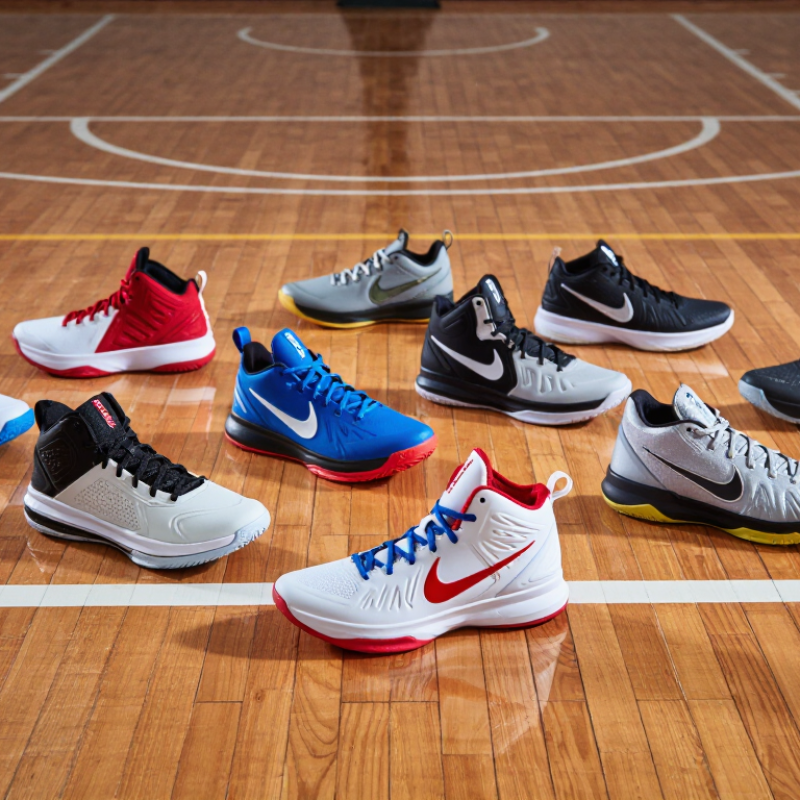
2026 Ranking Method: ASTM F2913 Grip, Cushioning, Stability, and Fit
The 2026 ranking should treat grip as a measured performance, not a marketing claim. ASTM International’s F2913 method measures whole-shoe friction under controlled conditions. A higher reading can indicate stronger grip on the tested surface, but it does not guarantee traction on every court. Dust, moisture, and floor finish change the feel. Small details matter. We would compare shoes on consistent surfaces, then check whether traction remains predictable during hard stops and lateral cuts. Lab results help; they do not recreate every game.
Cushioning can be assessed with ASTM F1976, which measures athletic-shoe impact attenuation under repeatable impacts. That gives reviewers a useful comparison, not a direct forecast of comfort or injury risk. Stability and fit need practical checks too: observe heel movement, foot rollover, and toe pressure during jumps and quick direction changes. Record fit across several testers when possible. One person’s secure lockdown may feel restrictive to another. Not flawless. We should acknowledge that sample sizes, break-in time, and court conditions can affect results. The ranking should therefore combine standardized measurements with documented wear tests, and explain where evidence is limited.
10 Best Basketball Shoes for Men in 2026
2026 Ranking Method: Grip is evaluated using the ASTM F2913 footwear test method. The chart shows how the overall ranking weights grip, cushioning, stability, and fit; these are evaluation weights, not test scores for individual shoes.
Performance Testing: Impact Protection, Lateral Support, and Court Traction
For a 2026 men’s basketball shoe ranking, impact protection should be tested with repeatable heel and forefoot landings, not judged by cushioning feel alone. Record impact readings under the same load, then compare them with what players feel during hard stops and repeated jumps. ASTM F2772, the standard for indoor sports-floor performance, sets benchmarks including 55–75% shock absorption and 2.3–5.0 mm vertical deformation. These figures describe flooring, not shoes, but they show why test conditions matter: a forgiving court can make firm footwear feel softer.
Lateral support needs more than a high collar. Test sharp cuts, defensive slides, and single-leg landings, watching for foot spillover and upper stretch. Note whether the heel stays planted. Small differences matter. A shoe can feel secure standing still, then shift during a fast change of direction. Record fit separately; narrow feet and wide feet may experience the same structure differently.
For traction, repeat stops and pivots on clean, dry hardwood, then retest after light dust exposure. Log slip events and stopping consistency rather than relying on a loud squeak. That sound is not a measurement. Use the same court, socks, and movement drills for every pair, and report wear after several sessions. One limitation: real gyms vary in dust and floor finish, so a single traction score can overpromise. Test notes should state those conditions clearly.
Top 10 Men’s Basketball Shoes: Specs, Positions, and Playing Styles
10 Best Basketball Shoes for Men in 2026
A useful top-ten list matches shoe specs to position and playing style, not hype. NBA Stats recorded a league pace of about 99 possessions per 48 minutes in 2023–24. That means frequent starts, stops, and changes of direction. FIBA’s official court dimensions—28 by 15 metres—also help explain why lateral grip matters. The profiles below are practical shopping targets, not lab-tested rankings; fit can change everything.
For quick guards, look for a light low-cut shoe with firm heel lockdown; for guards who land hard, choose extra forefoot cushioning. A mid-cut wing shoe balances ankle coverage and mobility, while a responsive wing option suits fast cuts and jump shots. For all-around players, seek moderate cushioning and a stable base. Bigger centers may prefer a wide, supportive platform; frequent jumpers may need more impact cushioning. For outdoor play, prioritize durable rubber and a deeper tread. Indoor specialists can choose softer, court-focused traction. A budget all-rounder should still hold the heel securely. Fit matters more.
Before buying, check the shoe’s actual weight, heel-to-toe feel, and outsole pattern. A lighter shoe may feel quick, but not if your foot slides inside it. Try a few hard stops on a clean court. Not a magic fix. Replace worn tread when grip fades, and treat advertised cushioning as a starting point, not proof of comfort.
Durability Benchmark: ISO 20871 Abrasion Data and Outsole Wear
A durability benchmark for men’s basketball shoes should look beyond deep tread or a thick-looking sole. ISO 20871 measures outsole abrasion under controlled laboratory conditions, helping compare how much material is lost during testing. Lower material loss can suggest better abrasion resistance, but it does not promise a longer playing life. Court surface, footwork, body weight, and outsole compound all matter.
For a useful comparison, check whether shoes were tested using the same method and conditions. A result from one lab may not match another lab’s setup. Also inspect the tread after real play: worn edges near the forefoot, flattened grooves, and smooth patches can reduce grip. Small details count. A shoe can score well in abrasion testing yet feel less secure on a dusty court. That is a limitation worth admitting.
Tips: Treat ISO 20871 data as one durability clue, not a final verdict. Compare reported material loss only when test conditions match, then examine the outsole after several sessions. Note where wear appears first. A quick photo under bright light helps track changes, though it cannot replace consistent testing.
Fit and Value Analysis: Sizing, Break-In Time, Price, and Warranty
A useful fit comparison starts with foot shape, not the number printed on the box. Measure both feet late in the day, when they may be slightly swollen. The larger foot should feel secure, with a little room for the toes to spread. Check heel lift during quick side steps; slipping can cause blisters and weaken control. Width matters too. A snug forefoot should not squeeze the little toe. If possible, try shoes with your usual game socks, then test a few short cuts on a clean floor. Size charts help, but they do not replace movement.
Break-in time should be short, not painful. A stiff upper may soften after several practices, but hot spots or numbness are warning signs, not proof of a good fit. That matters. Compare prices against the materials, traction, and expected use, rather than chasing the lowest tag. Mid-priced options can offer better value if the outsole suits your court and the cushioning stays comfortable. Check the return window before playing outdoors. Warranty coverage often addresses manufacturing defects, not ordinary wear, and terms differ by seller. Keep the receipt. One honest limitation: comfort is personal, so a ranking cannot predict every player’s fit.