What is the Best Type of Racing Shoes for Optimal Performance
When it comes to achieving optimal performance on the racing track, the significance of the right pair of racing shoes cannot be overstated. Racing shoes are designed with specific features that cater to the unique demands of speed, agility, and endurance. These lightweight, high-traction footwear options provide runners with the necessary support to push their limits while minimizing any potential discomfort. With a variety of designs and technologies available, selecting the most suitable racing shoes can be a pivotal decision for athletes striving to enhance their competitive edge.
As runners prepare for competitions, understanding the key aspects of racing shoes becomes essential. Factors such as fit, weight, cushioning, and breathability play crucial roles in ensuring that athletes can perform at their best. Racing shoes are engineered to facilitate not only speed but also the dynamic movements required during intense races. Furthermore, the choice of racing shoes may vary based on the type of event, personal running style, and individual preferences. By exploring the best types of racing shoes tailored for different racing environments, athletes can confidently invest in footwear that promotes optimal performance and excellence on race day.
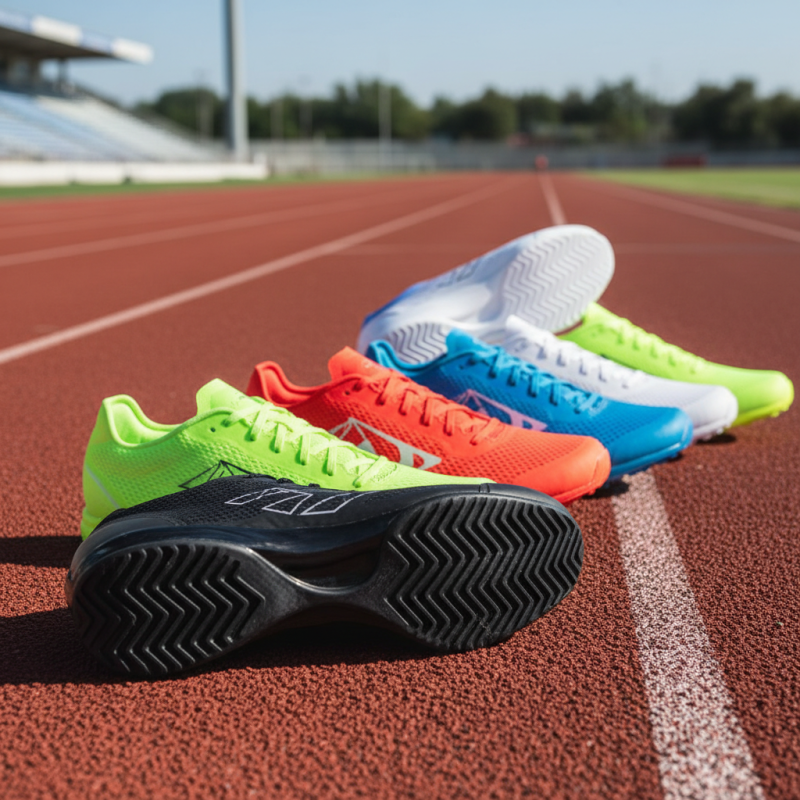
Types of Racing Shoes: A Comprehensive Overview of Categories
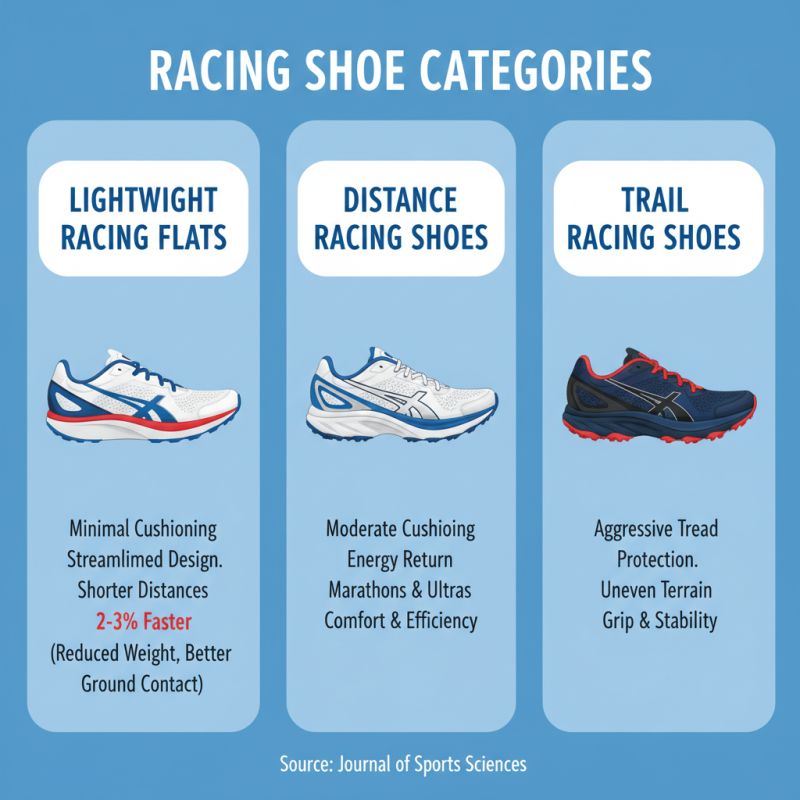
When it comes to racing, the choice of footwear can significantly impact performance. Racing shoes come in several categories, each designed to fulfill specific needs and conditions. At the forefront are lightweight racing flats, which offer minimal cushioning and a streamlined design to enhance speed on shorter distances. According to a study published in the Journal of Sports Sciences, athletes wearing racing flats can improve their race times by an average of 2-3% due to reduced weight and better ground contact feel.
Another category is the carbon-plated shoes, which have gained popularity for their ability to provide propulsion and energy return. Research indicates that carbon plate technology can enhance running economy by up to 4%, allowing runners to maintain a faster pace with less effort. Additionally, these shoes typically strike a balance between cushioning and support, making them suitable for both long-distance events and marathon training, thus appealing to a broader range of athletes.
Trail racing shoes, designed for off-road conditions, also deserve mention. With features such as aggressive traction patterns and rugged construction, they provide stability and grip on uneven terrains. According to the International Journal of Sports Physiology and Performance, runners using specialized trail shoes report fewer injuries and improved performance on varied surfaces compared to those who opt for standard road racing shoes. Understanding these categories can help athletes make informed choices that cater to their racing style and environmental conditions, ultimately enhancing their overall performance.
Key Features of Racing Shoes that Contribute to Performance Efficiency
When it comes to racing shoes, various key features contribute significantly to optimal performance on the track. One critical aspect is the shoe's weight; according to a study published in the Journal of Sports Science, shoes weighing just 150 grams can lead to a 2-3% improvement in running efficiency compared to heavier alternatives. Lightweight materials such as mesh uppers and minimalist designs allow for a more natural foot movement, reducing drag and enhancing speed.
Furthermore, the cushioning system in racing shoes plays a pivotal role in performance efficiency. Research shows that a balance between softness and responsiveness can reduce energy loss during running; an optimal midsole that utilizes advanced foam technologies can help improve both comfort and stability while providing adequate shock absorption. The implementation of carbon-fiber plates has also been demonstrated to enhance propulsion, making runners feel as if they are "springing" forward with each stride, significantly boosting their overall performance.
Finally, the outsole design and traction of racing shoes cannot be overlooked. A study by the American Journal of Sports Medicine cites that the right tread pattern can improve grip on various surfaces, minimizing slip and maximizing energy transfer during acceleration. Additional features like heel-to-toe drop ratios also contribute to performance, as a lower drop is usually associated with a more efficient running form. Together, these elements create a racing shoe that not only supports top performance but also caters to the unique needs of competitive runners.
Material Choices in Racing Shoes: Balancing Weight and Durability
When selecting racing shoes, one of the most crucial decisions revolves around the choice of materials, as this impacts both performance and the long-term usability of the footwear. Lightweight materials are essential for speed, allowing runners to maintain their best pace without unnecessary burden. Commonly utilized fabrics such as mesh offer breathability, keeping feet cool and reducing fatigue during long races. However, achieving the optimal balance between weight and durability is paramount. While lighter materials can enhance speed, they may compromise the shoe's ability to withstand the wear and tear associated with rigorous training and competitive events.
Durable components, such as synthetic overlays or reinforced toe caps, are often integrated into the shoe's design to bolster its strength without significantly increasing its weight. These features help protect against abrasions and impacts, which are particularly important for runners who log extensive miles. Examining the sole construction is equally vital; a well-designed outsole can provide the necessary traction and support, ensuring that the shoes perform well on various surfaces. Ultimately, the ideal racing shoe harmonizes these material choices, delivering not only an optimal performance on race day but also longevity for all the miles ahead.
Performance Evaluation of Racing Shoe Materials
The Role of Tread Patterns in Enhancing Traction and Speed
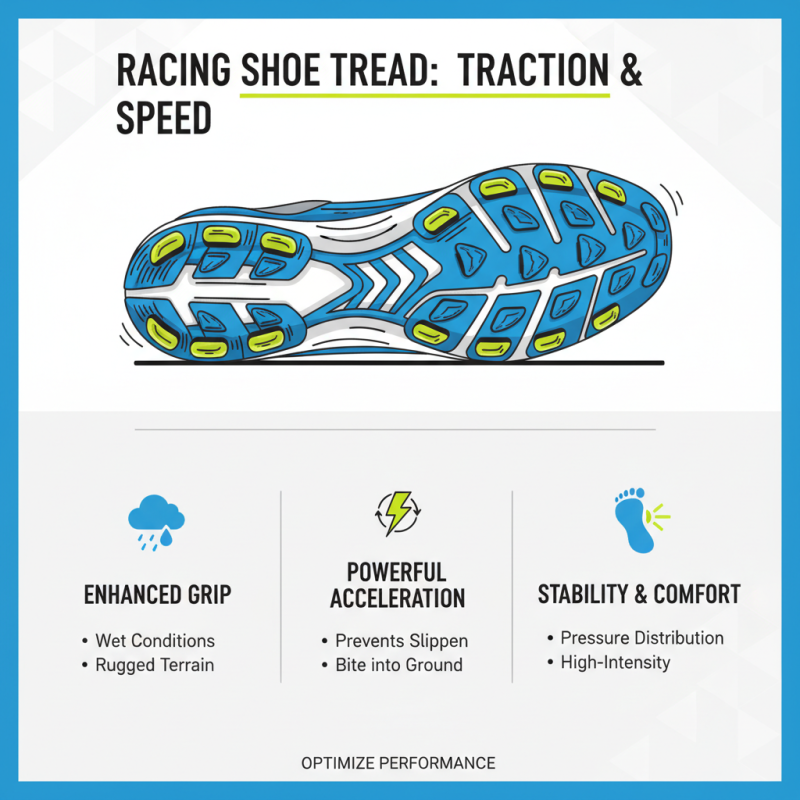
When it comes to racing shoes, the tread pattern is a critical component that can enhance both traction and speed. A well-designed tread can significantly influence a runner's performance by providing the grip needed to maintain control on various surfaces. Whether navigating through wet conditions or tackling a rugged terrain, the right tread pattern ensures that the shoe can bite into the ground, preventing slippage and allowing for powerful acceleration. The strategic placement of lugs and grooves can help in distributing pressure evenly, thereby improving stability and comfort during high-intensity racing.
Additionally, tread patterns are integral in optimizing speed. A shoe with a flatter, more streamlined tread can reduce drag, enabling faster transitions from foot to ground. This is particularly beneficial on smooth, flat surfaces where maximum efficiency is required. In contrast, a more aggressive tread with deeper lugs may be beneficial for off-road racing, allowing the runner to gain a foothold in uneven terrain without sacrificing speed. Ultimately, understanding the role of tread patterns in racing shoes can be pivotal for athletes seeking to enhance their competitive edge, as the right choice directly influences both performance and safety during races.
Industry Recommendations: Leading Brands and Models for Competitors
When it comes to selecting the best racing shoes for optimal performance, industry experts emphasize the importance of finding the right balance between lightweight construction and cushioning. A recent report from the Journal of Sports Sciences highlights that shoes weighing less than 200 grams can enhance speed, as they reduce the energy required for each step. Athletes competing in long-distance events particularly benefit from this feature, as lighter shoes contribute to improved race times without sacrificing comfort.
Leading experts in the field recommend models that incorporate advanced materials, such as carbon fiber plates and responsive foam cushioning. According to a study published by the International Journal of Sports Physiology and Performance, racers using shoes with carbon plate technology can experience a performance boost of up to 4% compared to traditional racing shoes. This is attributed to the shoe's ability to better return energy during the push-off phase of running, enabling competitors to maintain higher speeds more efficiently.
Additionally, fit and traction are crucial elements that cannot be overlooked. A report by RunRepeat indicates that over 80% of runners prioritize proper fit when choosing racing shoes, emphasizing the need for personalized sizing and support. Shoes with superior traction allow for stronger grip on various surfaces, which can significantly impact performance, especially in races that include variable terrain. Thus, selecting the right racing shoe entails a comprehensive understanding of individual needs and preferences, backed by solid industry insights.
What is the Best Type of Racing Shoes for Optimal Performance
| Shoe Type |
Weight (g) |
Heel Drop (mm) |
Recommended Surface |
Price Range ($) |
| Lightweight Racing Flats |
200 |
4 |
Track |
100 - 150 |
| Neutral Race Shoes |
250 |
8 |
Road |
80 - 130 |
| Stability Shoes |
280 |
6 |
Road |
90 - 140 |
| Trail Racing Shoes |
300 |
10 |
Trail |
100 - 160 |
| Distance Racing Shoes |
240 |
5 |
Road/Track |
90 - 150 |