Best Running Shoes for Every Type of Runner in 2025?
Finding the right running shoes can feel overwhelming. The market is flooded with options that claim to suit every runner's needs. In 2025, this challenge continues. Runners are unique, and their shoe preferences vary widely. From beginners hitting the track to seasoned marathoners, each runner seeks the perfect fit and support.
The right pair of running shoes can enhance performance and prevent injuries. However, with so many features to consider, it's easy to get lost in the details. Cushioning, stability, and breathability are crucial factors. Yet, too much focus on technology can overlook personal comfort. Sometimes, what feels good in the store doesn’t translate to the pavement.
Choosing running shoes also involves a bit of self-discovery. Understanding your running style is essential, but many overlook this. Some runners may experience knee pain or blisters and dismiss these issues too quickly. It’s vital to reflect on these experiences when selecting shoes. Make an informed decision, because the right shoes matter more than you think.

Overview of the Different Types of Runners
When considering running styles, understanding the various types of runners is essential. Research from the Sports Science Institute indicates that around 50% of runners fall into the category of recreational joggers.
These runners often prioritize comfort and stability over performance. They usually favor shoes with cushioning for long distances, aiming to minimize impact on joints.
Competitive runners, constituting roughly 25% of the running community, seek lightweight and responsive footwear. The focus for this group is agility and speed, often sacrificing comfort for performance.
However, there's a fine line between optimal performance and injury risk. A 2020 study found that 70% of competitive runners experience injuries, mainly due to inadequate shoe choices.
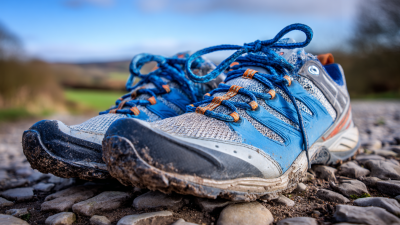
Trail runners, making up about 15%, require shoes designed for off-road conditions. They need enhanced grip and durability. Often, these shoes must balance protection and flexibility.
Interestingly, many trail runners inadvertently choose shoes that don't suit their needs. This reflects how crucial it is for all runner types to find the right fit, as poor choices often lead to frustration and injury.
Key Features to Consider When Choosing Running Shoes
Choosing the right running shoes is essential for any runner.
Comfort is key.
A good fit can prevent blisters and soreness. Ensure your shoes allow adequate toe space. Your feet should not feel cramped.
Cushioning is another important aspect to consider. Different runners prefer varying levels of cushioning.
Some like a soft feel, while others prefer a firmer ride. Test both types to see what suits you best.
Additionally, consider the shoe's weight. Lighter shoes can enhance speed, but they may provide less support.
Lastly, don’t forget about traction. The outsole material affects grip on different surfaces.
Shoes for road running should have a smooth bottom. Trail runners need more aggressive treads for stability.
Reflect on your running environment. It will guide your shoe choice.
The options are vast, and making the right decision can be challenging.
Top Recommendations for Casual Runners in 2025
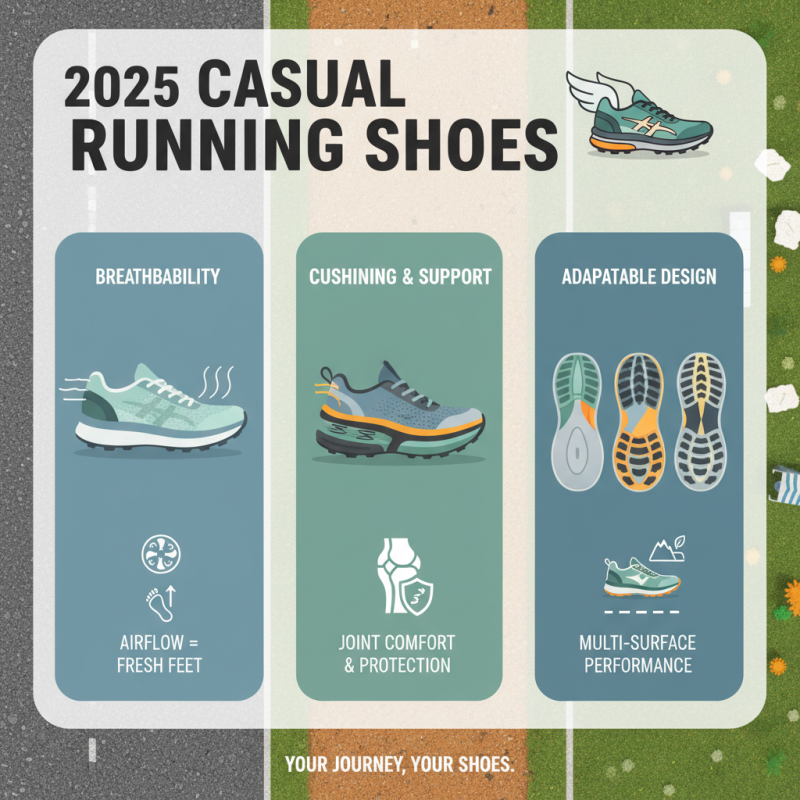
Finding the right running shoes can feel overwhelming. Casual runners often seek comfort and support for their journey. In 2025, breathable materials are key. Shoes that allow airflow help keep feet fresh during those longer runs. Comfort padding underfoot minimizes strain on the joints. Think about days spent running on different surfaces.
Casual runners need shoes that can handle variety. Trails, pavements, and parks each require different support. A versatile shoe with decent traction can make a big difference. Lightweight options can enhance speed, but too little cushioning may lead to discomfort.
Choosing the right fit is also essential. Many runners wear shoes that are either too tight or too loose. Proper sizing ensures that feet do not slide inside the shoes. This can prevent blisters and enhance overall enjoyment during runs. Consider making adjustments based on your personal experiences. Running should be about feeling good, not just chasing a faster pace.
Best Running Shoes for Competitive Runners in 2025
For competitive runners in 2025, finding the right shoes is crucial. Performance matters. The right pair can make a significant difference in speed and comfort. Look for lightweight materials that enhance responsiveness. A snug fit is essential to prevent any slipping during a race.
Consider shoes with a well-cushioned sole. It helps absorb shock, offering comfort on long runs. Breathability is also vital. Runners can face various conditions, and moisture management is key. Some shoes might lack these features, creating discomfort. Reflect on your needs and preferences while running.
Heel drop plays an important role, too. A lower drop can promote a more natural stride. However, it may not suit every runner's style. Test different options to understand what works best for you. Your ideal shoes should feel like an extension of your feet, supporting your stride effectively.
Best Running Shoes for Competitive Runners in 2025
| Shoe Model |
Weight (oz) |
Drop (mm) |
Cushioning Type |
Best For |
| Model A |
9.0 |
10 |
Max |
Road Racing |
| Model B |
8.5 |
8 |
Responsive |
Training |
| Model C |
7.8 |
12 |
Plush |
Long Runs |
| Model D |
9.5 |
6 |
Balanced |
Speed Work |
| Model E |
8.0 |
4 |
Minimal |
Racing |
Ideal Options for Trail Runners and Off-Road Conditions
When it comes to trail running, choosing the right footwear is crucial. Off-road conditions demand shoes designed for grip, stability, and protection. According to recent industry reports, trail running shoes have evolved significantly, catering to diverse terrains. The market for running shoes saw a 12% increase in 2023, with trail shoes making notable gains. This growth highlights the increasing interest in off-road running.
Proper cushioning is essential for trail runners. Many shoes now feature enhanced foam technology, providing comfort for long distances. A good example of this is the midsole design that absorbs shock effectively. Additionally, traction patterns on the outsoles have become more aggressive, ensuring better grip on uneven surfaces. For optimal performance, consider selecting shoes that fit snugly but not too tightly.
Tips: Check the lug depth on the outsole. A deeper lug is helpful for muddy paths. Ensure that the shoes have a protective toe cap to shield against rocks. Keep in mind that not every shoe suits every runner. Evaluate your running style and terrain to find the best match.