What is the Best Type of Sport Shoes for Comfort and Performance?
Choosing the right sport shoes is crucial for any athlete or fitness enthusiast. Comfort and performance are often intertwined when selecting footgear. Sport shoes come in various styles and features. Each is designed to cater to different activities. Runners may prefer shoes with cushioning for impact absorption. In contrast, basketball players often need ankle support and traction.
Many brands claim to offer the best sport shoes. Yet, what suits one person may not suit another. Personal preference, foot shape, and intended activity all play significant roles. Some shoes might feel comfortable initially but cause discomfort after prolonged use. That’s a point of reflection for many buyers.
Understanding the features of sport shoes can help you make informed choices. Look for breathable materials, adequate support, and precise fit. The right choice can enhance performance while preventing injuries. However, remember that comfort is subjective. It’s essential to test shoes thoroughly before investing. Your perfect pair of sport shoes might be waiting just around the corner.
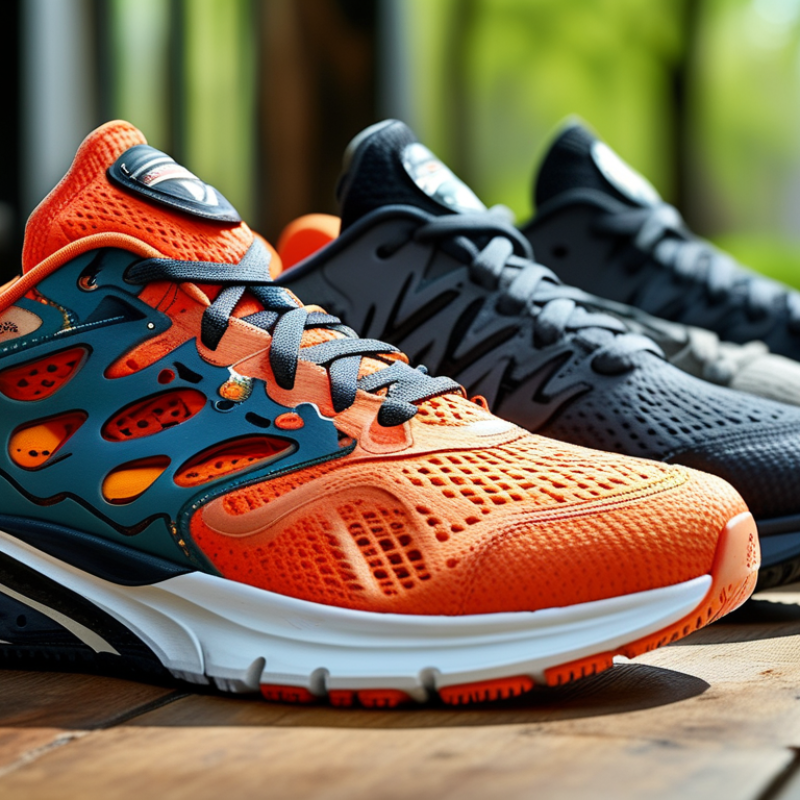
Types of Sport Shoes and Their Primary Uses
Selecting the right type of sport shoes can significantly impact comfort and performance. Different sports require specific designs and features to enhance athletic abilities. For example, running shoes typically have lightweight materials that allow for swift movements. They often include cushioning to absorb impact during runs.
Basketball shoes provide ankle support and traction for quick lateral movements. Their design focuses on stability while enabling explosive jumps. Cross-training shoes blend elements from various types, making them versatile for multiple activities. They offer balance, support, and durability, suitable for gym workouts or outdoor activities.
Many athletes overlook the importance of fit. Shoes that are too tight or loose can affect performance and cause injuries. It’s essential to try on different styles and sizes. Consider the terrain and type of activities before purchasing. Each sport demands unique features. This makes researching and focusing on personal needs crucial for making the right choice.
Key Features to Look for in Comfortable Sport Shoes
When choosing sport shoes for comfort and performance, there are key features to consider. Look for cushioning that adapts to the shape of your foot. This improves shock absorption and reduces the risk of injury. Proper arch support is also crucial. It aligns your body and minimizes fatigue during workouts.
Breathability is another important factor. Shoes made from moisture-wicking materials keep your feet dry. This reduces discomfort and blisters during long sessions. A flexible sole allows for natural foot movement, enhancing overall comfort. Look for shoes that promote a rounded toe box. This can prevent pinching and allow your toes to spread naturally.
While finding the right pair is essential, it’s common to overlook sizing. Many people wear shoes that are too tight or too loose. This can negatively affect performance and cause pain. It’s essential to try on different styles and sizes. Take the time to walk around and assess comfort levels. Your ideal shoe might need adjustments or a break-in period. Comfort is personal and can vary from person to person.
Materials Impacting Comfort and Performance in Sport Shoes
The materials used in sport shoes play a critical role in shaping both comfort and performance. Innovative fabrics can significantly enhance shock absorption and flexibility. A recent industry report indicated that shoes made from engineered mesh have increased breathability by 30%. This material allows for better air circulation, keeping feet cooler during activities. However, over time, the durability of these lighter materials can become questionable, leading to significant wear in a short period.
Another key aspect is cushioning. Ethylene vinyl acetate (EVA) is often favored for its lightweight properties and cushioning performance. Studies suggest that EVA can reduce impact forces by up to 47%. Yet, some users report that such cushioning may not provide adequate support for heavy-duty activities. It's crucial to balance comfort with stability, especially for runners who need extra ankle support. Some research points to a growing trend in hybrid materials, combining different elements to enhance both comfort and durability. Reflecting on these details helps consumers make informed decisions when selecting sport shoes.
How to Choose the Right Fit for Maximum Comfort
Choosing the right fit for sports shoes is crucial for comfort and performance. A proper fit reduces the risk of injury and enhances overall efficiency. Measure your feet at the end of the day. This is when your feet are slightly swollen, helping you find the best size.
Consider the shape of your foot. Some people have wide feet, while others may have narrow ones. Trying on shoes can help identify which shape suits you best. Pay attention to the toe box. Your toes should have room to wiggle without being cramped.
In addition, reflect on how you will use the shoes. Will you run long distances or play sports? Select footwear that is designed for those activities. Test the shoes out in the store. Walk or jog to see how they feel. Sometimes, even a seemingly perfect shoe can cause discomfort after extended wear. Consider this as part of your decision-making process.
Tips for Maintaining Sport Shoes for Longevity and Performance
To ensure your sport shoes last longer and perform at their best, regular maintenance is essential. Studies show that properly caring for shoes can extend their lifespan by up to 50%. Cleaning your shoes after each use is a simple yet effective habit. Remove dirt and debris gently with a soft brush. This prevents wear and tear on the fabric and sole. Experts recommend air-drying shoes instead of using heat, which can warp the materials.
Another important aspect is storage. Keeping shoes in a cool, dry place can prevent mildew and odor. According to a survey by an athletic footwear research group, poorly stored shoes are 40% more likely to develop structural issues over time. Rotate your shoes if you have multiple pairs. This allows each pair to rest and recover, maintaining their cushioning and shape. Not all shoes are made equal, so be aware of how different materials react to stress and care.
Finally, pay attention to the soles. A worn-out sole can impede performance. Inspect them for tread wear regularly. If you notice significant wear, it may be time to replace your shoes. Investing time in maintenance can lead to better performance and prolonged comfort, ultimately keeping your feet happy and healthy during sports activities.
What is the Best Type of Sport Shoes for Comfort and Performance?
| Shoe Type |
Comfort Rating |
Performance Rating |
Ideal Use |
Maintenance Tips |
| Running Shoes |
9/10 |
8/10 |
Road Running |
Clean after use, replace insoles regularly |
| Trail Shoes |
8/10 |
9/10 |
Off-road Running |
Dry thoroughly after mud run, avoid overuse |
| Basketball Shoes |
9/10 |
8/10 |
Indoor/Outdoor Basketball |
Wipe down after play, rotate pairs |
| Training Shoes |
8/10 |
7/10 |
Multi-purpose Training |
Store in a cool place, avoid harsh chemicals |
| Walking Shoes |
9/10 |
7/10 |
Leisure and Fitness Walking |
Regularly check for wear, use appropriate socks |