Shose expert

17 Years Manufacturing Experience
je

China Top 10 Racing Shoes Manufacturers for Global Buyers

China remains a major sourcing base for global footwear buyers, but scale alone does not guarantee a reliable racing shoe. The 2024 World Footwear Yearbook, published by APICCAPS, estimates that global footwear production reached about 22.4 billion pairs in 2023. Asia accounted for roughly 88% of that output. These figures cover footwear overall, not racing shoes specifically. That distinction matters when comparing factories.

For buyers, a racing shoe is a collection of measurable choices: midsole foam, outsole rubber, upper construction, fit consistency, and production tolerances. A sample may feel fast on a clean showroom floor, yet perform differently after repeated road sessions. Small details matter. A heel counter that slips or an outsole that wears unevenly can undermine an otherwise promising design. This guide to China’s top 10 racing shoes manufacturers is intended as a practical starting point, not a blanket endorsement or independently verified ranking. Factory capabilities, testing access, minimum order quantities, and communication standards should be checked directly before placing an order.

Industry data can show where manufacturing is concentrated. It cannot confirm whether a supplier’s current materials match a buyer’s specification. That part takes careful verification. We may miss changes in factory capacity, too, because supplier conditions shift. Treat each profile as a lead to investigate, and request recent samples, written specifications, and relevant test documentation before making a sourcing decision.
China Top 10 Racing Shoes Manufacturers for Global Buyers

Understanding China’s Racing Shoe Manufacturing Industry

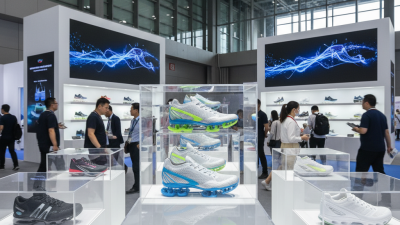
China’s racing shoe manufacturing industry brings together material suppliers, pattern makers, mold workshops, and assembly lines. Many factories can develop designs from buyer specifications, while others focus on stitching, lasting, or sole production. This network can shorten communication between development teams and production, but capabilities vary widely. A modern-looking showroom is not proof of strong process control.

Racing shoes demand careful coordination. A lightweight upper must still hold the foot securely, and the midsole needs consistent cushioning across sizes. Buyers can ask how factories control foam density, outsole bonding, and finished-shoe weight. Details matter. Request samples in multiple sizes, inspect seams and glue lines, and compare repeated pairs for visible differences. A polished sample can still hide production variation.

Factory evaluation should include development records, quality checks, and clear communication about materials and lead times. Ask for test methods relevant to intended use, then confirm results with an independent laboratory when performance is critical. Review a pre-production sample before approving bulk output. Not always easy. Cost pressure may encourage compromises, and a lower quote deserves careful questions. A useful supplier relationship depends on evidence, realistic specifications, and steady follow-up—not promises alone.

How Racing Shoe Manufacturers Are Evaluated

For global buyers, a manufacturer’s claims matter less than the evidence behind them. Evaluation should begin with product engineering: outsole grip, midsole resilience, upper breathability, and secure heel hold. Ask for material specifications, sample records, and test methods, not just polished photos. Then inspect a physical sample. Check seam consistency, adhesive spread, lace pressure, and whether the shoe flexes smoothly by hand. Small details count. A racing shoe may feel fast on a showroom floor but become unstable after repeated hard turns. Request wear-test feedback from runners with different foot shapes and training habits. Record test conditions, including distance, surface, and temperature. One test rarely tells the whole story.

Factory capability deserves equal scrutiny. Review quality-control checkpoints, defect handling, production lead times, and the supplier’s ability to maintain consistent materials across batches. Ask how changes are approved when a foam or fabric supply shifts. Clear answers help; vague promises do not. Confirm that capacity claims align with sample timelines and available order records. Communication matters too. A responsive technical team can explain trade-offs between weight, durability, and cushioning without treating every request as easy. Still, scorecards can create false certainty. A neat spreadsheet cannot replace runner feedback or repeat inspection. Compare evidence, note unanswered questions, and leave room for judgment.

Profiles of 10 Chinese Racing Shoe Manufacturers

A comparison of ten Chinese racing shoe manufacturers should look beyond factory size. One profile may focus on track spikes, with replaceable pins and firm heel counters. Another may specialize in carbon-plated road shoes, where plate stiffness and foam response need careful testing. A knit-upper producer can offer low weight and close fit. These are different capabilities, not interchangeable claims.

Other profiles may center on trail-racing grip, small-batch prototypes, or high-volume assembly. Some suppliers handle pattern development and sample revisions in-house; others work mainly from buyer specifications. A materials-focused factory may document foam density, outsole rubber, and upper composition. An export-oriented manufacturer may be experienced with packaging and shipment coordination. Details matter. Ask for recent samples, construction specifications, and production references before comparing quotations.

The tenth profile might combine design support with manufacturing, but “full service” can mean different things. This distinction can be blurry. A useful review checks sample consistency, stitching around the toe, outsole bonding, and sizing across several pairs. Request test records where available, and confirm how defects are handled. Factory visits or independent inspections can add context, though they do not guarantee performance. A racing shoe still needs real wear testing; paperwork alone cannot tell you how it feels at speed.

Racing Shoe Technologies and Production Capabilities

For global buyers, racing shoe technology is more than a carbon plate or lightweight upper. Reliable manufacturers connect design choices with repeatable production. Ask how the factory controls plate placement, midsole density, and outsole bonding. Small changes can affect stability and energy return. A sample should feel consistent across sizes, not just look fast on a table.

Upper construction matters, too. Engineered mesh can reduce weight, while reinforced eyelets and a secure heel help limit movement during hard efforts. Factories may use digital pattern cutting, compression molding, and wear testing to improve consistency. Still, laboratory results do not guarantee comfort for every runner. That part is easy to overlook. Request wear-test feedback, material specifications, and inspection records before approving bulk production. Check that sample and production materials match.

Tips: Compare several sizes, not one sample. Ask for outsole-flex and bonding checks, and confirm the stated production capacity with a realistic order schedule. A rushed prototype can hide problems. Keep room for revision.

Racing Shoe Technologies and Production Capabilities

World Athletics maximum permitted sole thickness by racing discipline

Road racing shoes may have a maximum sole thickness of 40 mm, while track racing shoes are limited to 20 mm under World Athletics shoe regulations. These limits are key design constraints for cushioning, midsole geometry, and race-shoe production.

How Global Buyers Can Assess Potential Manufacturers

When assessing a racing shoe manufacturer, look beyond a polished product catalog. Ask how the factory controls upper stitching, outsole bonding, and sizing across production runs. Request samples in several sizes, not just one carefully finished pair. Check the weight, flex, and fit, then compare each sample against your written specifications.

A useful supplier should explain its development process in clear steps. Ask who approves material changes, how defects are recorded, and what happens when a batch falls outside agreed tolerances. Review sample records and production timelines, and confirm that the quoted capacity matches the equipment and staffing available. Numbers matter. A confident sales reply is not evidence by itself. Buyers can also request a small pilot order before committing to larger volumes.

Look closely at communication during a technical discussion. Can the team explain why a heel counter feels loose, or suggest a testable adjustment? Ask for relevant quality documents and verify that they describe the actual facility and product. Small details count. One excellent sample may be the best pair in the room, not a reliable picture of routine output. That distinction is easy to miss. Keep a dated record of decisions, approved materials, and fit feedback, even when the process feels repetitive.

China Top 10 Racing Shoes Manufacturers for Global Buyers - How Global Buyers Can Assess Potential Manufacturers

Use these ten assessment dimensions to compare prospective suppliers. This is a buyer evaluation framework, not a ranking of named companies or a claim about any individual factory.

No. Assessment Dimension What to Evaluate Evidence to Request Potential Warning Signs
1 Relevant Product Experience Experience making performance footwear with comparable construction, materials, and intended use. Check whether the supplier can explain the design and production requirements of racing shoes. Examples of comparable products, production process descriptions, and references that can be independently verified, subject to confidentiality agreements. Only generic footwear examples, unclear production responsibilities, or unsupported claims about specialist experience.
2 Product Development Ability to support design review, pattern development, sample iterations, fit adjustments, and transfer of an approved design into production. Development workflow, sample approval records, revision tracking, and a clear explanation of tooling ownership and storage terms. No documented approval process, repeated specification misunderstandings, or unclear ownership of custom tooling and design files.
3 Materials and Component Sourcing Control of upper materials, linings, reinforcements, adhesives, midsoles, outsoles, and other components specified for the product. Material specifications, supplier traceability where available, incoming inspection procedures, and records for approved material substitutions. Unapproved substitutions, inconsistent material descriptions, or inability to trace key components to their source.
4 Performance Testing Whether testing matches the buyer’s product specification, intended use, and destination-market requirements. Agree on test methods and pass criteria before production. Relevant test reports, sample identification, test dates, methods used, and documented corrective actions for failures. Reports that do not identify the tested sample, results that cannot be linked to the production specification, or reliance on vague assurances instead of agreed criteria.
5 Quality Management Inspection controls throughout incoming materials, in-process production, and finished-goods release. Confirm how defects are recorded and corrected. Quality procedures, inspection records, defect classifications, corrective-action examples, and any current management-system certificates relevant to the facility. No traceable inspection records, undefined acceptance criteria, or recurring issues without documented corrective action.
6 Production Capability Whether available equipment, workforce, and production processes suit the agreed construction and order volume. Verify capacity against current commitments. Facility information, production-flow description, capacity assumptions by style and period, and a site audit or qualified third-party assessment. Capacity figures with no supporting explanation, major processes outsourced without disclosure, or reluctance to clarify the actual production location.
7 Minimum Order and Lead Time Commercial fit of minimum order quantities, sample timing, production lead time, and reorder terms. Confirm how lead times change when materials or tooling are not ready. Written quotation, milestone schedule, assumptions behind quoted lead times, and agreed terms for samples, deposits, and repeat orders. Unqualified delivery promises, unclear charges, or timelines that omit development, material procurement, or approval stages.
8 Compliance and Responsible Sourcing Ability to meet the buyer’s applicable product, chemical, workplace, and environmental requirements. Requirements depend on the destination market and buyer policy. Relevant audit or assessment reports, material declarations, chemical test records where applicable, and a process for maintaining compliance documentation. Expired or unverifiable documents, certificates presented as proof of unrelated requirements, or refusal to disclose subcontracting practices.
9 Communication and Documentation Responsiveness, clarity, and consistency in handling specifications, approvals, production changes, and quality issues. A named project contact, written meeting and approval records, version-controlled specifications, and a clear escalation process. Conflicting answers, undocumented changes, or inability to identify who is responsible for project decisions.
10 Export and Delivery Readiness Experience coordinating export documentation, packaging requirements, shipment planning, and delivery terms relevant to the buyer’s market. Sample shipping documents with confidential details removed, packaging specifications, agreed Incoterms, and a documented process for shipment checks. Unclear responsibility for freight or export documents, inconsistent carton information, or shipment plans that do not match the purchase agreement.