How to Choose the Best Running Shoes for Your Needs?
Choosing the right running shoes is crucial for every runner. According to recent reports, over 60% of runners experience injuries due to improper footwear. Selecting suitable running shoes can enhance performance and minimize injury risk.
Many factors influence the best choice. Your running style, foot shape, and terrain play significant roles. Studies show that 80% of runners are unaware of their foot type. This lack of knowledge can lead to poor decisions. Shoes designed for a neutral foot may not suit someone with high arches.
Aiming for the perfect fit is essential. Understanding your needs is part of the process. However, finding the ideal running shoes may take time and experimentation. Don't rush; listening to your body can guide you. A good pair of shoes should feel comfortable and supportive.
Understanding Your Running Style and Needs
Understanding your running style and needs is crucial when selecting the right shoes. Each runner has unique biomechanics that influence their gait and foot strike. Observing how you run can reveal important details. Do you hit the ground with your heel or your forefoot? This pattern can dictate the type of cushioning and support you require.
In addition to your running style, consider your typical running terrain. Different surfaces—trail, road, or track—demand various shoe features. Trail shoes often offer more grip and protection. Meanwhile, road shoes are built for speed and comfort. Pay close attention to your comfort level with different types of shoes. A pair might feel great during a short test but cause discomfort after a long run.
Don't overlook your foot shape and size. Everyone's feet are different; narrow, wide, or flat feet need specialized shoes. Consulting with a professional at a specialty running store can offer valuable insights. You may find that what worked for you last year isn’t suitable anymore. Regularly reflecting on your running habits and shoe performance is essential for making informed choices.
Assessing Different Types of Running Shoes
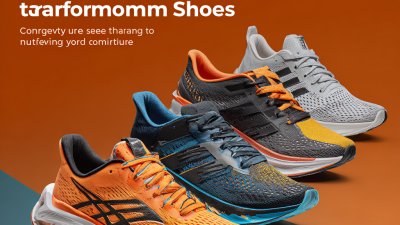
When selecting running shoes, understanding the different types available is crucial. There are three main categories:
road shoes, trail shoes, and stability shoes. Road shoes are designed for pavement running, often featuring lightweight
cushioning. They help absorb impact and provide a smooth ride. According to a report from the American Council on
Exercise, runners using the right road shoes can reduce their risk of injury by nearly 30%.
Trail shoes offer a more rugged setup. They typically have deeper treads for better traction on uneven terrains. A
study published in the Journal of Sports Medicine highlights that using the appropriate footwear when trail running
can significantly enhance performance while minimizing slips and falls. Many runners overlook the importance of
traction, but its role cannot be understated.
Stability shoes cater to those with flat feet or overpronation. The right shoes in this category can help in
aligning the body and distributing pressure evenly. Research from the Journal of Foot and Ankle Research indicates
that wearing stability shoes can reduce excess strain on the knees, helping prevent long-term injuries. Each shoe
type serves a specific purpose, underscoring the need for personalized assessment before making a choice. Consider
your running style, habits, and environmental conditions for optimal performance.
Evaluating Shoe Features: Cushioning, Arch Support, and Fit
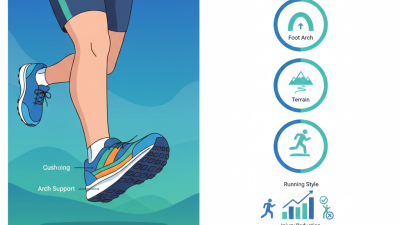
When selecting running shoes, focus on cushioning, arch support, and fit to meet your unique needs. Cushioning affects comfort and can reduce impact on your joints. A well-cushioned shoe absorbs shock, which is essential for long runs. However, too much cushioning may lead to instability. Balancing comfort and support is crucial.
Arch support is another key feature. Every runner has a different arch type: high, neutral, or flat. Understanding your arch type can help you choose the right shoe. Proper support can prevent injuries and enhance performance. Insufficient arch support might lead to discomfort or overuse injuries. Reflect on your experiences with different styles.
Fit plays a vital role in your running experience. A good fit should feel secure but not tight. There should be a thumb's width of space between your longest toe and the shoe. This allows for toe splay during runs. Shoes that are too tight can cause blisters or calluses. Always try them on with the socks you usually wear while running. Rethink your previous choices and prioritize your comfort.
Considering Terrain and Weather Conditions in Your Choice
Choosing the right running shoes requires careful thought about terrain and weather conditions. Different surfaces affect your running style. For instance, trail running shoes provide better grip and support on uneven ground. Road running shoes are lighter and more flexible, suitable for paved paths. Reflecting on this can help narrow your choices.
Weather matters too. Wet conditions call for shoes with good traction. Look for options designed with waterproof materials. In colder climates, consider shoes that offer insulation. During summer, breathability becomes crucial to prevent overheating. Understanding the climate you frequently run in can guide your selection.
Sometimes, you might find the perfect shoe doesn't meet all your needs. Shoes that excel in one condition may underperform in another. This is a common dilemma among runners. Reflecting on your running routine will help identify what features matter most. Balancing these aspects can lead to better choices in the long run.
How to Choose the Best Running Shoes for Your Needs? - Considering Terrain and Weather Conditions in Your Choice
| Type of Terrain |
Recommended Shoe Features |
Weather Conditions |
Ideal Shoe Material |
| Road |
Lightweight, cushioned |
Dry to moderately wet |
Mesh upper, EVA midsole |
| Trail |
Rugged, supportive |
Wet, muddy, variable |
Waterproof membrane, thicker outsole |
| Track |
Plush cushioning, stability |
Dry |
Synthetic upper, firm outsole |
| Mixed Terrain |
Versatile, moderate grip |
Variable |
Breathable, durable material |
| Snow/Ice |
Insulated, slip-resistant |
Cold, snowy |
Leather, specialized grip outsole |
Trying on and Testing Shoes for Comfort and Performance
When trying on running shoes, focus on comfort. The fit should feel snug, but not tight. Studies indicate that nearly 70% of runners experience foot problems due to improper footwear. Therefore, it's crucial to spend time trying different styles. Walk or jog around the store to gauge the shoe’s response.
Pay attention to the cushioning and support. According to a report by the American Academy of Podiatric Sports Medicine, adequate cushioning can reduce the risk of injury during running. Look for shoes that provide adequate arch support tailored to your foot type. A good fit may vary depending on factors like foot shape, running style, and distance.
Don’t shy away from seeking expert advice. Specialists can guide you in understanding how different shoes impact performance. Also, consider the surface you run on regularly. Running on trails versus pavement may require different shoe features. Reflect on what feels right—not every shoe branded as "the best" will suit your needs. Prioritize what works for you personally, even if that means walking away from current trends.