How to Choose the Best Casual Trainers for Global Buyers?
Choosing the right casual trainers is essential for comfort and style. The global sneaker market is expected to reach $120 billion by 2026, indicating a strong demand for casual footwear. In recent years, many buyers have focused not only on aesthetics but also on sustainability and performance. According to a report by Statista, 50% of consumers consider eco-friendly materials when purchasing trainers.
Casual trainers have evolved significantly, with innovations in technology and design. Brands are competing fiercely, creating a wide range of options. Yet, the sheer variety can be overwhelming for consumers. It's crucial to prioritize your needs—whether it's style, comfort, or functionality.
Reflecting on what works for you can lead to better choices. Understanding the differences in cushioning, fit, and durability can enhance your shopping experience. Many buyers often overlook these elements, focusing solely on trends. Informative resources are available to help navigate this market effectively. The right casual trainers should not only look good but also meet your personal requirements and lifestyle needs.
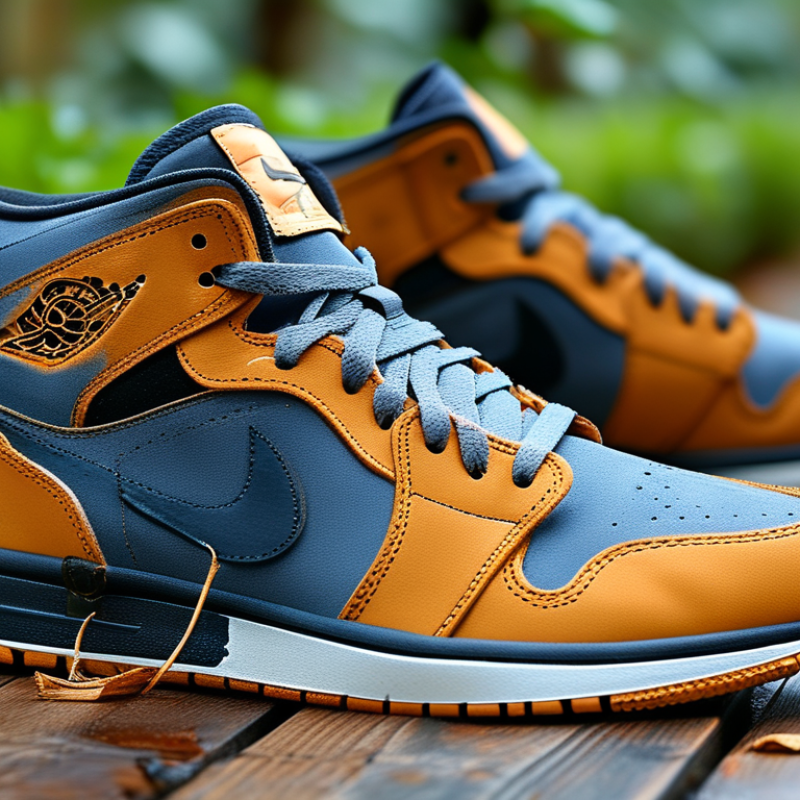
Understanding the Importance of Comfort in Casual Trainers
When it comes to casual trainers, comfort should be your top priority. Comfort affects your overall experience, whether you're walking, running, or simply lounging. A poorly fitting shoe can lead to blisters or foot pain. It's essential to choose trainers that embrace your feet gently, allowing for natural movement.
The material used in casual trainers plays a vital role in comfort. Breathable fabrics can keep your feet cool and dry. Look for cushioning that supports your arch and heel. This support helps reduce fatigue during long wear. Pay attention to the shoe's weight. A lighter shoe often feels more comfortable over time.
However, comfort is subjective. What feels great for one person may not work for another. Some might prefer more snug fits, while others like roomier styles. Reflect on your needs when trying on new trainers. Don’t hesitate to spend time breaking them in. Your choice should feel natural and easy. A trainer that’s too tight or loose can detract from your daily activities.
Evaluating Different Materials Used in Casual Trainers
When evaluating materials for casual trainers, consider breathability, durability, and style. Common materials include mesh, leather, and synthetic fabrics. Each option offers unique benefits.
Mesh is lightweight and provides excellent ventilation. It's ideal for warm climates. However, mesh may wear out faster than other materials. Leather trainers are sturdy and stylish, suitable for various occasions. Still, they can be less breathable, causing discomfort in hot weather. Synthetic materials are often water-resistant, providing versatility. Keep in mind, though, they can lack the comfort of natural fabrics.
**Tip:** Always check the material specifications before purchasing. Understanding the different types can help in making an informed choice. Look for reviews that highlight long-term use experiences. These insights can guide you toward suitable options.
Not all materials will meet your needs perfectly. Take time to test various styles and fits. Your comfort level is essential. Remember, a trainer's lifespan is often linked to the quality of materials used. Embrace the learning process when selecting the perfect casual trainer. Each choice teaches you more about your preferences.
How to Choose the Best Casual Trainers for Global Buyers? - Evaluating Different Materials Used in Casual Trainers
| Material |
Breathability |
Durability |
Weight |
Comfort Level |
| Mesh |
High |
Medium |
Light |
High |
| Leather |
Low |
High |
Medium |
Medium |
| Synthetic |
Medium |
Medium |
Light |
High |
| Canvas |
High |
Low |
Light |
Medium |
| Rubber |
Low |
High |
Heavy |
Medium |
Determining the Right Fit and Size for Your Casual Trainers
Finding the right fit for casual trainers is crucial for comfort and performance. Start by measuring your feet regularly. Feet change in size over time, influenced by various factors. Use a ruler or measuring tape to get an accurate size. Remember to measure both feet. It’s common for one foot to be slightly larger than the other.
Once you have your measurements, check sizing charts provided by manufacturers. Different brands can have varying sizing systems. Try on trainers at the end of the day when your feet are at their largest. Walk around to test for any discomfort. Look for a snug fit without pinching. A slight wiggle room for your toes is ideal.
If buying online, read customer reviews for insights. Reviews can reveal how true to size a product is and if it fits as expected. Consider return policies before purchasing. Sometimes, even the most reputable brands may not fit right. Don’t hesitate to try a few options until you find that perfect pair. It’s a personal journey worth taking.
Casual Trainers Size Distribution Among Global Buyers
Exploring Popular Casual Trainer Styles and Their Features
When selecting casual trainers, exploring styles and their features is vital. Popular styles include sneakers, slip-ons, and high-tops. Each type serves a unique purpose and design aesthetic. According to the Footwear Distributors and Retailers of America, sneakers account for over 62% of casual shoe sales in the U.S. This significant number reflects their popularity and versatility.
Different materials affect comfort and durability. For example, breathable mesh contributes to better airflow. In contrast, leather offers more durability but can be less breathable. A recent study by Market Research Future indicated that lightweight materials are a key focus, as they enhance comfort. Consumers often overlook cushioning technology, which is essential for long-term use, as inadequate support can lead to discomfort.
Design trends are shifting toward sustainable materials. Many buyers now prefer eco-friendly options in footwear. A prominent report by Allied Market Research suggested that the demand for sustainable shoes could rise by 45% in three years. Despite this awareness, consumers often hesitate to switch due to price or availability. Reflecting on personal preferences can help buyers make informed choices aligned with their values.
Assessing Brand Reputation and Customer Reviews for Best Choices
When evaluating casual trainers, brand reputation plays a crucial role. Recent surveys reveal that 70% of consumers trust brands with a strong reputation. This trust often stems from positive customer reviews. Brands that actively engage with customers build a sense of loyalty. However, some brands may appear reputable but have hidden issues. Investigate customer feedback to uncover discrepancies.
Customer reviews offer invaluable insights. According to industry reports, 85% of buyers consider online reviews before making a purchase. This statistic highlights the need for potential buyers to scrutinize feedback. Often, reviews reveal specifics about comfort, durability, and style. A standout pair might be praised for long-lasting materials but criticized for sizing inconsistencies. Knowing these details helps inform choices and minimize disappointment.
It’s vital to balance both brand reputation and customer feedback. A well-reviewed brand may have flaws that aren’t immediately apparent. Conversely, lesser-known brands might surprise consumers with quality. An informed buyer examines reviews closely, often cross-referencing multiple sources. This research pays dividends in finding the perfect pair of trainers that suit their needs best.