Shose expert

17 Years Manufacturing Experience
je

How to Choose the Best Running Shoes for Long Distance?

Choosing the right running shoes for long distances is crucial for any runner. According to Dr. Emily Chen, a renowned sports podiatrist, "The best running shoes can make a world of difference in your performance and comfort." Finding the perfect pair involves understanding your unique needs.

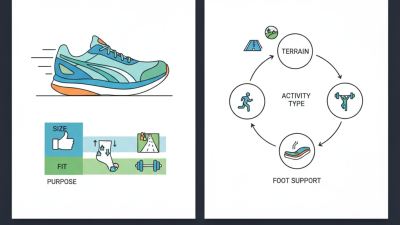
Many athletes overlook the importance of fit and support in running shoes. Ill-fitting shoes can lead to blisters and pain, which may hinder your training efforts. Consider factors such as arch type and foot strike when selecting. Testing shoes in-store helps ensure they meet your specific requirements.

Be aware that trends change. A popular shoe today might not suit everyone. Don’t be afraid to take time to reflect on your past experiences. Seeking expert advice and doing research will guide you towards an informed decision. Remember, the right running shoes can enhance your long-distance experience tremendously.

How to Choose the Best Running Shoes for Long Distance?

Factors to Consider When Selecting Long-Distance Running Shoes

Choosing the right shoes for long-distance running involves several important factors. Fit is crucial. A good shoe should feel snug but not tight. Make sure there’s a thumb’s width of space at the toe box. This allows your toes to splay naturally and avoids blisters. Inevitably, not every shoe will fit everyone perfectly. It’s wise to try on various sizes and widths.

Cushioning is another key factor. Long runs can be hard on your joints. A well-cushioned shoe can absorb impact, providing comfort over long miles. Some runners prefer a more minimalist approach. They favor lighter shoes that offer less cushioning. Finding the balance that works for you may take time. It’s also essential to consider your running style and foot arch. Each foot is unique, and understanding your biomechanics can lead you to a better choice.

Don't forget to evaluate the shoe's durability and traction. Long-distance runs often mean varied terrains. A durable shoe can withstand such conditions. However, the quest for the perfect shoe may involve some trial and error. You might pick a shoe that wears out faster than expected. Reflecting on your experiences can help refine your choices for future runs.
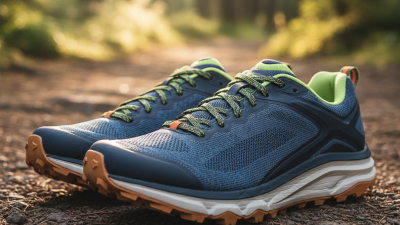
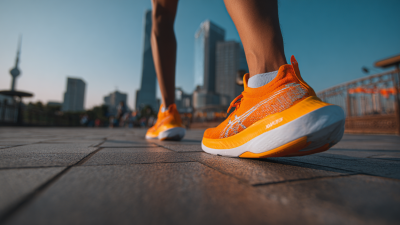
Understanding Foot Types and Their Impact on Shoe Fit

Choosing the right running shoes involves understanding your foot type. Everyone's feet are different. Some people have flat feet. Others have high arches. Each foot type affects how shoes fit and perform.

Flat-footed runners often need stability features. These shoes help prevent overpronation. A cushioned design can also provide essential support. High-arched runners, on the other hand, might require more flexibility. These shoes need to offer ample cushioning to absorb impact.

If you're unsure of your foot type, visit a specialty running store. Professionals can analyze your gait and foot shape. This will help guide your choice. Testing shoes by running a few steps in-store is crucial. Comfort is key. It’s not merely about aesthetics. You want shoes that feel good over many miles. If something feels off, trust those instincts. A mismatch now might cause issues later. Each runner is unique; understanding your needs can lead to better performance and enjoyment.

How to Choose the Best Running Shoes for Long Distance? - Understanding Foot Types and Their Impact on Shoe Fit

Foot Type Characteristics Recommended Shoe Features Examples of Suitable Shoes
Neutral Well-arched foot, balanced pressure distribution. Cushioning, flexible sole, moderate support. Lightweight trainers, versatile shoes.
Overpronated Flat arches, inward rolling of the foot. Stability features, motion control, extra cushioning. Stability shoes, motion control shoes.
Underpronated High arches, limited inward rolling. Enhanced cushioning, lightweight, flexible design. Cushioning shoes, neutral shoes.
Wide Feet Broader foot structure, extra room needed. Roomy toe box, flexible upper materials. Wide fit shoes, specific models for wide feet.
Narrow Feet Slim foot structure, need for a snug fit. Supportive fit, adjustable lacing systems. Narrow fit shoes, certain performance models.

Key Features of Long-Distance Running Shoes: Cushioning and Support

How to Choose the Best Running Shoes for Long Distance?

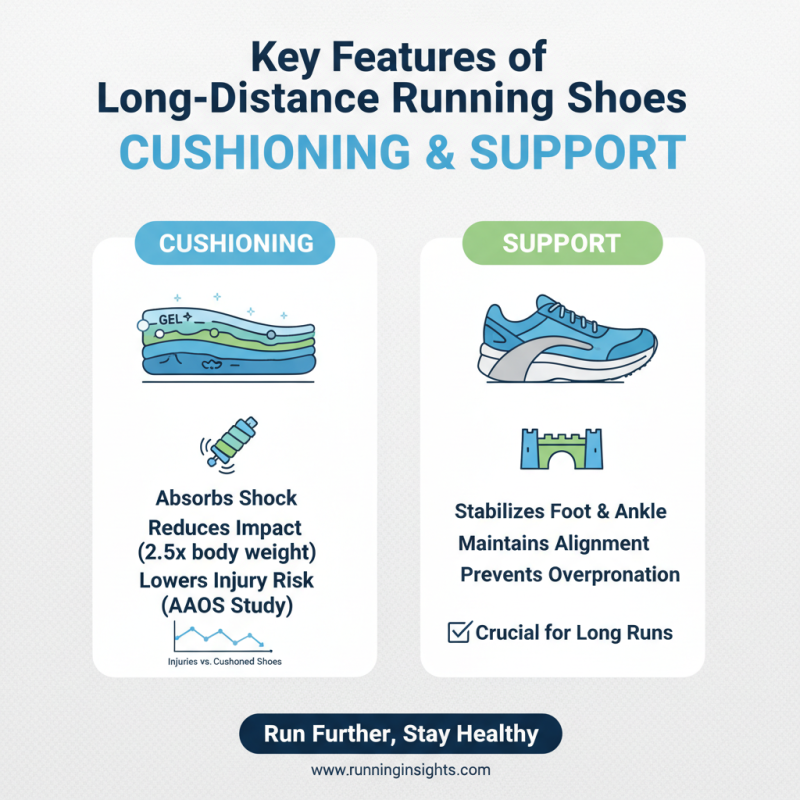
When selecting long-distance running shoes, cushioning and support are crucial features to consider. Research indicates that runners experience up to 2.5 times their body weight in impact during a typical run. This emphasizes the importance of proper cushioning in footwear. Shoes with adequate cushioning help absorb shock, reducing the risk of injury. A study by the American Academy of Orthopaedic Surgeons found that runners wearing well-cushioned shoes report fewer injuries over time.

Support is equally vital. Distances beyond 10 miles significantly increase the likelihood of overpronation and other gait issues. A report from the International Journal of Sports Physical Therapy suggests that supportive shoes can mitigate these problems. Look for shoes that offer stability features. These can help maintain proper alignment during long runs. However, there's a balance to strike. Too much support can lead to stiffness, which might cause discomfort. It’s essential to find shoes that provide just the right amount of stability suited to your running style.

Fit also plays a significant role in performance and comfort. A well-fitted shoe reduces friction, which can lead to blisters and other irritations. Interestingly, many runners neglect to try on shoes at the end of the day when their feet are slightly swollen. This oversight can result in ill-fitting shoes. Taking the time to find the right size can significantly enhance your running experience. Ensuring you have a proper fit, combined with sufficient cushioning and support, can make a major difference in your long-distance running journey.

Evaluating Shoe Weight and Its Role in Running Performance

When it comes to long-distance running, shoe weight is crucial to performance. A lighter shoe can improve speed, while a heavier shoe may increase fatigue. According to a study published in the Journal of Sports Sciences, a reduction of just 100 grams can enhance running economy by up to 1.6%. This means that even small changes in weight can significantly impact endurance over long distances.

However, it's essential not to focus solely on weight. Fit and comfort are equally important. A shoe that is too light may lack the necessary cushioning, leading to discomfort or injuries over time. Experts recommend finding a balance between lightweight materials and adequate support. The American College of Sports Medicine suggests that optimal running shoes offer both flexibility and protection for long-distance runners.

Consider the nuances of shoe design as well. Some lightweight shoes may sacrifice durability. Runners may find themselves replacing shoes more frequently, which can add up in cost. Additionally, there's a risk of compromising foot support. It's essential to assess how your shoes perform over various terrains. A shoe that works well on pavement might not perform equally on trails. Prioritize personal experience along with these factors to make an informed choice.

How Shoe Weight Affects Running Performance

The Importance of Proper Fit and Sizing in Preventing Injuries

Choosing the right running shoes is crucial for long-distance runners. A proper fit can significantly reduce the risk of injuries. According to a study from the American Orthopaedic Foot & Ankle Society, nearly 75% of runners experience injuries related to improper footwear. Selecting shoes that accommodate your foot type, arch, and running style can make a substantial difference.

When your shoes fit well, they provide support and cushioning. Ill-fitting shoes may cause blisters, calluses, or even stress fractures. A report from the Journal of Sports Sciences highlighted that 68% of runners who experienced injuries attributed issues to poor shoe fit. It's essential to pay attention to the length, width, and overall comfort of the shoes. A shoe that feels right when trying it on may not perform the same after several miles.

Consider the importance of measuring your feet regularly. Feet change over time due to various factors like age and weight. Runners should always try shoes on with the socks they will be using during a run. A shoe should allow for about a thumb's width of space between the longest toe and the end of the shoe. Reflecting on these details may lead to a more enjoyable and injury-free running experience.