How to Choose the Best Sports Running Shoes for Your Needs?
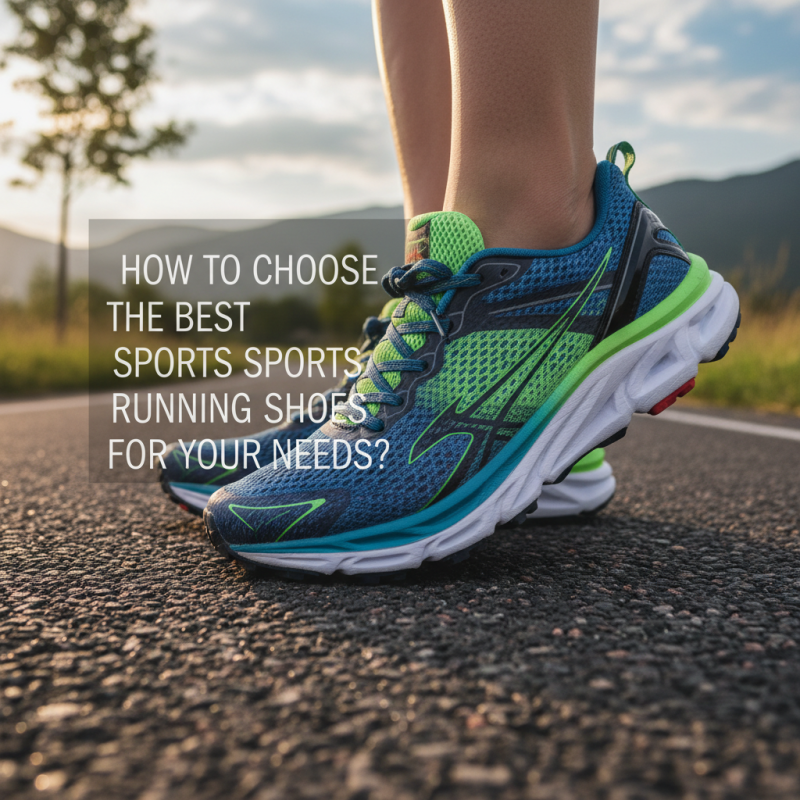
Choosing the right pair of Sports Running Shoes is crucial for every runner. The right shoes can enhance performance and prevent injuries. However, with countless options available, the selection process can be overwhelming. Consider your running style, foot shape, and terrain. A solid understanding of these factors will guide you in making an informed choice.
It's important to engage with knowledgeable resources and experts. Relying on their insights can help narrow down your options. Local running stores often offer expert advice and personalized fitting. This can make a significant difference in your comfort level and overall experience.
Remember, even with the best recommendations, personal preference plays a role. Each runner has unique needs and preferences. Some may prioritize cushioning, while others look for lightweight materials. Reflecting on your past experiences can aid in identifying the features that matter most to you.
Understanding Your Running Style and Foot Type
Understanding your running style and foot type is essential when selecting the best running shoes. Everyone's feet are unique, with different shapes and arches impacting how we run. Some people have flat feet, while others have high arches. Knowing your foot type helps you find the right support and cushioning.
Consider your running style as well. Do you land on your heel or the midfoot? A heel striker might need extra cushioning to absorb impact. If you have a more neutral stride, a balanced shoe could be your best option. Observe patterns in your running to determine what feels comfortable yet supportive.
Remember, it's crucial to try on shoes in the evening. Your feet swell throughout the day. The fit can change as your foot expands. Take time to walk and jog in the store. Don’t hesitate to ask for advice from knowledgeable staff. Their insights can make a difference. Tracking how a shoe feels during your run is essential. Listen to your body; any discomfort warrants re-evaluation. Each step counts when it comes to finding your perfect fit.
How to Choose the Best Sports Running Shoes for Your Needs?
| Foot Type |
Running Style |
Recommended Cushioning |
Arch Support |
Best For |
| Flat Feet |
Overpronation |
Maximum cushioning |
High support |
Long distance running |
| Normal Arch |
Neutral |
Moderate cushioning |
Medium support |
General running |
| High Arch |
Underpronation |
Lightweight cushioning |
Low support |
Speed training |
| Wide Feet |
Neutral/Overpronation |
Maximum cushioning |
High support |
Trail running |
Identifying Key Features in Running Shoes
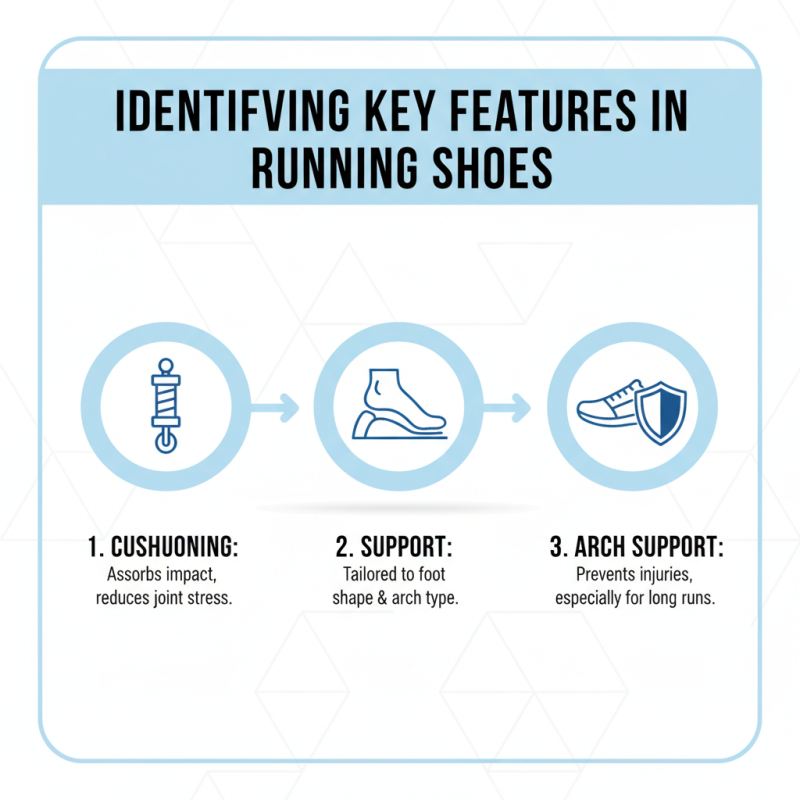
When selecting running shoes, focus on key features that cater to your unique needs. Proper cushioning is essential. It absorbs impact and reduces stress on your joints. Look for shoes with varying levels of support, as everyone has different foot shapes and arch types. Shoes with good arch support can prevent injuries, especially during long runs.
Breathability also plays a significant role. Materials that allow air circulation keep your feet dry and comfortable. This can enhance your overall running experience. Plus, consider the shoe's weight. Lighter shoes may improve speed, but they might offer less support. Striking a balance is crucial.
Reflecting on your running style is equally important. Your gait may require specific shoe designs. Flat-footed runners might need stability features, while those with high arches may benefit from more cushioning. Trying shoes on and testing them is a must. This process reveals how well they fit your foot shape and individual style.
Evaluating Cushioning and Support Needs
When searching for the best sports running shoes, evaluating cushioning and support is crucial. Different runners have unique needs. Some prefer a soft, plush feel, while others need firmer support. Understand your foot type to make an informed choice. Flat feet may require more arch support, whereas high arches benefit from cushioning.
Cushioning affects your running experience. Too much cushioning can lead to instability. In contrast, insufficient cushioning may cause discomfort. Test various options to find the right balance. Pay attention to how each shoe feels during your runs. Feel the difference as you transition from one shoe to another.
Support must align with your running style. Overpronators need shoes with added stability. Neutral runners can go for models with moderate support. Take time to reflect on your running habits. Each runner's journey is different. Embrace trial and error, and remain open to adjustments as your needs evolve. Trust your instincts and choose shoes that feel right for you.
Choosing the Best Sports Running Shoes: Cushioning and Support Needs
Trying on and Testing Shoes for Comfort and Fit
When trying on running shoes, focus on comfort and fit. Experts recommend testing shoes with specific movements.
Walk, jog, or perform a light sprint. The shoe should feel good immediately. Pay attention to how your feet respond to the shoe's cushioning and support.
A report by the American Academy of Podiatric Sports Medicine highlights that nearly 70% of runners face injuries due to improper footwear. This emphasizes the need for a proper fit. The heel should feel secure, with no excessive movement. A thumb's width should exist between your longest toe and the shoe's end. This translates to better comfort, reducing the likelihood of injuries.
Remember, everyone's foot shape and running style differ. Try multiple styles and sizes. Your ideal shoe may not be what you expected. Periodically revisiting your choice is vital, as wear and tear changes the shoe's behavior. Stay open to feedback from your body; it's a good indicator of whether the shoe suits you.