How to Choose the Best Sports Shoes for Your Needs?
When it comes to choosing the right sports shoes, expert insights can make all the difference. Dr. Alex Turner, a well-known sports footwear specialist, once said, "Finding the right sports shoes is about understanding your body and activity." Each athlete has unique needs, and the right footwear can enhance performance and prevent injury.
Selecting sports shoes involves considering factors like foot type, activity level, and personal style. For runners, cushioning and support are crucial. Fitness enthusiasts might prioritize flexibility and stability. Don't overlook size and fit; a shoe that feels comfortable in the store may not hold up during a workout.
There's no one-size-fits-all in sports shoes, and mistakes can happen. Many people choose based on trends rather than functionality. This can lead to discomfort and even injury. Reflect on your past shoe choices and assess what didn't work. It's essential to evaluate your needs before making a decision.
Factors to Consider When Choosing Sports Shoes
Choosing the right sports shoes is crucial. A report states that 70% of runners experience foot injuries due to improper footwear. This statistic highlights the importance of selecting shoes that fit your specific needs. Consider your foot type. Flat, neutral, or high-arched feet require different support levels. It’s essential to know your arch type. This knowledge can prevent discomfort and injuries.
Cushioning is another factor. Many athletes prefer shoes with excellent cushioning for long-distance events. A study indicates that shoes with adequate shock absorption can reduce injury risk by up to 30%. However, too much cushioning may cause a lack of stability. Test different shoes to find a balance that feels right.
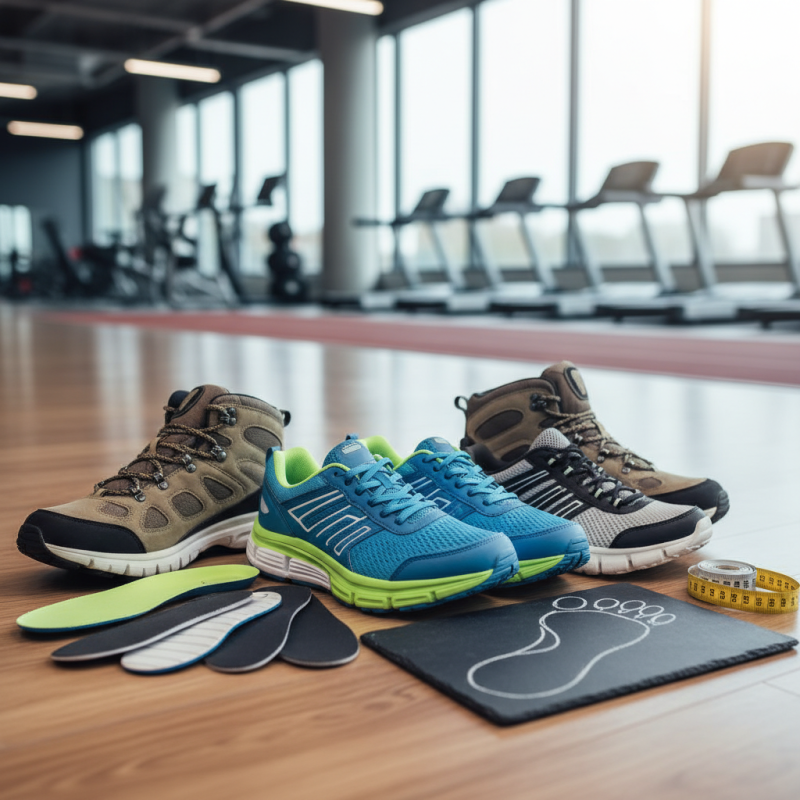
Sizing can be tricky. Feet swell during activity, so shoes should allow for some wiggle room. Always measure your feet at the end of the day. A poorly fitting shoe can lead to blisters or calluses. Adjust expectations and be prepared to try several options. It’s not just about looks; comfort is key. Make informed choices and reflect on how your shoes impact your performance.
Understanding Different Types of Sports Shoes
Choosing the right sports shoes can be confusing. Many options exist, tailored for different activities. Understanding the types helps in making informed decisions.
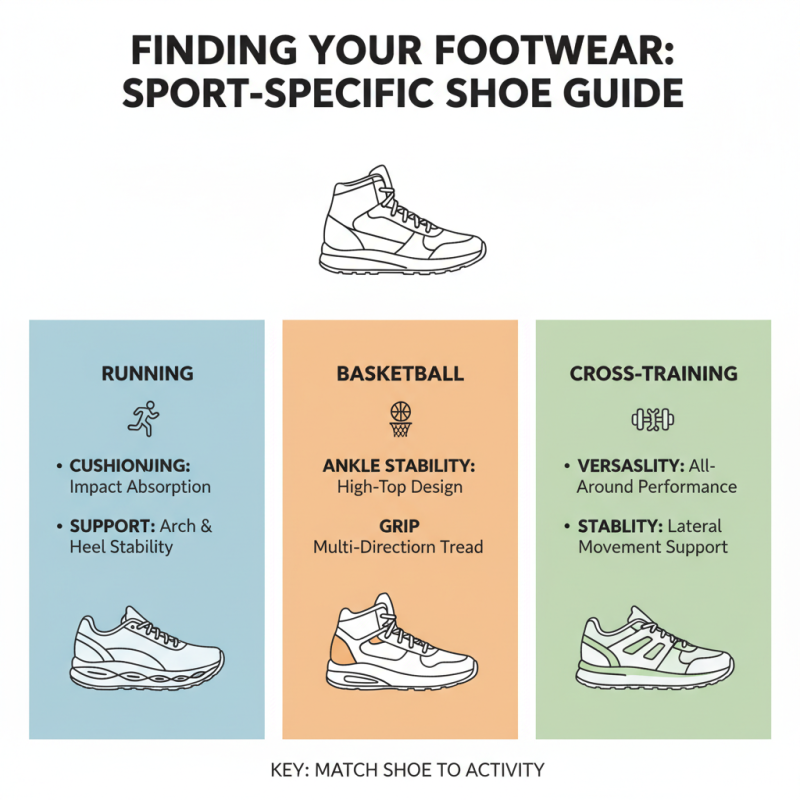
Running shoes are designed for forward motion. They offer cushioning and support, ideal for long distances. Athletic training shoes, on the other hand, cater to various movements. They provide stability during lateral actions, like in gym workouts. Then, there are court shoes, meant for sports like basketball and tennis. These shoes have excellent grip and ankle support.
Don’t overlook trail shoes if you enjoy nature. They provide traction on rugged surfaces. Each type has its strengths and weaknesses. Many people choose the wrong type due to lack of knowledge. It’s vital to know your specific needs. Remember to take your foot type into account. What feels comfortable for one person might not work for another.
How to Choose the Best Sports Shoes for Your Needs?
| Type of Sports Shoe |
Best For |
Key Features |
Price Range |
| Running Shoes |
Jogging and Road Running |
Lightweight, cushioning, breathable |
$50 - $150 |
| Basketball Shoes |
Playing Basketball |
High ankle support, traction |
$70 - $200 |
| Tennis Shoes |
Playing Tennis |
Durable, lateral support, traction |
$60 - $160 |
| Cross-Training Shoes |
CrossFit, Weightlifting |
Stability, flexibility, versatility |
$50 - $130 |
| Soccer Cleats |
Playing Soccer |
Studs for traction, lightweight |
$40 - $150 |
Evaluating Fit and Comfort for Optimal Performance
Finding the right sports shoes can be tricky. Comfort and fit play a significant role in your performance. Shoes that are too tight can cause blisters. Loose shoes can lead to instability. You should feel balanced and supported while moving.
When trying on shoes, focus on the feel. Take a few steps in them. Pay attention to how the shoes hug your feet. The toe box should provide space without being too cramped. If your heel lifts slightly, they may not be ideal. This fit evaluation is crucial to avoid discomfort later.
Consider the type of activity too. Running shoes differ from training shoes. Each activity demands specific support. Reflect on your needs. A shoe may feel comfortable initially, but do they provide Your health depends on this choice. Seek out a shoe that fits well and allows you to perform at your best.
Materials and Technology in Sports Shoe Design
When selecting sports shoes, materials and technology play a pivotal role. Modern sports shoes incorporate advanced fabrics like mesh and synthetic materials. These materials enhance breathability and flexibility. According to a recent report by Sports Insight, shoes utilizing these technologies can reduce foot fatigue by up to 20%.
The sole of the shoe is equally important. EVA foam is widely used due to its lightweight and cushioning properties. However, while it offers comfort, it can wear out quickly on rough surfaces. Some studies indicate that shoes with high-abrasion rubber outlast others by 30%. This durability is essential for athletes who train intensely.
Technology integration is another key aspect. Shoes with impact-absorbing technology can lower injury risks significantly. A study by the Journal of Sports Science found that runners using such shoes experienced a 15% decrease in injuries. Yet, not all brands emphasize this tech. Hence, buyers should scrutinize specifications. Comfort and fit remain personal choices and can vary widely among individuals.
Material Comparison in Sports Shoe Design
This chart illustrates the percentage usage of different materials in sports shoe design. Mesh is the most common material due to its light weight and breathability, followed by synthetic materials. Leather and rubber have moderate representation, while foam is used less frequently.
Identifying Your Specific Sport and Activity Needs
Choosing the right sports shoes starts with understanding your specific sport and activity. Different sports place unique demands on your feet. For runners, cushioning and support are vital. Basketball players need ankle stability and grip. Identifying your activity can narrow down your options significantly.
Consider your primary activity. If you enjoy trail running, look for shoes with good traction and durability. For gym workouts, versatility matters. You want shoes that can handle various movements. Sometimes, the shoes that look the best might not fit your activity. Pay attention to what feels right when moving.
Tips: Before purchasing, try shoes on in-store. Walk or jog around to assess comfort. Think about the fit—too tight can cause blisters, too loose can lead to instability. Reflect on your past experiences. If a shoe gave you issues before, don’t make the same mistake again. Test out different styles, and don’t be afraid to take your time making a decision.