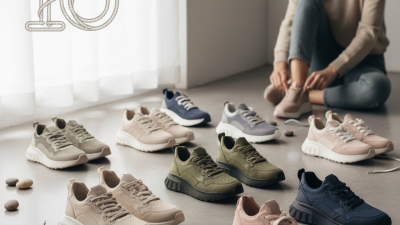
Choosing Casual Shoes Women in bulk requires more than selecting attractive colors and familiar sizes. Buyers must balance comfort, durability, price, seasonal demand, and inventory risk. A shoe that sells quickly in one market may remain untouched in another. That uncomfortable truth deserves attention.
The World Footwear 2024 Yearbook reports that global footwear production remains above 20 billion pairs annually. This scale creates opportunity, but also increases competition and overstock pressure. Grand View Research expects the global footwear market to continue expanding through 2030, supported by casual styles, online retail, and changing lifestyle habits. These figures show growth, not guaranteed profit. Product selection still needs local evidence.
“Comfort is a key driver of footwear purchases,” says Beth Goldstein, footwear industry analyst at Circana, as reported in Footwear News. Her observation matters for bulk buyers. Customers often judge casual shoes within minutes of wearing them. Soft linings, flexible outsoles, breathable uppers, and stable heel support can influence repeat purchases. Small details matter.
A reliable wholesale decision should begin with customer profiles and sales history. Check size distribution, preferred materials, return reasons, and climate conditions. Then compare samples under real daily use. Walk on concrete. Test the stitching. Inspect glue marks and outsole grip. Do not trust photographs alone.
This guide explains how to assess suppliers, estimate order quantities, and build a practical Casual Shoes Women assortment. It also examines common mistakes, including excessive color choices and unrealistic sales forecasts. Some recommendations may require adjustment. Markets change quickly. Good buyers leave room to learn.
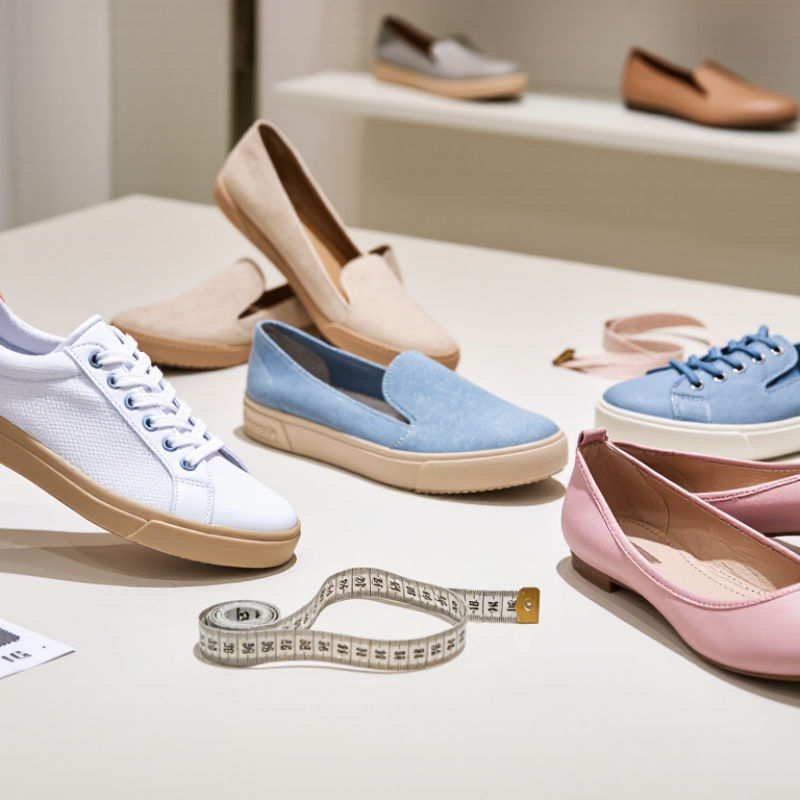
Bulk buying should begin with use, not color. Women commuting to offices may need flexible loafers, cushioned sneakers, or slip-ons for train platforms and polished floors. Weekend shoppers often prefer lightweight soles, washable uppers, and wider toe boxes. The World Footwear Yearbook 2024 reports that global footwear consumption remains above 20 billion pairs annually, showing the scale of demand but not the reason behind each purchase. That distinction matters.
Segment customers by routine, age, climate, and price tolerance. For example, urban customers walking 6,000 to 10,000 steps daily may value shock absorption more than decorative details. In warmer markets, breathable mesh and moisture-managing linings deserve priority. In rainy areas, treated uppers and deeper tread are more practical. The NPD Group’s footwear research has repeatedly identified comfort as a leading purchase driver, while style still influences first impressions. Buyers need both.
Do not over-order one silhouette. It is a common mistake. A 2024 footwear market analysis by Grand View Research identifies sneakers as a major casual footwear category, but broad market growth cannot guarantee local sell-through. Test a small size curve first. Track returns, repeat orders, and complaints about pressure points. A simple customer survey can reveal more than a supplier catalog. Fit feedback may expose an assumption you were confident about. That is useful evidence.
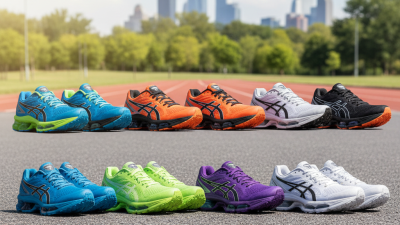
When choosing casual shoes for women in bulk, start with the customer’s daily routine. Clean sneakers, lightweight loafers, and flexible slip-ons cover commuting, shopping, and casual office wear. Avoid buying one style in excessive quantities. A narrow trend can become dead stock quickly. Check sales records, customer age, climate, and preferred colors before setting quantities.
Material selection should balance appearance, durability, and cost. Breathable mesh suits warm climates and active customers, while microfiber offers a smoother surface and easier cleaning. Textile Exchange’s 2024 Materials Market Report states that polyester represented about 59% of global fiber production in 2023. This shows its wide availability, but not automatic sustainability. Ask suppliers about recycled content, coating safety, and material consistency. Small differences between batches can affect returns.
Comfort needs practical testing. The American Podiatric Medical Association reports that 77% of U.S. adults have experienced foot pain. Therefore, inspect cushioning, arch support, heel stability, and toe-room before placing a large order. A soft insole may feel comfortable for five minutes but fail after several hours. Test shoes with common socks and walk on hard floors. Measure internal length across different sizes, because printed size labels are not perfectly consistent. A useful checklist can reduce mistakes, though it cannot replace real wear testing.
| Shoe Style | Best Use | Suitable Materials | Essential Comfort Features | Typical Weight Per Pair |
Breathability | Bulk-Buying Recommendation |
|---|---|---|---|---|---|---|
| Canvas Sneakers | Everyday wear, school, commuting, and casual outfits | Textile canvas upper, cotton or polyester lining, rubber outsole |
Removable cushioned insole; padded collar; flexible forefoot |
Approx. 500–800 g | ★★★★☆ Good in dry conditions |
A versatile core style with broad consumer appeal. Confirm colorfastness and outsole bonding before placing a large order. |
| Knit Slip-On Shoes | Travel, indoor use, errands, and warm-weather casual wear | Engineered knit or mesh upper, textile lining, EVA or rubber outsole |
Stretch opening; lightweight foam footbed; soft heel counter |
Approx. 350–650 g | ★★★★★ Excellent airflow |
Suitable for comfort-focused assortments. Check stretch recovery, heel stability, and size consistency across production batches. |
| Court Sneakers | Daily walking, casual streetwear, and light recreational use | Synthetic leather or leather upper, textile lining, rubber cupsole |
Padded tongue; shock-absorbing midsole; structured heel support |
Approx. 650–950 g | ★★★☆☆ Moderate |
A strong all-season option. Request flex testing and inspect stitching around high-stress areas such as the toe box and eyestay. |
| Walking Shoes | Long walks, commuting, travel, and everyday standing | Breathable mesh, synthetic overlays, EVA midsole, rubber outsole |
Contoured footbed; heel cushioning; non-slip outsole; forefoot flexibility |
Approx. 450–750 g | ★★★★☆ Good with mesh panels |
Prioritize fit and cushioning over decorative details. Test outsole grip on dry and lightly wet surfaces before approval. |
| Espadrille Flats | Summer outfits, resort wear, and casual social occasions | Canvas or cotton upper, textile footbed, jute-look rope midsole, rubber outsole |
Flexible forefoot; padded insole; soft topline; secure heel fit |
Approx. 450–700 g | ★★★★☆ Good in warm weather |
Inspect rope-wrapped construction carefully. The outsole should be firmly bonded, and the upper should not rub against the heel or toes. |
| Casual Loafers | Office-casual wardrobes, commuting, and smart everyday dressing | Leather, microfiber, or synthetic leather upper; textile lining; rubber outsole |
Cushioned insole; flexible outsole; rounded toe box; low heel |
Approx. 550–850 g | ★★★☆☆ Depends on lining |
Choose neutral colors for wider market coverage. Check vamp flexibility, odor resistance, and whether the heel remains secure during walking. |
| Mary Jane Flats | School, work, casual dresses, and classic everyday styling | Synthetic leather, microfiber, or textile upper; soft textile lining; rubber outsole |
Adjustable strap; cushioned footbed; rounded toe; flexible outsole |
Approx. 500–800 g | ★★★☆☆ Moderate |
Offer adjustable straps to improve fit across different foot shapes. Verify buckle strength and avoid stiff edges near the ankle. |
| Lightweight Casual Boots | Autumn and winter commuting, casual weekends, and travel | Water-resistant synthetic leather or leather, textile lining, rubber outsole |
Soft padded collar; cushioned insole; flexible lug outsole; moderate insulation |
Approx. 800–1,200 g | ★★☆☆☆ Lower due to coverage |
Confirm water-resistance claims with testing. Avoid excessive weight, and check zipper or lace hardware for smooth operation and durability. |
| Platform Casual Sneakers | Fashion-led casual wear, city walking, and seasonal collections | Canvas, mesh, or synthetic leather upper; EVA platform; rubber outsole |
Stable heel counter; shock-absorbing footbed; balanced platform; secure lacing |
Approx. 700–1,100 g | ★★★☆☆ Depends on upper |
Verify platform stability and torsional control. A moderate platform height generally offers easier everyday wear than an excessively tall sole. |
How to Choose Casual Shoes for Women in Bulk?
Set quality standards before comparing prices. For casual women’s shoes, inspect stitching, bonding, outsole grip, lining comfort, and odor after packaging. Use measurable limits for heel attachment, flex resistance, abrasion, colorfastness, and moisture exposure. A small wear test matters. Fit is operational data. Ask testers to walk on tile, pavement, and stairs. Record pressure points after two hours, not only after five minutes. Standards should also include carton strength, pair matching, and acceptable defect rates. The World Footwear Yearbook 2024 estimated global footwear production at about 23.9 billion pairs in 2023, making consistent inspection essential for bulk purchasing.
Build a complete size range from verified sales history, not assumptions. Convert measurements through ISO 19407:2023, then request physical samples in every key size. Measure foot length, width, instep height, and toe clearance. Size labels can mislead. The National Retail Federation and Appriss Retail reported that an estimated 16.9% of U.S. retail sales were returned in 2024. Poor fit is not the only cause, but it increases avoidable costs. I would also review regional preferences, because narrow lasts may fail in wider-foot markets. That risk is easy to underestimate.
Seasonal specifications should reflect real weather and selling periods. Choose breathable uppers, lighter linings, and flexible soles for warmer months. Consider water resistance, deeper tread, and warmer lining for wet or cooler seasons. Seasonal colors help, but durability should lead. Weather patterns are less predictable now, so ordering only one seasonal design can be fragile. A smaller pilot order may reduce waste, although it can raise the unit cost. That trade-off needs honest review.
Quality standards, size ranges, and seasonal requirements for wholesale purchasing
The chart presents practical baseline targets for bulk casual footwear inspection. A reliable purchase plan should verify outsole abrasion resistance, flex durability, upper seam strength, bonding strength, and colorfastness before production approval. Buyers should also offer a balanced women’s size range, commonly covering EU 35–42, while adjusting quantities according to the target market. Seasonal collections should use breathable materials and lighter outsoles for spring and summer, and water-resistant uppers, warmer linings, and deeper traction patterns for autumn and winter.
Choosing casual shoes in bulk requires more than comparing the lowest quotation. I usually review at least three suppliers using the same product brief. Include upper material, sole thickness, size range, color, packaging, and delivery terms. A clear brief makes price differences easier to explain.
Ask each supplier for a sample before discussing a large order. Check stitching, glue marks, footbed comfort, and size consistency under normal use. Ask for recent production photos and basic quality records. Small errors matter. One supplier may offer a lower unit price but charge more for packaging, molds, or shipping. Calculate the landed cost, not only the factory price. Payment terms and replacement policies also deserve attention.
Minimum order quantities can vary by color, size, and customization level. A flexible supplier may accept a smaller trial order, although the unit price could rise. Request a written breakdown for custom logos, printed insoles, special colors, hangtags, and shoe boxes. Confirm whether development fees are refundable after production. Customization sounds simple, but color matching can delay approval. Leave time for sample revisions. I once underestimated this stage, and the launch schedule became unnecessarily tight. Ask about production capacity during busy seasons, because attractive pricing means little when delivery dates remain uncertain.
Choosing casual shoes for women in bulk requires more than checking photos and unit prices. Request physical samples in several sizes. Inspect stitching, sole bonding, lining, heel comfort, and color consistency. Ask testers to walk on tile and pavement. A shoe may look soft but feel rigid after twenty minutes.
Certifications deserve careful checking. Confirm the document matches the actual materials, factory, and production period. Review testing for chemical safety, sole durability, colorfastness, and restricted substances. A certificate with an attractive logo is not enough. Check the issuing laboratory and its accreditation. Requirements differ by destination, so verify them with an experienced importer or compliance adviser. I have seen buyers trust a general certificate that did not cover the finished shoe. That mistake can be expensive.
Packaging should protect shape without creating unnecessary waste. Request photos of inner paper, carton strength, moisture protection, and size labels. Drop-test one packed carton if possible. Delivery terms must clearly state production time, inspection timing, shipping method, and responsibility for damaged goods. Confirm whether delays begin from deposit payment, sample approval, or artwork approval. Add a written tolerance for quantity and color variation. Small details matter. Leave room for one correction. Bulk orders rarely run perfectly, and a flexible inspection plan can prevent a minor issue from becoming thousands of unsellable pairs.