Why Choosing the Right Running Shoes is Essential for Performance and Comfort
Choosing the right running shoes is crucial for performance and comfort. According to recent data from the Sports & Fitness Industry Association, 64% of runners reported experiencing injuries directly related to improper footwear. The right pair can enhance performance, reduce injury risks, and provide comfort during runs.
Expert in running footwear, Dr. Sarah Thompson, asserts, "The wrong shoes can lead to significant setbacks in a runner's journey." This statement underscores the importance of selecting shoes that fit well and suit individual running styles. Many runners overlook the specific needs of their feet, leading to issues such as blisters, arch pain, or shin splints.
Additionally, the running shoe market is booming. It is projected to reach $8 billion by 2026, indicating a growing awareness among runners regarding the importance of proper equipment. However, despite this growth, not all runners prioritize selecting the right running shoes. Many opt for aesthetics over functionality, which can hinder their athletic potential. Making an informed choice can greatly enhance a running experience, allowing individuals to achieve their fitness goals without discomfort or injury.

Understanding the Importance of Proper Running Shoe Selection
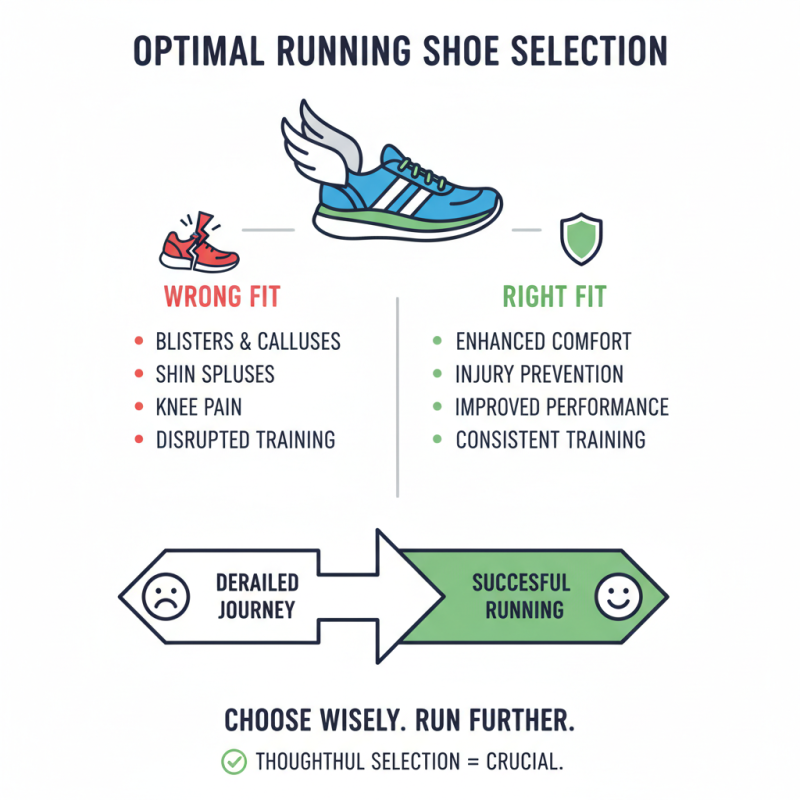
Selecting the right running shoes can greatly influence your overall performance and comfort. When shoes don’t fit correctly, discomfort can arise. Blisters and calluses may form, disrupting your training. The wrong shoes may even lead to injuries like shin splints or knee pain. These problems can derail your running journey. That’s why thoughtful selection is crucial.
Proper running shoes should cater to your unique foot shape and running style. Consider factors such as arch support and cushioning. Pay attention to the shoe’s weight; lighter options offer speed, but may sacrifice comfort. However, choosing too much cushioning can reduce stability. Finding a middle ground is important.
Many runners often overlook their foot type. Understanding whether you have flat feet, high arches, or neutral arches makes a difference. Trying shoes on with the socks you wear while running can help. Choosing shoes in the evening, when your feet are slightly swollen, is also a smart move. Small details matter in achieving an optimal fit. Recognizing these nuances can transform your running experience.
The Impact of Running Shoes on Performance and Injury Prevention
The right running shoes play a crucial role in performance and injury prevention. Studies show that nearly 60% of runners experience injuries each year. Many of these injuries arise from inappropriate footwear. Shoes that don’t match a runner's gait can lead to issues like shin splints and plantar fasciitis.
A report from the American Academy of Podiatric Sports Medicine reveals that improper shoe choice increases injury risk significantly. Comfort is paramount, yet many runners disregard it. The cushioning, support, and fit of shoes directly impact running efficiency. Runners often claim they choose style over function, but this can have real consequences. Selecting shoes that suit your foot type is essential.
Data indicates that wearing the correct shoes can enhance performance by 5-10%. Many runners fail to replace worn-out shoes on time. An average pair of running shoes lasts around 300-500 miles. Ignoring this leads to reduced shock absorption and increased vulnerability to injuries. Understanding the impact of your footwear is key. Reflecting on your choices is vital for improving both comfort and performance.
Why Choosing the Right Running Shoes is Essential for Performance and Comfort
| Shoe Type |
Weight (g) |
Cushioning Level |
Heel Drop (mm) |
Grip Type |
Typical Price ($) |
| Neutral Shoes |
250 |
Moderate |
10 |
Road |
120 |
| Stability Shoes |
280 |
High |
8 |
Road |
140 |
| Trail Shoes |
320 |
Moderate |
12 |
Off-road |
130 |
| Minimalist Shoes |
200 |
Low |
4 |
Road & Trail |
110 |
| Motion Control Shoes |
300 |
High |
10 |
Road |
150 |
Key Features to Look for in Running Shoes for Comfort and Fit
Choosing the right running shoes greatly impacts your performance and comfort. Key features help improve your running experience. Focus on fit, cushioning, support, and stability. A secure fit prevents blisters and discomfort. Shoes that hug your feet without being too tight are essential.
Cushioning matters. It absorbs impact and protects your joints. Look for shoes that provide the right amount of cushioning for your running style. Some runners prefer softer cushioning, while others need firmer options. It’s all about personal preference.
Support and stability are also crucial. Your arches determine the level of support needed. Neutral runners may need less support, while overpronators require more. If you’re unsure, a fitting session can offer valuable insights.
Tips: Always try on shoes at the end of the day. Your feet swell during activity, so this helps find the best fit. Remember to walk or jog briefly while trying them. It’s essential to feel comfortable before committing. If the shoe rubs or pinches, it’s not the right one. Keep experimenting until you find your perfect match.
Different Types of Running Shoes and Their Specific Uses
When it comes to running shoes, the options are abundant. Each type is designed for specific needs. Road running shoes are lightweight. They offer minimal cushioning but great support for hard surfaces.
Trail shoes, on the other hand, have thicker soles. They provide traction over uneven terrain.
Then, there are maximalist shoes for those seeking extra cushioning. These shoes can feel like running on clouds, but they may lack flexibility.
Stability shoes cater to overpronators, offering an excellent balance between support and comfort. Choosing the wrong type might lead to discomfort or injury.
It’s important to reflect on personal running style. A shoe that works for one person may not suit another. Trying different types is crucial for finding the right match.
Don't be afraid to experiment with less popular options. Sometimes, the perfect fit lies outside the mainstream choices. Remember, each run is a chance to assess your comfort levels and make adjustments.
How to Properly Test and Choose Running Shoes for Your Needs
When choosing running shoes, testing and fit are crucial. A good fit can enhance your performance. Poorly fitting shoes can lead to injuries. According to a study by the American Podiatric Medical Association, up to 70% of runners suffer from foot problems. This emphasizes the need to test shoes properly.
Tips: Always try shoes at the end of the day. Your feet swell throughout the day. Measure your foot size, as it's not static. Sizes can vary between styles.
Testing shoes should involve more than just a quick walk. Take a short run in the store. Pay attention to how they feel. The right shoe should provide support without pinching or slipping. Research shows that shoes worn for more than 500 miles may lose cushy support. Check your shoes regularly for wear.
Tips: Keep a record of your shoe mileage. This can help you know when to replace them. Don't ignore discomfort, even minor aches. They can evolve into serious issues. Listening to your body is essential in running.