Top Men Sports Shoes Trends for 2026 What to Buy?
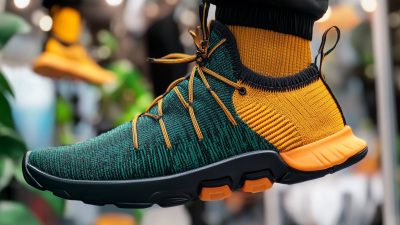
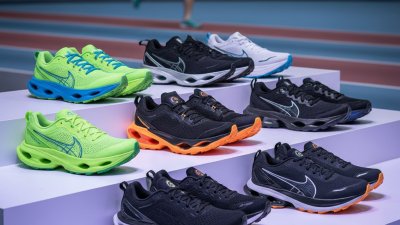
The world of Men Sports Shoes is evolving rapidly. As we look ahead to 2026, several trends are set to dominate the market. These shoes are not just about performance anymore; they are also about style and sustainability. Men's sports shoes are becoming more versatile, integrating advanced technology and chic designs.
Innovative materials are now being used to enhance comfort and durability. Lightweights and breathable fabrics are becoming the norm. Yet, with so many options, choosing the right pair can feel overwhelming. Some shoes promise more than they can deliver, leaving consumers disappointed.
A deeper understanding of one’s needs is crucial. Where do we find the balance between performance and aesthetics? Investing in quality men sports shoes is not just about the look but also about fit and functionality. Ultimately, 2026 will bring exciting opportunities and challenges in the men’s sports shoe landscape.
Trending Technologies in Men’s Sports Shoes for 2026
As we look toward 2026, the technology in men’s sports shoes is evolving rapidly. Innovative materials will dominate, such as breathable fabrics and lightweight composites. These advancements enhance performance and comfort, allowing athletes to push their limits. Designers are focusing on creating shoes that adapt to the foot's natural movement, which could redefine user experience.
Smart technology is rising as well. Sensors embedded in shoes can track performance metrics in real-time. This data helps athletes analyze their technique and make informed adjustments. Personalized feedback may lead to better training outcomes. However, reliance on technology raises questions. If athletes become too dependent on these features, will it diminish their innate skills?
Sustainability is another significant concern. The industry is moving towards eco-friendly practices. Brands are experimenting with recyclable materials, but the challenge lies in maintaining performance. Many designs still prioritize aesthetics over function. This tension between style and efficiency needs addressing. Balancing innovation with practicality is crucial for future sports footwear.
Sustainable Materials: The Future of Men’s Athletic Footwear
Sustainable materials are transforming men’s athletic footwear. As climate awareness grows, so does the demand for eco-friendly options. Sneakers made from recycled plastics and organic fabrics are gaining traction. These materials reduce environmental impact while offering high performance.
Durability remains a question. Many emerging materials are lightweight, but can they withstand intense wear? Athletes seek shoes that last. Innovations like plant-based composites show promise but need extensive testing. Manufacturers are exploring water-resistant coatings that minimize chemicals, but durability remains an area needing improvement.
The aesthetics of sustainable shoes is evolving. Bold colors and unique designs attract buyers. However, is the sustainable message clear? Some products still lack transparency about sourcing and production practices. Consumers should research brands before purchasing. Understanding the journey of the shoes can lead to more informed decisions. As trends evolve, the focus on sustainability must be backed by genuine commitment.
Top Men Sports Shoes Trends for 2026
This chart illustrates the projected popularity of various sustainable materials used in men’s athletic footwear in 2026. The data indicates a significant shift towards eco-friendly materials reflecting consumer preferences for sustainability.
Key Performance Features to Look for in 2026 Men's Sports Shoes
As the demand for men’s sports shoes continues to grow, several key performance features will shape 2026 trends. Cushioning technology will remain a priority, offering superior comfort and impact protection. Look for shoes with advanced foam materials that adapt to your foot’s shape. A well-cushioned shoe can significantly enhance your running experience, so consider different materials for your specific sport.
Another crucial feature is breathability. Shoes made with lightweight, breathable fabrics help regulate temperature. This prevents overheating during intense workouts. Test the flexibility of the upper materials to ensure they offer a good balance between support and ventilation.
Durability is equally important. Evaluate the outsole materials to ensure long-lasting performance. Rubber compounds can improve traction and wear resistance. Regularly assess your shoes for signs of wear, as neglected footwear can lead to injuries. Trust your instincts; if a shoe feels off, it likely is. Choose wisely.
Top Men Sports Shoes Trends for 2026 What to Buy? - Key Performance Features to Look for in 2026 Men's Sports Shoes
| Feature |
Description |
Pros |
Cons |
| Lightweight Materials |
Shoes made with advanced lightweight materials for better mobility. |
Enhanced speed and agility. |
Durability may be compromised. |
| Breathable Fabrics |
Use of mesh and other breathable materials to enhance ventilation. |
Keeps feet cool and dry. |
May require more frequent cleaning. |
| Cushioned Insoles |
Insoles designed to provide maximum comfort and shock absorption. |
Reduces impact on joints. |
Can make shoes bulkier. |
| Supportive Structures |
Incorporation of heel counters and arch support technologies. |
Improves foot alignment. |
Might feel restrictive for some. |
| Eco-friendly Materials |
Sustainable materials sourced ethically for environmentally conscious consumers. |
Less environmental impact. |
Potentially higher cost. |