What is the Sand Molding Process and Its Top Benefits?
The sand molding process is a fundamental technique in metal casting. It has been used for centuries, shaping countless metal objects. The process involves creating molds from sand, a material that is both versatile and cost-effective.
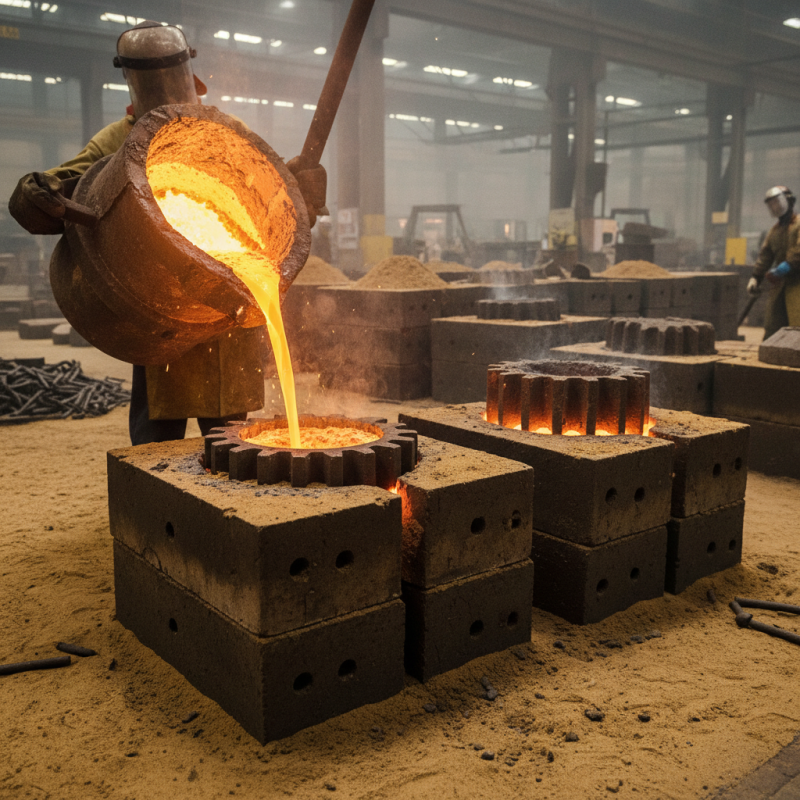
During the sand molding process, fine sand is mixed with a binder. This mixture forms a mold that can withstand high temperatures. Once the mold is prepared, molten metal is poured in to create the desired shape. The intricate details captured by sand molds can be impressive. However, imperfections can occur. Sometimes the molds may not hold their shape well, affecting the final product’s quality.
Despite its challenges, the sand molding process offers numerous advantages. It is suitable for a wide range of metals and complex designs. This method is also relatively easy to scale, whether for small or large production runs. As the industry evolves, exploring new techniques while addressing flaws will be essential for continued improvements.
What is Sand Molding? An Overview of the Process
Sand molding is a widely used manufacturing process in producing metal parts. It involves creating molds from sand, which can withstand high temperatures. The process starts with mixing sand, clay, and water to form a pliable mixture. This mixture is then shaped around a pattern to create a mold cavity. According to industry reports, sand casting represents about 70% of all metal casting processes, making it a critical method in various sectors.
The benefits of sand molding are significant. It allows for complex shapes and intricate designs with high precision. Moreover, the materials used are relatively inexpensive and widely available, making this method cost-effective for both small-scale and large-scale production. A report from the American Foundry Society indicates that over 3 million tons of sand are utilized annually for casting purposes in North America alone.
However, the sand molding process is not without challenges. The quality of the mold relies heavily on the sand mixture's composition. Inconsistent mixtures can lead to defects in the final product. Workers often face hazards from dust and fumes during the mold-making process. Addressing these issues remains a critical focus in the industry, as improvement is essential for both safety and productivity.
Key Materials Used in the Sand Molding Process
The sand molding process is a widely used technique in metal casting. It relies on specific materials that affect the final product's quality. The primary material is silica sand, which constitutes about 70% of the mold. This sand is known for its high melting point and durability. In fact, industry reports indicate that silica sand is preferred for more than 80% of sand molds produced globally.
Other critical materials include binders, which help hold the sand grains together. Common binders are clay and resin. Clay improves the mold's strength but may require more water to activate. On the other hand, resin provides quick curing times but can increase costs. A balance between these materials is essential for optimizing the process.
Tips: Consider the grain size of the sand. Finer grains create detailed molds but can lead to shrinkage. Monitor your binder ratios carefully. Too much binder can make your molds brittle.
It's interesting to note that recycled sand is gaining popularity. It lowers costs and supports sustainability. However, the quality variation can be challenging. Consistent testing is vital to ensure reliability. Each casting requirement may differ, and what works well for one project may not for another. Always evaluate material sources for performance.
What is the Sand Molding Process and Its Top Benefits?
| Feature | Description | Benefits | Common Materials |
| Process Overview | A method of forming metal objects using sand molds. | Cost-effective and flexible for large production runs. | Silica sand, resin, clay. |
| Speed of Production | Faster turnaround times compared to other molding techniques. | Increased efficiency for meeting tight deadlines. | Epoxy, metal powders. |
| Tooling Flexibility | Ease of creating molds for complex shapes and designs. | Customizable solutions for diverse project requirements. | Coated sands, high-performance binders. |
| Material Recycling | Used sand can be reclaimed and reused multiple times. | Reduced material costs and environmental impact. | Reclaimed sand, additives. |
Step-by-Step Procedure of Sand Molding Technique
The sand molding process is vital in metal casting. It consists of several key steps. First, a pattern is created. This pattern is usually made of metal or wood. Next, sand is mixed with a bonding agent to form the mold. Water can also be added to enhance the mixture. The mold is then compacted around the pattern to ensure stability.
After the mold is set, it is carefully removed from the pattern. This step requires precision to avoid damaging the mold. Once the mold is ready, molten metal is poured into it. Cooling is crucial in this step. Proper cooling ensures that the metal solidifies correctly and retains the shape of the mold.
Tips for successful sand molding include monitoring sand moisture content. Too much moisture can lead to weakening of the mold. Inspect the mold for any cracks or imperfections before pouring. This inspection helps avoid casting defects. Additionally, take your time during the pattern removal stage. Rushing may result in mold damage.
Always be aware of your workspace. Clean and organized areas help maintain focus. Mistakes can be costly in this process. Reflect on what went well and what needs adjustment after each run. This reflective practice can improve future outcomes significantly.
Sand Molding Process Benefits
Top Benefits of Sand Molding in Manufacturing Industries
Sand molding is a widely used process in manufacturing that offers several notable benefits. One key advantage lies in its versatility. It can produce complex shapes that satisfy various industry needs. This adaptability makes it preferable for industries like automotive, aerospace, and art.
Another significant benefit is the cost-effectiveness of sand molding. The materials used are inexpensive and locally sourced. This can reduce overall production costs. Additionally, the process itself is relatively straightforward. As a result, many manufacturers can implement it without extensive training.
Tip: When considering sand molding, assess the pattern durability. Patterns can wear out over time, impacting production efficiency.
The sand molding process is also efficient in terms of production speed. Once the molds are created, they can be reused multiple times, increasing output. This promotes a quicker turnaround for projects.
Tip: Regularly maintain your molds to prolong their life. A little maintenance can go a long way in reducing costs.
While sand molding has many advantages, it does have limitations. Sand may not always capture
fine details, which can be a setback. Evaluating these aspects is crucial for achieving the best results in various applications.
Industry Statistics: Efficiency and Cost Savings of Sand Molding
The sand molding process is known for its efficiency in manufacturing. Industry statistics show that this method can reduce production costs by up to 30%. Companies benefit from shorter production cycles. Many experts indicate that sand molds can be created in less than 24 hours. This quick turnaround is crucial for meeting market demands.
Moreover, the scrap rate in sand molding can be quite low, often around 2-5%. This translates to significant savings over time. However, some manufacturers still face challenges. Inconsistent molding quality is a common issue. Variations in sand composition can lead to defects. Addressing these concerns is essential for maximizing efficiency.
Efficiency is not just about speed. It's also about resource management. Studies suggest that companies using sand molding can achieve a lower energy consumption rate by 20% compared to other methods. Despite these benefits, businesses need to invest in proper training. Understanding the nuances of the sand molding process can lead to better outcomes. Poor execution can result in additional costs, negating some of the savings found. Balancing efficiency with quality control is key.