Shose expert

17 Years Manufacturing Experience
je

How to Source the Best Running Sneakers Globally?

Sourcing the best running sneakers globally begins with evidence, not attractive product photos. The global running footwear market was valued at approximately USD 42.3 billion in 2023, according to Grand View Research. The report also expects steady growth through 2030. That momentum creates opportunity, but it increases supplier competition and quality risks. The phrase “Sneakers Running” should therefore represent tested performance, not merely search visibility.

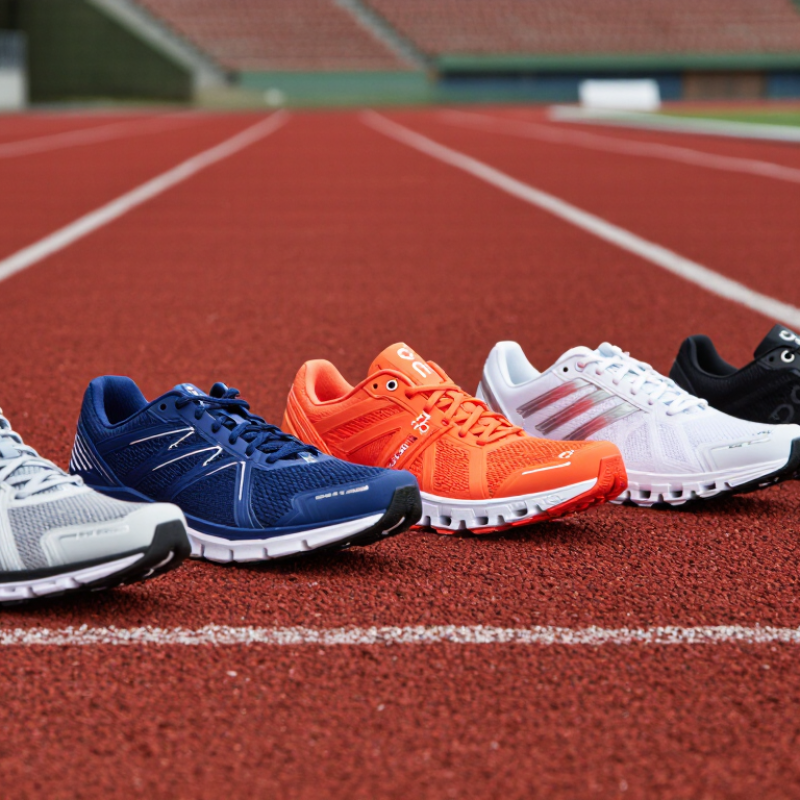
A reliable sourcing process examines fit, materials, production control, and regional demand. A sample should be inspected on a real track, not only inside a showroom. Check the heel counter, midsole rebound, toe-box width, outsole grip, and stitching around the collar. Compare laboratory results with practical wear tests. Intertek, SGS, and ISO-based testing can support checks for abrasion, bonding strength, flex resistance, and material safety. Circana’s sporting goods research also shows that consumer purchases increasingly reflect comfort, versatility, and value. Those signals matter when selecting styles for different climates and running habits.

Supplier visits add useful context. A clean cutting floor, traceable materials, and consistent size grading reveal more than a polished catalog. Yet no audit guarantees perfect production. Defects may appear after humid shipping, repeated washing, or sudden order increases. This is where sourcing decisions need humility. Forecasts can be wrong. A lightweight mesh that performs well in London may feel too open in heavy rain. A firm foam may suit trained runners but disappoint casual buyers. The strongest global strategy combines published market data, independent testing, factory verification, and honest post-purchase feedback. Performance must survive beyond the sample room.

How to Source the Best Running Sneakers Globally?

Define Running Needs and Sourcing Criteria

Sourcing the best running sneakers globally begins with a clear definition of the runner. Daily road mileage, terrain, pace, foot width, climate, and injury history should shape every requirement. Fit comes first. A lightweight racing model may fail during slow, high-mileage training. A durable outsole may feel too rigid during short intervals.

Industry data supports this practical approach. Running USA’s 2023 State of the Running Industry Report recorded continued growth in U.S. road-race participation after the pandemic disruption. More runners create wider needs, not one universal design. The World Athletics Competition and Technical Rules also specify limits for competition footwear, including a 40-millimeter sole-height limit for road-running shoes and restrictions on embedded plates. These details matter when sourcing products for competitive users.

Build a sourcing checklist around measurable criteria. Request lab data for cushioning compression, outsole abrasion, flex resistance, wet-surface traction, and upper tear strength. Check sizing consistency across production batches. Ask for wear-test results from runners with different weights and foot shapes. The ISO 20344 footwear testing framework can support basic performance verification, although it does not replace sport-specific testing. That distinction is important.

Do not trust impressive samples alone. Test it. A sample may feel excellent for ten minutes but create heat after ten kilometers. I would also compare factory claims with independent inspection results. My own preference for soft cushioning can distort judgment. A broader tester panel is safer, even when it slows purchasing decisions.

Map Global Markets and Identify Suitable Manufacturing Regions

Global sourcing starts with a market map, not a factory list. Divide regions by material access, labor capability, energy costs, transport links, and export reliability. A coastal manufacturing zone may reduce shipping time. An inland area may offer stronger stitching skills but slower delivery.

Our first map was wrong. We focused on low unit prices and missed seasonal port congestion. Now, we compare at least three regions before requesting quotations. We also study local climate conditions. Humid production rooms can affect adhesives, foam, and fabric storage. Dry, controlled facilities may cost more but reduce quality variation.

Factory visits should include production floors, storage areas, testing rooms, and worker facilities. Ask for sample records, material traceability, inspection procedures, and corrective action reports. A suitable region should support consistent outsole molding, accurate sizing, and stable color matching. It should also follow applicable labor, environmental, product safety, and trade requirements. Local experts can clarify regulations, but written evidence still matters.

Run a small pilot order. Measure defect rates, delivery accuracy, packaging strength, and customer fit feedback. Do not trust one successful sample. Real production often exposes weak points. A supplier may have excellent technicians but limited capacity during peak seasons. That detail can change the entire sourcing decision. Recheck assumptions every quarter. Costs, regulations, weather risks, and transport conditions can shift quickly.

How to Source the Best Running Sneakers Globally? — Map Global Markets and Identify Suitable Manufacturing Regions

Comparative sourcing map for performance running footwear. Ratings are practical procurement assessments based on publicly available trade, labor, infrastructure and footwear-industry information; they are not brand or company rankings.

Manufacturing Region Market Position in Global Footwear Running-Sneaker Manufacturing Strength Typical Product and Process Capabilities Material and Component Ecosystem Export and Logistics Profile Indicative Development Lead Time Cost Position Quality-System Readiness Best Use Case Key Sourcing Risks Overall Fit
Eastern and Southern China One of the world's largest footwear manufacturing and export bases, with a dense supplier network. Very High High-volume athletic footwear, engineered mesh uppers, molded midsoles, rubber outsoles, automated cutting and bonded construction. Very broad access to synthetic textiles, EVA and TPU compounds, molds, packaging and specialized components. Excellent port, road and supplier-cluster connectivity; strong export infrastructure. Prototype: 3–6 weeks; bulk production planning: 45–75 days after approved materials. Medium High Complex performance shoes, large-volume programs and multi-component platforms. Rising labor and compliance costs in some clusters; tariffs, policy changes and supplier concentration. 9.0 / 10
Northern and Southern Vietnam Major export-oriented footwear hub with strong integration into international supply chains. Very High Performance sneakers, athletic uppers, cemented construction, molded components and export-grade assembly. Strong access to imported and regional synthetic fabrics, rubber, foam and footwear components. Well-developed container ports and trade connectivity; efficient for North American and European programs. Prototype: 4–7 weeks; bulk production planning: 50–80 days after approval. Medium High Scalable running-shoe programs seeking diversified Asian production. Imported-material dependence, peak-season capacity pressure and labor availability in major clusters. 9.1 / 10
Java, Indonesia Established footwear production base with substantial export-oriented factory capacity. High Sports footwear assembly, rubber outsole production, stitched and cemented constructions, and medium-to-large production runs. Good access to rubber, synthetic textiles and regional components; some advanced inputs remain imported. Export-capable ports and a large manufacturing workforce; inter-island logistics require planning. Prototype: 4–8 weeks; bulk production planning: 55–90 days after approval. Medium High Cost-conscious performance footwear and diversified Southeast Asian sourcing. Port congestion risk, variable local infrastructure and dependence on imported technical materials. 8.5 / 10
Southern India Large footwear and leather-processing base supported by a substantial domestic labor and consumer market. High Running shoes, athletic casual footwear, leather and synthetic uppers, EVA components and labor-intensive assembly. Strong leather and textile availability; advanced performance compounds and specialized components may be imported. Major seaports and improving industrial corridors; inland transport performance varies by location. Prototype: 5–9 weeks; bulk production planning: 60–95 days after approval. Competitive Medium to High Value-focused running shoes, regional production and suppliers serving large order volumes. Longer development cycles for highly technical constructions; infrastructure and compliance consistency vary. 8.1 / 10
Bangladesh Important labor-intensive footwear and leather-goods manufacturing location with growing export capability. Medium Basic-to-mid-complexity athletic footwear, cemented construction, synthetic uppers and selected leather products. Leather and basic textile access is available; advanced foams, meshes and technical components are more import-dependent. Competitive labor base and access to seaports; logistics can be slower and less predictable than leading hubs. Prototype: 6–10 weeks; bulk production planning: 70–110 days after approval. Competitive Medium Price-sensitive products, simpler running silhouettes and supply-chain diversification. Port congestion, utility reliability, longer material pipelines and variable technical capability. 7.1 / 10
Türkiye Regional footwear manufacturing center positioned close to European and Middle Eastern markets. Medium to High Fast-turn footwear, small-to-medium production runs, leather and synthetic uppers, and flexible development. Good regional access to leather, textiles, rubber and footwear components; technical component depth varies by cluster. Strong road links to Europe and nearby markets; sea, road and air freight options support shorter replenishment cycles. Prototype: 3–6 weeks; bulk production planning: 40–75 days after approval. Medium High Nearshore European sourcing, seasonal collections and smaller minimum order quantities. Currency volatility, inflation and higher labor costs than South Asian alternatives. 8.0 / 10
Portugal Specialized European footwear manufacturing base known for flexible, quality-oriented production. Medium Premium athletic-lifestyle footwear, stitched and cemented construction, rapid sampling and detailed finishing. Strong European access to leather, textiles, rubber and components; highly technical sports components may be sourced internationally. Excellent access to the European Union market and relatively short regional replenishment routes. Prototype: 2–5 weeks; bulk production planning: 35–65 days after approval. Higher Very High Premium products, lower minimum orders, fast European delivery and quality-sensitive collections. Higher labor and operating costs; limited suitability for very large low-cost programs. 8.4 / 10
Italy High-value European footwear region with strong design, craftsmanship and specialized component capabilities. Medium Premium and technically detailed footwear, advanced finishing, small-batch development and complex material execution. Strong domestic and European component network, especially for leather, textiles, molds and finishing services. Reliable European logistics and proximity to major consumer markets; not optimized for lowest-cost mass production. Prototype: 2–6 weeks; bulk production planning: 40–80 days after approval. High Very High Premium technical-lifestyle footwear, limited editions and quality-led product development. High labor and compliance costs, limited capacity for large-volume price competition. 7.8 / 10
Brazil Large Latin American footwear producer with a substantial domestic market and regional export potential. Medium to High Sports and casual footwear, synthetic uppers, rubber and EVA components, and medium-to-large production runs. Strong domestic leather, rubber and synthetic-material base; imported technical inputs may increase cost and lead time. Useful for Latin American supply; ocean distance can make Asian-to-market replenishment less competitive. Prototype: 4–8 weeks; bulk production planning: 55–90 days after approval. Medium Medium to High Regional Latin American distribution and products using local materials. Tax complexity, inland freight distance, currency volatility and import-related delays. 7.6 / 10
Mexico Nearshore manufacturing location serving the North American market, with established footwear clusters. Medium Athletic and casual footwear, synthetic uppers, cemented construction and shorter replenishment programs. Access to leather and synthetic materials; advanced performance components may be imported from Asia or North America. Strong road connectivity with the United States and regional supply-chain advantages; port choice affects cost and timing. Prototype: 4–8 weeks; bulk production planning: 45–80 days after approval. Medium Medium to High North American nearshoring, faster replenishment and tariff-sensitive programs. Material import dependence, security and transportation variation, and uneven technical specialization. 7.7 / 10

Interpretation: The highest-fit regions for technically complex, high-volume running sneakers are generally China, Vietnam and Indonesia. India and Türkiye are strong alternatives for cost, regional access and diversification. Portugal and Italy are better suited to premium, flexible or smaller-batch programs. Lead times are planning ranges only and depend on material approval, tooling, testing, minimum order quantities, factory capacity and shipping method.

Reference basis: International Trade Centre Trade Map and UN Comtrade footwear trade classifications; World Bank logistics and infrastructure indicators; International Labour Organization labor-market information; European Commission market and transport information; national footwear-industry associations and customs data. Figures and assessments should be revalidated during supplier qualification and quotation.

Evaluate Suppliers, Materials, Construction, and Authenticity

How to Source the Best Running Sneakers Globally?
Reliable sourcing begins with supplier verification, not attractive product photos. Request business credentials, factory addresses, production records, and recent quality reports. I prefer suppliers who explain their process clearly. Vague answers often signal weak control. Ask for samples from the same production line, not showroom pieces. A sample may feel excellent, yet bulk production can vary. That risk deserves written inspection standards and agreed tolerances.
Tips: Check stitching under bright light. Press the heel counter. Bend the sole slowly. Compare weight across samples. Keep every document.
Materials affect comfort, durability, and performance. Review the upper’s breathability, foam density, outsole rubber, and adhesive coverage. Ask for material specifications and test results where available. Construction details matter too. Uneven seams, exposed glue, or a loose insole may reveal rushed assembly. I once focused too much on cushioning and overlooked heel stability. That was a useful mistake. Running shoes should match the intended terrain, climate, and user profile.
Authenticity requires more than packaging. Verify purchase records, product codes, factory markings, and consistent details across multiple pairs. Use independent inspections before shipment when possible. Compare labels, stitching patterns, logos, and box information with verified reference samples. Avoid suppliers who pressure quick payment or reject reasonable verification. No method is perfect, and documents can be incomplete. Careful sourcing means recording uncertainties instead of pretending they do not exist.

Verify Quality Standards, Compliance, Pricing, and Logistics

How to Source the Best Running Sneakers Globally?

Quality verification should begin with a clear product brief. Define cushioning, outsole grip, upper materials, weight, and expected mileage. Request material samples before approving a factory sample. Check stitching, bonding, heel alignment, and flex performance by hand. Independent laboratories can test abrasion, slip resistance, colorfastness, and harmful substances. Factory audits should review equipment, worker training, traceability, and inspection records. A polished sample can still hide weak production controls.
Compliance depends on the destination market. Confirm chemical restrictions, labeling rules, packaging requirements, and product documentation before placing an order. Ask suppliers for current test reports, but verify the issuing laboratory independently. Do not treat one certificate as universal approval. Requirements differ between countries. They change too. That detail is easy to miss.
Pricing must include more than the factory quote. Calculate samples, tooling, testing, duties, insurance, storage, and inland transport. Compare landed costs, not only unit prices. Very low pricing may signal thinner materials or rushed inspections. Logistics also need practical checks: carton strength, moisture protection, production lead time, port schedules, and backup routes. A small pilot shipment can reveal packing damage and customs delays. No checklist is perfect. Even experienced buyers should revisit assumptions when weather, currency, or regulations shift.

Select Reliable Partners and Establish a Long-Term Sourcing Process

How to Source the Best Running Sneakers Globally?

A reliable sourcing process starts with evidence, not attractive samples. The World Footwear Yearbook 2024 reported approximately 23.9 billion pairs of footwear were produced globally in 2023. This scale creates choice, but also inconsistency. I recommend screening factories through production records, material traceability, testing capacity, and worker-safety documentation. Ask for recent test reports, not promises.

Build a partner shortlist around product expertise and communication speed. A running sneaker needs stable cushioning, durable outsoles, breathable uppers, and consistent sizing. Send the same technical sheet to every supplier. Compare compression recovery, flex resistance, bonding strength, and wear-test results. The SATRA Footwear Testing report highlights the importance of laboratory testing for performance and durability. Still, laboratory results cannot replace real runners. Test samples on wet pavements, uneven paths, and long weekend sessions.

Long-term sourcing needs a shared operating rhythm. Use quarterly scorecards covering defect rates, delivery accuracy, sample revisions, and corrective-action speed. Keep a second qualified factory where possible. It reduces disruption when capacity changes. McKinsey’s Sporting Goods 2024 report describes continued pressure on margins and supply-chain flexibility, making early planning essential.

My own process would include monthly video inspections and seasonal forecast reviews. It is not perfect. Supplier data can be incomplete, and field testing often exposes problems that paperwork misses. That discomfort is useful. Reliable partnerships improve when both sides record failures honestly and fix them before the next production run.