Top 10 Tips for Choosing the Best Soccer Shoes for Maximum Performance
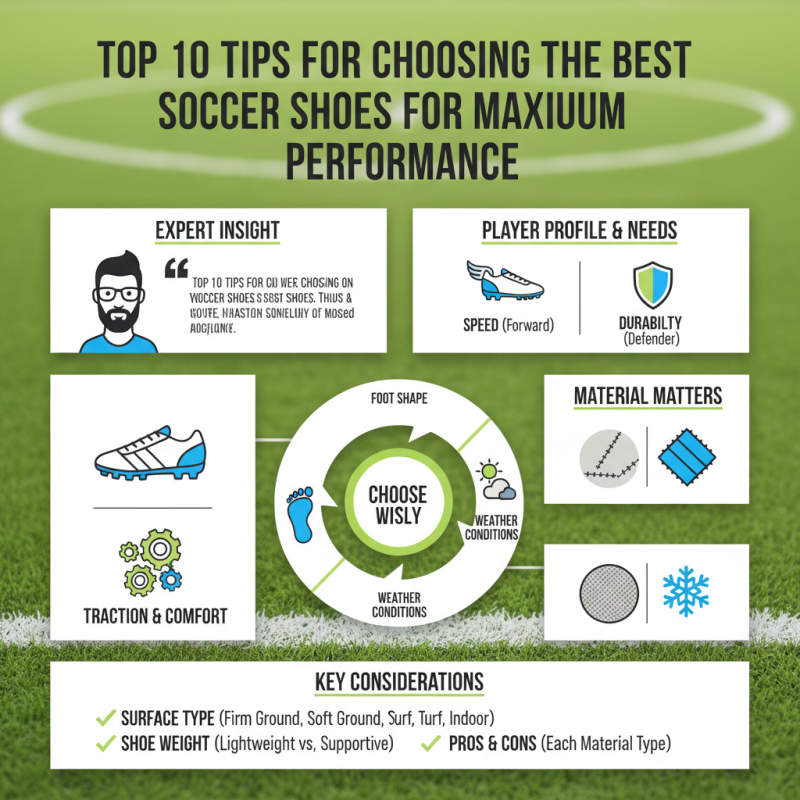
Choosing the right soccer shoes can significantly enhance your performance on the field. Renowned soccer footwear expert, Michael "Doc" Leal, states, "The right soccer shoes can be the difference between victory and defeat." Soccer shoes, designed for specific playing surfaces, play a crucial role in providing traction and comfort.
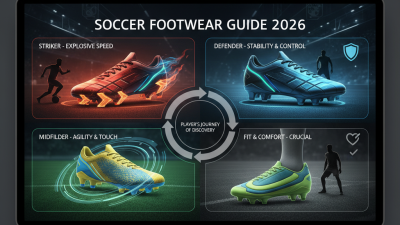
Each player's needs are unique. For instance, a forward may prefer lightweight shoes for speed, while a defender might prioritize durability. The materials used can impact both the feel and performance of the shoe. Players must often reflect on their playing style to select the best option.
There’s no one-size-fits-all when it comes to soccer shoes. Players should consider their foot shape, playing position, and even the weather conditions of game day. Making the right choice isn't always easy. Many players find themselves overwhelmed by the variety of options available. Hence, understanding how to choose wisely is essential for any aspiring athlete.
Understanding Different Types of Soccer Shoes for Various Playing Surfaces
Choosing the right soccer shoes can significantly impact your game. Different playing surfaces require specific types of footwear. For instance, firm ground shoes have studs designed for grass pitches. These studs provide excellent traction and stability, allowing quick turns and sprints. They are ideal for dry, natural fields.
On the other hand, artificial ground shoes feature a flat outsole with rubber studs. These shoes work well on synthetic surfaces, offering better grip and comfort. They help prevent slipping while maintaining balance during play. Players should also consider indoor shoes. These have a smooth, non-marking outsole, perfect for indoor arenas.
Reflection on shoe selection is vital. Players often choose visually appealing designs instead of functionality. Comfort and fit are paramount. Ill-fitting shoes can cause blisters and affect performance. Understanding the specific demands of each playing surface will lead to better choices. Prioritizing the right features over appearance ensures maximum performance on the field.
Top 10 Tips for Choosing the Best Soccer Shoes for Maximum Performance
This chart shows the average performance rating of different types of soccer shoes based on their suitability for various playing surfaces such as grass, turf, and indoor. The ratings are on a scale of 1 to 10, where 10 represents the highest performance level.
Key Features to Consider When Selecting Soccer Shoes for Performance
Choosing the right soccer shoes is crucial for performance. Players should consider several key features before making a decision. The type of stud pattern, for instance, affects traction on different surfaces. According to a study by the Journal of Sports Sciences, proper stud configuration can enhance grip by up to 30%. This means players can make sharper cuts and quicker movements.
Another important factor is weight. Lighter shoes allow for faster acceleration. Data from the American Journal of Sports Medicine indicates that a reduction of 100 grams in shoe weight can improve running speed by up to 1.4%. However, lighter shoes may also sacrifice durability and support, which are key for preventing injuries. Players need to strike a balance that suits their style.
Finally, fit and comfort cannot be overlooked. A poorly fitting shoe can lead to blisters and decreased performance. A survey by the National Athletic Trainers’ Association revealed that 53% of athletes reported foot pain linked to improper footwear. Trying on shoes and considering materials is essential. This process is not foolproof; personal preference plays a big role. It requires reflection and adjustment to find the ideal match for each player's needs.
Top 10 Tips for Choosing the Best Soccer Shoes for Maximum Performance
| Feature |
Importance |
Recommended Types |
| Fit |
Crucial for comfort and performance |
Fitted, snug models |
| Material |
Affects durability and touch |
K-leather, synthetic |
| Stud Configuration |
Impacts traction and stability |
Conical, bladed, mixed |
| Weight |
Influences speed and agility |
Lightweight models |
| Cushioning |
Enhances comfort during play |
Foam padded, gel inserts |
| Ankle Support |
Prevents injuries |
Mid-top designs |
| Traction |
Critical for quick movements |
Firm ground, soft ground |
| Breathability |
Important for comfort
during prolonged play |
Mesh uppers, perforated |
| Price |
Must balance quality and budget |
Varies widely |
| Aesthetics |
Personal style preference |
Variety of designs |
The Importance of Proper Fit: How to Measure Your Soccer Shoe Size
Choosing the right soccer shoes starts with measuring your foot. A proper fit can enhance performance and prevent injuries. Many players overlook this step, but studies show that up to 70% of soccer players wear incorrect sizes. This can lead to blisters, discomfort, and reduced agility on the field.
To measure your soccer shoe size, follow a simple process. Place a piece of paper on the floor and stand on it. Trace your foot, then measure the length from heel to toe. This detail helps ensure you choose the right size. Consider trying on shoes at the end of the day when your feet are slightly swollen. This can give you a more accurate fit.
Another aspect to consider is the width of your foot. Many players are unaware that shoe width affects comfort and performance. Many brands offer various widths, but some players might stick to a single type regardless of their foot shape. This mistake can hinder their performance during crucial moments in a game, like making a sprint or a sharp cut. Taking time to measure both length and width can be a game-changer.
Material Insights: Choosing Between Leather, Synthetic, and Mesh Options
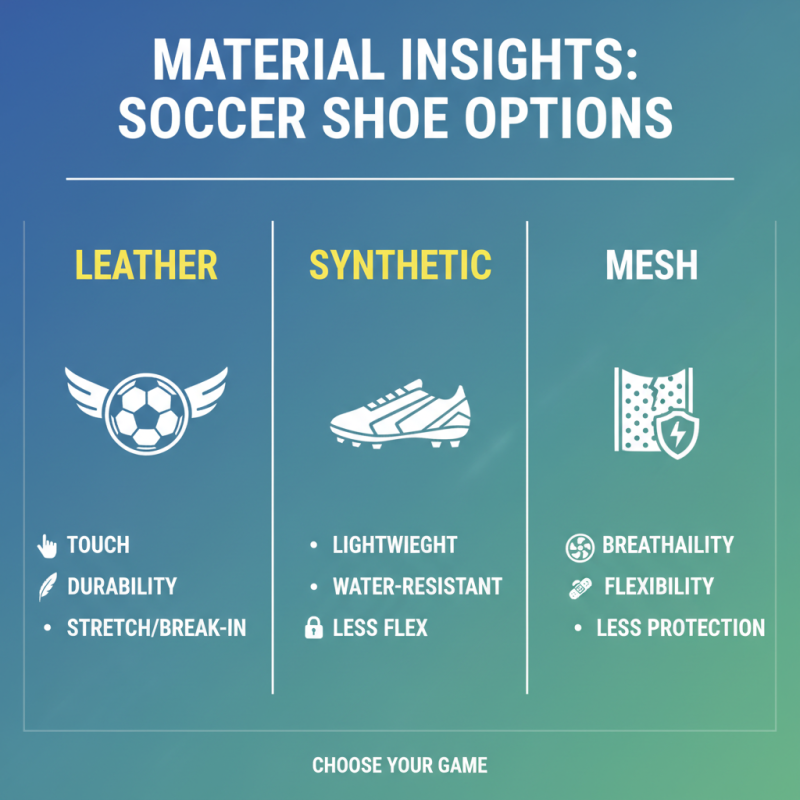
When selecting soccer shoes, material significantly impacts performance. Leather, synthetic, and mesh options each have unique benefits and drawbacks. Leather offers an excellent touch and durability. However, it can stretch and may require a break-in period. This may lead to blisters or discomfort initially.
Synthetic materials are lighter and often more water-resistant. They provide a snug fit, which can enhance control. Yet, synthetic shoes may lack the breathability of leather, leading to sweaty feet. This is a crucial consideration for players who prioritize comfort during long matches.
Mesh shoes are optimal for breathability. They keep your feet cool and dry, ideal for hot weather. However, they often compromise on durability. Frequent wear on rough surfaces can lead to quicker wear and tear. Players may find themselves needing replacements sooner. Each material presents advantages and challenges, requiring careful reflection on your playing style and conditions.
Analyzing Style and Design: How They Impact Performance and Comfort
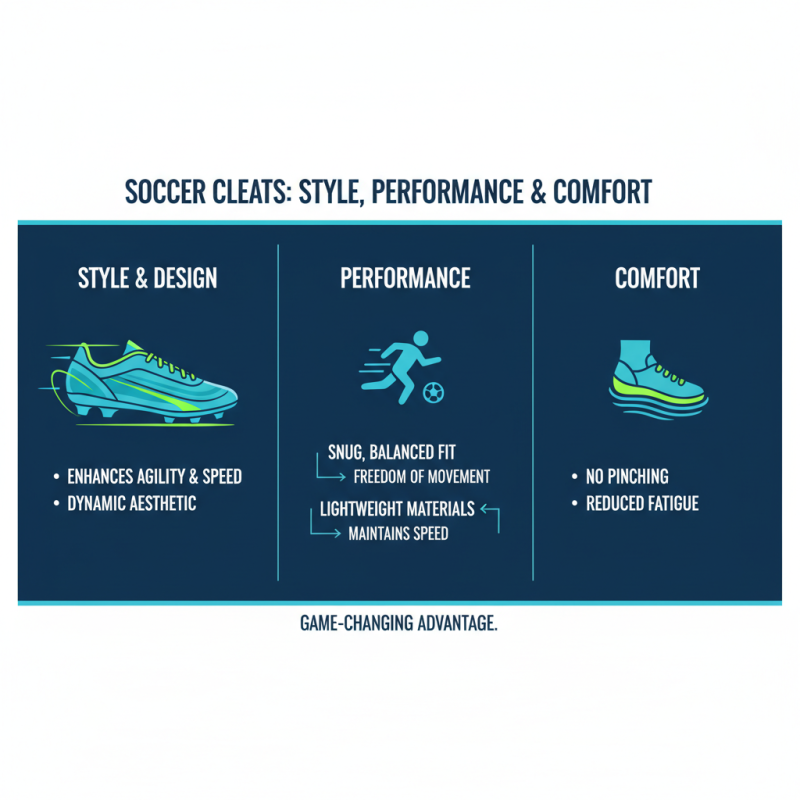
When it comes to soccer shoes, style and design play crucial roles in performance and comfort. A well-designed shoe can enhance your agility and speed on the field. The fit must be snug but not too tight. This balance ensures that players can move freely without pinching their feet. Look for shoes that use lightweight materials. These materials help maintain speed during intense matches.
Tips for choosing soccer shoes include understanding the type of field you’ll play on. Firm-ground shoes work great on natural grass, while turf shoes excel on artificial surfaces. Design features, such as stud configuration, affect traction and maneuverability. A shoe with the right stud pattern can prevent slipping and help with quick direction changes. Pay attention to the shape of the shoe as well. A broader toe box may suit players with wider feet better.
Evaluating comfort is essential. Shoes should feel good even after long wear. Players often overlook this aspect and suffer later. Take time to try on different styles. Walk around and ensure there's no discomfort. Remember, what looks good may not always feel right. A little reflection on your needs can lead to better choices.