Top 10 Tips for Choosing the Best Sports Shoes for Every Activity
When it comes to engaging in sports and physical activities, the importance of selecting the right sports shoes cannot be overstated. According to a report by the American Podiatric Medical Association, nearly 75% of Americans experience foot problems at some point in their lives, many of which can be attributed to improper footwear. Sports shoes not only provide the necessary support and cushioning for various activities but also play a crucial role in injury prevention. With an increased focus on health and fitness, the global sports footwear market is projected to reach USD 114.2 billion by 2025, highlighting the growing demand for specialized sporting gear that meets specific activity requirements.
Choosing the best sports shoes is essential for maximizing performance, comfort, and overall enjoyment while participating in different sports or exercises. Whether you're a runner, a gym enthusiast, or a casual player, understanding the unique features and technologies of sports shoes is vital. Factors such as fit, foot type, and activity-specific design are pivotal in ensuring that your footwear enhances your athletic experience. As a consumer, making an informed decision can lead to improved performance and reduced risk of injury, making it essential to explore key considerations when selecting sports shoes for every activity.
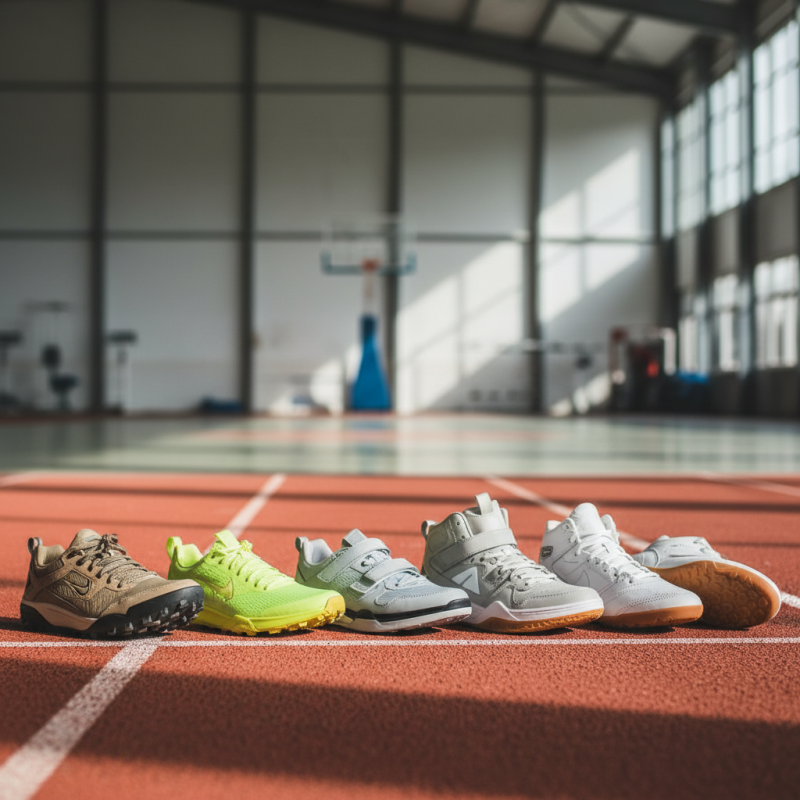
Understanding the Different Types of Sports Shoes for Various Activities
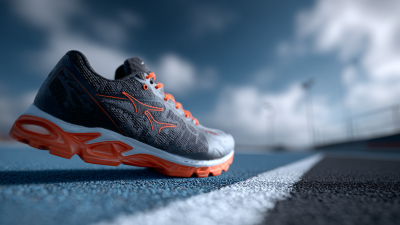
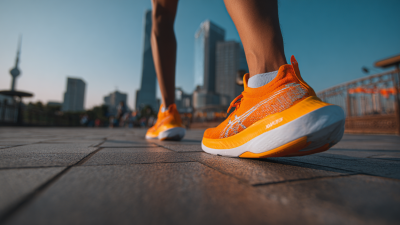
When it comes to selecting the right sports shoes, understanding the different types available for various activities is crucial. Each sport or fitness routine has specific demands on the feet, which means that one type of shoe may not be suitable for another. For instance, running shoes are designed with cushioning to absorb impact and provide stability, making them ideal for long-distance runners. Their lightweight materials and breathable designs contribute to comfort over extended periods, allowing athletes to maintain an efficient stride.
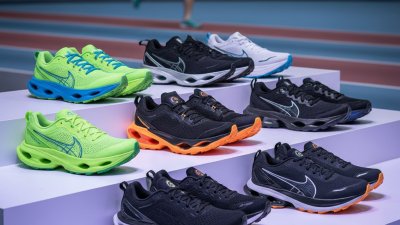
On the other hand, court shoes, like those used in basketball or tennis, offer lateral support and a sturdy grip tailored for quick side-to-side movements. These shoes often have a flatter sole and reinforced toe area to withstand the rigors of intense gameplay. Similarly, trail running shoes feature deeper treads for better traction on uneven surfaces, ensuring that runners can navigate challenging terrains safely. By understanding the unique characteristics of each type of sports shoe, individuals can make informed choices that enhance their performance and reduce the risk of injury, tailored specifically to their sports needs.
Evaluating Fit and Comfort: Key Considerations for Sports Shoe Selection
When evaluating fit and comfort for sports shoes, it's essential to begin with your actual foot measurements. Ensure that both feet are measured, as many people have size discrepancies. When trying on shoes, do so at the end of the day when your feet are slightly swollen, or after a workout, to get a better sense of how they'll feel during activity. The shoe should provide a snug fit in the heel and midfoot, while allowing enough room in the toe box to wiggle your toes without feeling cramped.
Additionally, consider the shape of the shoe's footbed in relation to your arch type—whether you have flat, neutral, or high arches. Shoes that match your arch type can significantly enhance stability and comfort during exercise. Cushioning is another key factor; different activities require varying levels of cushioning based on the impact they'll have on your feet. For instance, running shoes might offer more cushioning than cross-trainers, which are designed for multidirectional movements. Pay attention to the materials as well, ensuring they provide breathability and moisture-wicking capabilities to keep your feet comfortable and dry throughout your activities.
Fit and Comfort Ratings for Different Sports Shoes
Material Matters: Choosing the Right Fabric for Performance and Durability
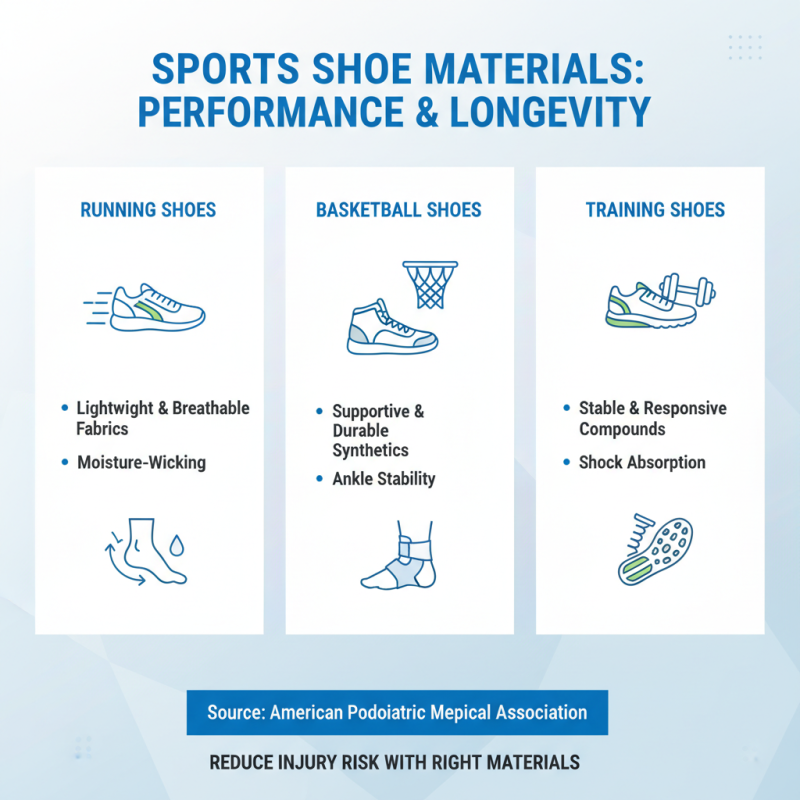
When it comes to selecting the ideal sports shoes, the material is a critical factor that directly influences performance and longevity. Different activities demand specific fabric properties that enhance functionality. For instance, running shoes typically benefit from lightweight and breathable materials that provide moisture-wicking capabilities, helping to keep the feet dry and comfortable throughout extended runs. According to a report by the American Podiatric Medical Association, proper footwear can significantly reduce the risk of injuries, with the right materials being crucial for shock absorption and support.
Moreover, for activities like basketball or tennis, sturdier materials such as synthetic leather or mesh are often preferred. These fabrics can offer increased durability and lateral support, vital for high-impact, agile movements on the court. A study published in the Journal of Sports Sciences highlights that shoes made from advanced synthetic materials can improve both traction and stability, providing athletes with a competitive edge. Selecting the right fabric not only enhances performance but also plays a vital role in ensuring athletes can safely push their limits, making informed material choices essential for every sports enthusiast.
Analyzing Cushioning and Support Features in Sports Footwear
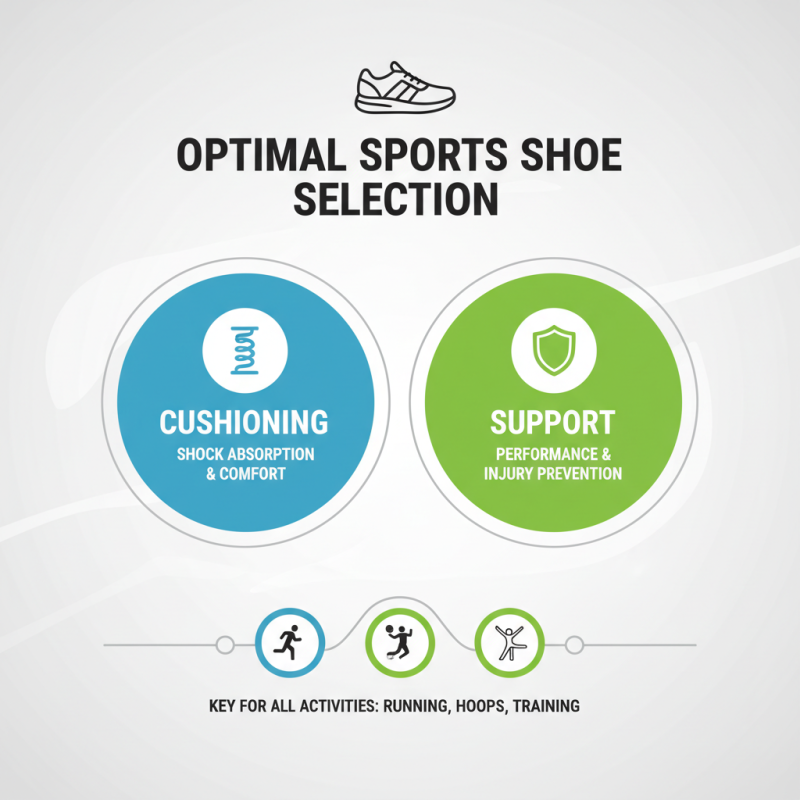
When it comes to selecting the perfect sports shoes, paying close attention to cushioning and support features is essential. These elements play a crucial role in enhancing performance and preventing injuries across various activities. Shoes with proper cushioning can absorb shock and provide a comfortable response to impact, which is important whether you're running, playing basketball, or engaging in high-impact aerobics.
When evaluating different options, consider the type of activity you'll be doing. For instance, if you're a runner, look for shoes with ample cushioning that offers a responsive ride to support your natural gait. On the other hand, if you participate in weight training or cross-training, a minimalist design that provides a stable base and less cushioning may be more beneficial.
To find the best fit, it’s vital to test shoes by walking or jogging in them. A well-cushioned shoe should provide comfort without causing instability. Additionally, assess the arch support to ensure it aligns with your foot type. Proper support can enhance your performance and ensure that you remain injury-free during your activities.
Considering Activity-Specific Design Elements for Enhanced Performance
Choosing the right sports shoes is crucial for optimizing performance in various activities. Each sport demands specific features in footwear that can enhance comfort, support, and functionality. According to a recent report by the Sports Footwear Association, approximately 70% of athletes experience improved performance when using activity-specific shoes versus general-purpose footwear. This highlights the importance of selecting shoes designed to meet the unique demands of your chosen sport.
When evaluating shoes, consider the activity-specific design elements such as cushioning, stability, and traction. For instance, running shoes typically feature lightweight materials and exceptional cushioning to absorb impact, whereas basketball shoes offer heightened ankle support and grip for quick lateral movements. Ensure the shoe's structure complements the biomechanics of your activity to prevent injuries.
Tip: Always try on shoes at the end of the day when your feet are most swollen, ensuring you get an accurate fit. Additionally, dedicate time to research the specific features that are necessary for your sport's movements. A study by the American Academy of Podiatric Sports Medicine found that the right footwear significantly reduces the risk of common injuries, further emphasizing the need for careful selection.
Top 10 Tips for Choosing the Best Sports Shoes for Every Activity
| Activity |
Key Features to Consider |
Recommended Sole Type |
Breathability |
Weight |
| Running |
Cushioning, Arch Support |
Thick Foam |
High |
Lightweight |
| Basketball |
Ankle Support, Traction |
Rubber |
Moderate |
Medium |
| Tennis |
Stability, Lateral Support |
Non-Marking Rubber |
High |
Medium |
| Hiking |
Durability, Water-Resistance |
Stiff Sole |
Moderate |
Heavy |
| Soccer |
Fit, Traction |
Studs |
Moderate |
Lightweight |
| Walking |
Comfort, Padding |
Flexible |
High |
Lightweight |
| CrossFit |
Versatility, Stability |
Flat Sole |
Moderate |
Medium |
| Cycling |
Stiffness, Clip Compatibility |
Rigid Sole |
Low |
Lightweight |
| Dance |
Flexibility, Comfort |
Split Sole |
High |
Lightweight |
| Martial Arts |
Grip, Lightweight |
Thin Sole |
High |
Very Lightweight |