China Top Casual Running Shoes Manufacturers?
China remains a central force in global footwear manufacturing, especially for brands seeking scalable Casual Running Shoes production. The World Footwear Yearbook 2024 reported that China produced approximately 55.5% of the world’s footwear in 2023. That share is significant. However, production volume alone does not prove manufacturing excellence.
This guide examines China’s top Casual Running Shoes manufacturers through practical business criteria. These include material consistency, outsole testing, mold capability, minimum order quantities, lead times, and export experience. A reliable supplier should explain its foam density, rubber compound, upper construction, and quality-control process clearly. Factory visits, sample comparisons, and third-party audits can reveal details that websites often hide. A clean showroom is not enough.
Market demand is also changing. McKinsey’s Sporting Goods 2024 analysis describes continued growth in sports and active-lifestyle consumption, while consumers increasingly expect comfort, durability, and versatile styling. Casual running designs now appear in commuting, travel, and everyday wardrobes. This creates opportunities for Chinese manufacturers with flexible development teams and responsive supply chains.
Still, supplier rankings require caution. Public information may be incomplete, and “top” can mean different things to different buyers. One factory may excel at premium knit uppers, while another handles large-volume private-label orders better. Some claims deserve verification. This article therefore focuses on observable capabilities, documented certifications, communication quality, and buyer suitability rather than promotional language. The goal is practical selection, not a perfect list. That distinction matters.
China’s Casual Running Shoe Manufacturing Industry
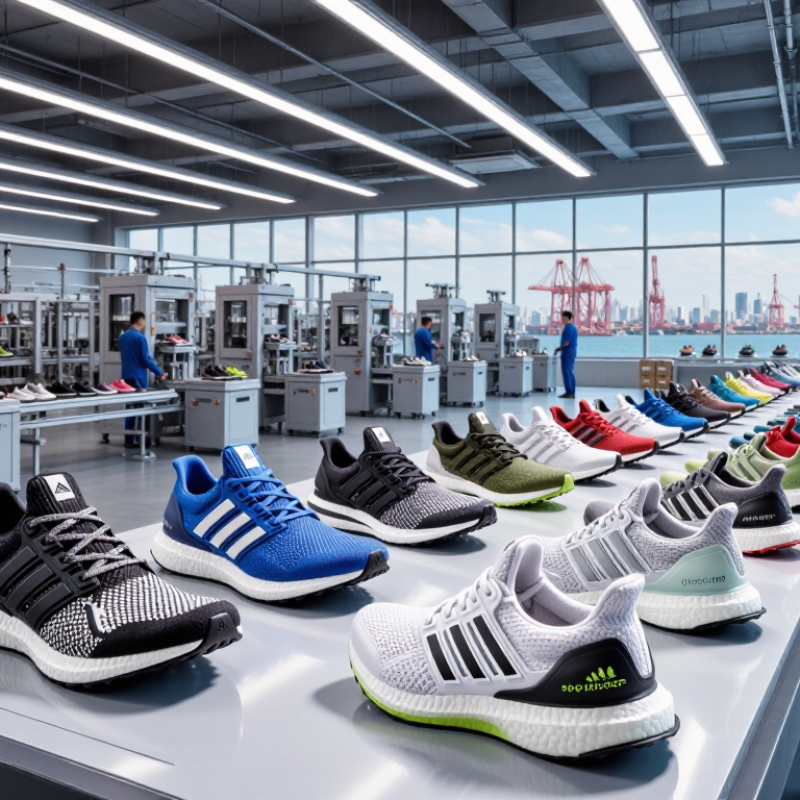
China’s casual running shoe manufacturing industry serves both everyday comfort and light athletic use. Factories commonly combine breathable mesh, synthetic overlays, rubber outsoles, and lightweight EVA cushioning. These materials suit commuting, walking, travel, and relaxed weekend activities. Production often includes computerized cutting, stitched uppers, adhesive bonding, and compression molding. However, machinery alone does not guarantee consistent quality.
In practical factory evaluations, I look beyond product photos. A reliable manufacturer should explain material specifications, production capacity, sample approval, and inspection procedures clearly. Useful checks include flex testing, outsole bonding tests, size measurements, and color comparisons under natural light. Workers should also maintain clean assembly areas and traceable batch records. Small defects matter. Uneven stitching or a loose heel counter can quickly affect comfort and returns. No factory is perfect, and some production claims need independent verification. That is where careful communication becomes valuable.
Tips: Request a physical sample before confirming bulk production. Compare the sample with the approved specification sheet. Ask how the factory handles material shortages, failed inspections, and late deliveries. Check whether casual running shoes remain comfortable after repeated bending. A factory may offer attractive prices, yet weak quality control can cost more later. Keep expectations realistic. Supplier selection should balance craftsmanship, testing, communication, and production stability.
Key Features of Leading Chinese Casual Running Shoe Manufacturers
Leading Chinese casual running shoe manufacturers combine practical design with disciplined production. Their strongest feature is material control, from breathable mesh uppers to flexible rubber outsoles. Experienced factories test cushioning, bending resistance, grip, and stitching before bulk production. These checks matter during long walks, light training, and daily commuting.
Many manufacturers also offer adaptable development services. They can adjust heel support, outsole patterns, colors, and packaging for different markets. Skilled technicians review digital samples, then compare them with physical prototypes. Good suppliers maintain written inspection standards and traceable production records. Clear communication helps prevent incorrect sizing and uneven finishing. Small details count.
Still, no factory gets everything right. A sample may feel comfortable but perform poorly after repeated bending. That weakness deserves another test. Reliable manufacturers welcome third-party inspections and explain material limits honestly. They should provide consistent timelines, transparent quotations, and documented quality procedures. Responsible production also includes safer workplace practices and controlled waste handling. Certifications can support trust, but they should not replace direct verification. Buyers gain better results when they visit facilities, inspect samples, and question unclear claims. Cost matters, yet the cheapest quotation may hide thinner materials or weaker quality control. The best partnership develops through evidence, testing, and regular feedback.
Materials, Technology, and Quality Standards
China’s leading casual running shoe manufacturers compete through materials, production control, and measurable quality.
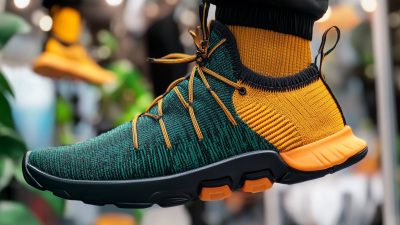
Engineered mesh can improve airflow around the forefoot. Reinforced toe caps help resist daily scuffing. Many factories combine EVA foam midsoles with rubber or carbon-rubber outsoles. The balance matters. Soft foam feels comfortable, but excessive softness may reduce stability during long walks. Recycled polyester is increasingly used, although its performance still depends on fiber quality and knitting density.
Modern production often includes computer-controlled cutting, precise molding, and automated adhesive application. These processes reduce variation between pairs. Skilled technicians still inspect stitching, bonding, and edge finishing by hand. Technology helps. It does not replace judgment. During product development, experienced teams should test samples on pavement, tile, and indoor floors. They should also examine flexing, abrasion, slip resistance, odor, and color fastness under practical conditions.
Reliable manufacturers normally operate documented quality systems, such as ISO 9001-based procedures, while meeting destination-market chemical and labeling requirements. Incoming materials need batch records and supplier checks. Finished shoes should receive size, weight, sole-bonding, and visual inspections. AQL sampling can support shipment decisions, but it cannot reveal every hidden weakness. A loose seam may appear after repeated wear. That is why independent testing and factory audits remain valuable. Fit matters too. Measurements can pass inspection while the shoe still feels narrow. Feedback from real users should influence the next sample.
How to Evaluate and Select a Reliable Manufacturer
China Top Casual Running Shoes Manufacturers?
How to Evaluate and Select a Reliable Manufacturer
Choosing a reliable casual running shoe manufacturer requires more than comparing prices. Start by checking factory experience, production capacity, and product specialization. Ask for business licenses, factory photographs, and recent quality records. A serious supplier should explain its materials, stitching methods, outsole construction, and inspection process clearly.
Request samples made with the same materials and production methods as your planned order. Check the shoe’s weight, flexibility, bonding strength, cushioning, and size consistency. Wear-test the sample on pavement, indoor flooring, and uneven paths. Small defects matter. Loose threads, uneven glue, or a rough collar may signal weak process control. Ask whether the factory uses incoming material checks and final inspections. Written inspection standards are more reliable than verbal promises.
Communication also reveals professional ability. Test how quickly the manufacturer answers technical questions and handles a sample revision. Confirm minimum order quantities, lead times, packaging details, payment terms, and remedies for defective goods in writing. Independent factory audits and third-party product testing can reduce uncertainty. However, no checklist is perfect. A polished showroom may hide production limits, while a modest facility may provide careful workmanship. Recheck capacity during busy seasons and compare records with actual samples. Leave room for mistakes, but do not ignore repeated ones.
How to Evaluate and Select a Reliable China Casual Running Shoes Manufacturer
This 100-point evaluation model prioritizes product quality, compliance, production consistency, delivery performance, communication, and commercial terms. It is designed for comparing manufacturers without relying on company or brand data.
Before placing an order, verify each area through samples, factory audits, quality records, compliance documents, production references, and written commercial terms.