Top 10 Running Trainers for Comfort and Performance in 2023
In 2023, the world of running trainers has witnessed significant advancements in technology and design, prioritizing both comfort and performance for runners of all levels. As fitness enthusiasts gear up to tackle their next running challenge, the right pair of shoes can make all the difference in achieving personal bests and maintaining peak physical health. With numerous options flooding the market, it becomes a daunting task to identify which running trainers truly stand out.
To help you navigate this landscape, we have compiled a list of the top 10 running trainers that not only maximize comfort but also enhance performance on any terrain. From cushioned soles that absorb impact to lightweight materials that promote speed, these selections cater to diverse needs and preferences. Whether you are a seasoned marathon runner or a casual jogger, investing in the right pair of running trainers is essential for an enjoyable and successful running experience. Join us as we explore these top picks and the innovative features that set them apart in the competitive world of athletic footwear.
Top Running Trainers: Key Features for Enhanced Comfort and Performance
When selecting running trainers, key features play a crucial role in enhancing both comfort and performance. One of the most important factors is cushioning technology. Advanced cushioning systems, such as gel inserts or foam midsole designs, help absorb impact and reduce strain on joints, making each stride feel lighter and more comfortable. A well-cushioned trainer not only enhances performance by allowing for longer runs but also minimizes the risk of injury, ensuring runners can train consistently.
Another essential aspect to consider is fit and support. A proper fit provides stability during runs, with specific designs catering to various foot shapes and arch types. Trainers that feature a snug heel counter and breathable upper materials can significantly improve the overall running experience. Additionally, lightweight construction contributes to speed and agility, making trainers ideal for both casual joggers and serious athletes alike. By focusing on these key features, runners can find the perfect pair of trainers that deliver exceptional comfort without compromising performance.
Performance Metrics: How Design Influences Running Efficiency
When considering distance running performance, several physiological determinants play crucial roles, particularly in how shoe design influences efficiency. Key aspects include foot muscle strength, running economy, and the impact of footwear weight on performance. Properly designed trainers can enhance the function of foot muscles, which are vital for maintaining an efficient running gait. Studies have shown that exercises targeting these muscles can improve lactate threshold velocity, allowing runners to sustain higher speeds for longer periods.
**Tips:** Focus on footwear that balances comfort and weight, as lighter shoes tend to improve running economy, allowing for better endurance. Additionally, incorporating foot muscle strengthening exercises into your training regimen can lead to substantial performance benefits. Regularly assessing your running form and shift patterns can also help in identifying the best shoe design for your unique biomechanics, ultimately enhancing your overall running experience.
Advancements in running shoe technology are increasingly informed by scientific research, emphasizing the importance of shoe features that cater to the physiological needs of runners. Shoes designed for optimal support can mitigate injury risks and improve performance metrics, reinforcing the idea that thoughtful design translates to better running efficiency and comfort.
Top 10 Running Trainers for Comfort and Performance in 2023
Cushioning Technology: Analyzing Impact on Joint Health and Comfort
Cushioning technology in running shoes has seen significant advancements over recent years, particularly in its impact on joint health and overall comfort for athletes and casual runners alike. Studies indicate that effective cushioning can reduce the impact forces on knees and joints, which is crucial for those prone to injuries like runner's knee and patellofemoral pain syndrome. For instance, research shows that shoes with superior cushioning can decrease ground reaction forces by as much as 30%, leading to a lower risk of injury during both running and walking activities.
Furthermore, many runners now prioritize not just the feel of their shoes but also the science behind their construction. According to podiatric experts, the ideal running shoe should balance comfort and stability, ensuring that the runner's foot is well-supported without sacrificing the soft landing that cushioning provides. With brands focusing on plush designs that deliver both performance and comfort, recent consumer testing has highlighted that shoes with enhanced cushioning systems can significantly alleviate discomfort during long-distance runs, making them an essential investment for those looking to maintain joint health while enjoying their running experience.
Weight and Fit: Evaluating the Importance for Endurance and Speed
When selecting running trainers, two critical factors stand out:
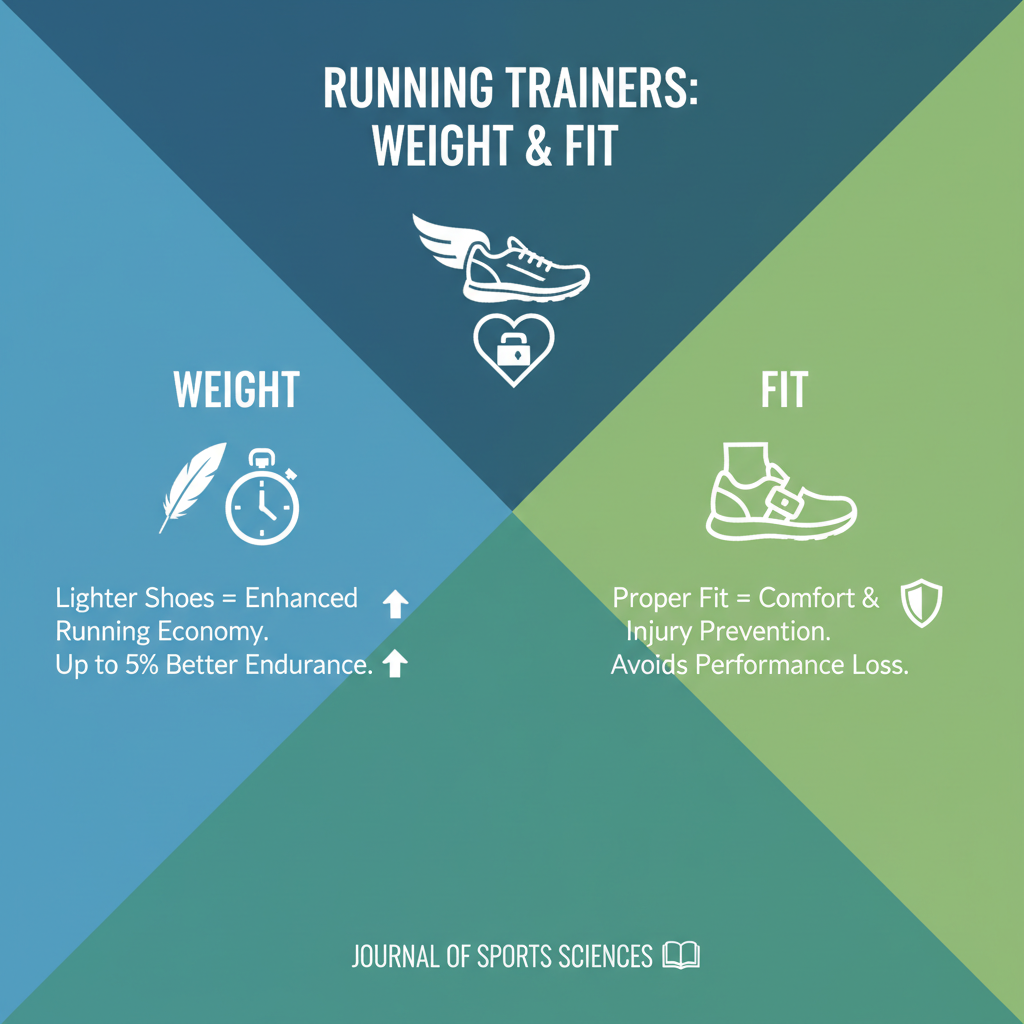
weight and fit. Research from
the Journal of Sports Sciences highlights that lighter shoes can enhance running economy, potentially
improving endurance by up to 5%. For serious runners, this can mean the difference between achieving
personal bests or falling short. However, a shoe that is too light without proper fit may lead to discomfort or
injury, ultimately undermining performance.
A perfect fit is essential for maximizing speed and comfort. According to a study published by the
American College of Sports Medicine, shoes that do not fit well can increase the risk of blisters and
other injuries by 20%. Therefore, ensuring your trainers fit snugly while providing adequate
room in the toe box is crucial. This balance helps maintain stability and prevents foot slippage during
vigorous activity.
Tips: Always try new trainers with the socks you plan to wear for running, and test them on
various surfaces to evaluate comfort. Keep in mind that brand sizing can vary, so don’t hesitate to try
multiple options until you find the best fit for your foot shape. Regularly replace worn-out trainers to
maintain optimal performance and prevent injuries.
User Reviews: Correlating Experiences with Measurable Performance Outcomes
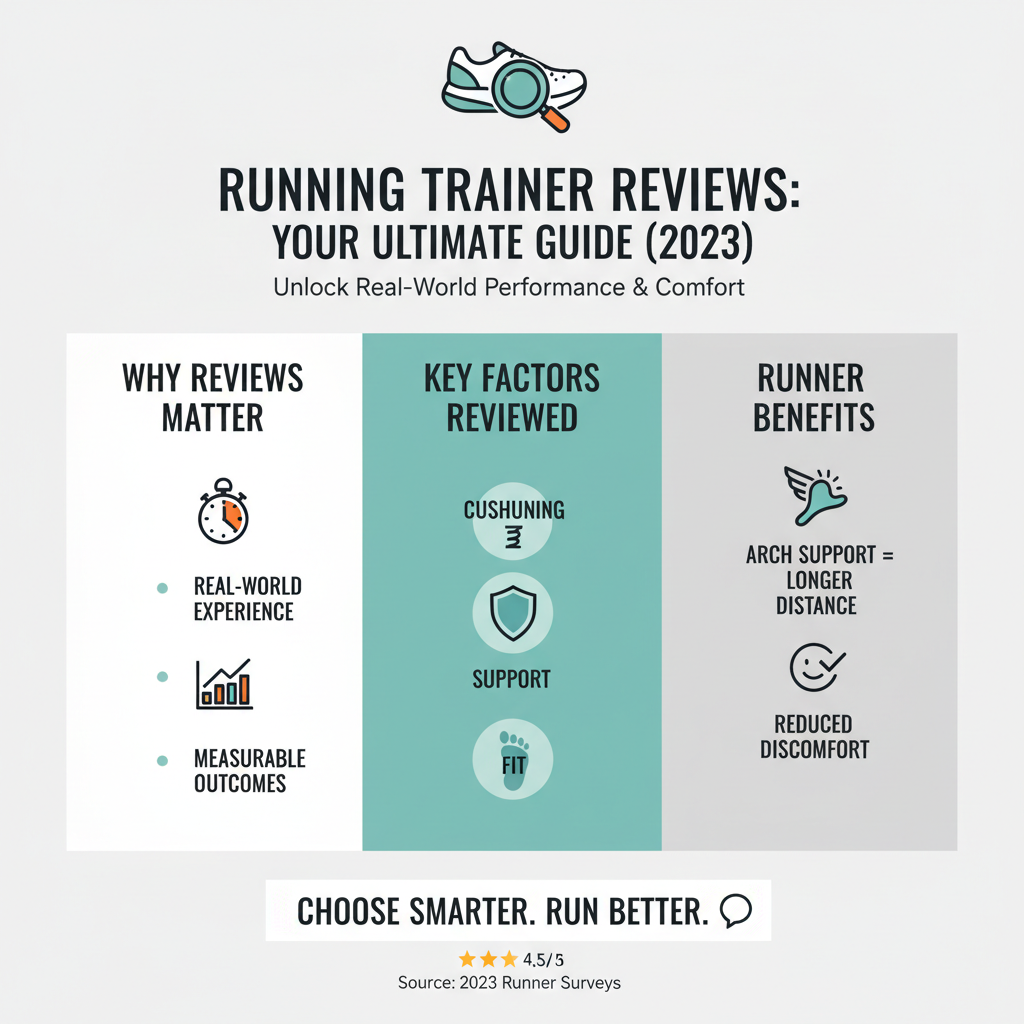
In 2023, the importance of user reviews cannot be overstated when choosing running trainers, as they often provide a window into real-world experiences and measurable performance outcomes. Runners are keen to share their firsthand experiences with specific models, detailing how aspects such as cushioning, support, and fit affect their performance. For instance, models that excel in providing ample arch support frequently receive higher ratings from users who tend to run longer distances without discomfort.
Moreover, many runners have reported on the impact of running trainers on metrics such as pace and mileage. Those who gravitate towards cushioned trainers often highlight improvements in recovery times and reduced fatigue during longer runs, suggesting a direct correlation between comfort and performance. Conversely, minimalistic designs, while praised for their lightweight feel, are often critiqued for the potential risk of injury if not appropriately matched to a runner's specific gait and style. These insights serve as critical data points for potential buyers looking to optimize their running experience, emphasizing the necessity of aligning personal comfort with performance goals.