Shose expert

17 Years Manufacturing Experience
je

What Are Athletic Shoes Used For?

Athletic Shoes are designed to help people move safely and efficiently during physical activity. Their purpose extends beyond appearance. Running shoes support repeated impact on pavement, while court shoes help with quick lateral movements. Training shoes offer a firmer base for lifting and short bursts. Walking models usually emphasize comfort, flexibility, and steady heel-to-toe movement.

The details matter. A rubber outsole grips a polished gym floor. Foam under the heel softens contact with hard ground. A secure heel counter can reduce unwanted sliding during movement. However, no shoe can correct every movement problem. Fit, activity type, training load, and individual foot shape still matter. Small differences can become obvious after several miles.

Footwear researcher Dr. Benno Nigg has often expressed a practical principle: “The best shoe is the one that is comfortable.” That idea deserves careful attention. Comfort is useful, but it should not become the only test. A comfortable shoe may still wear out, twist too easily, or lack suitable traction. A good choice should match the activity and the wearer’s experience.

Try them on later in the day, when feet may be slightly swollen. Wear the socks used during exercise. Check for toe movement, heel security, and pressure across the widest part of the foot. A short walk can reveal more than a clever advertisement. Still, personal preference complicates every recommendation. The “ideal” Athletic Shoes model does not exist for everyone. Even experts can revise their judgment after observing real use.
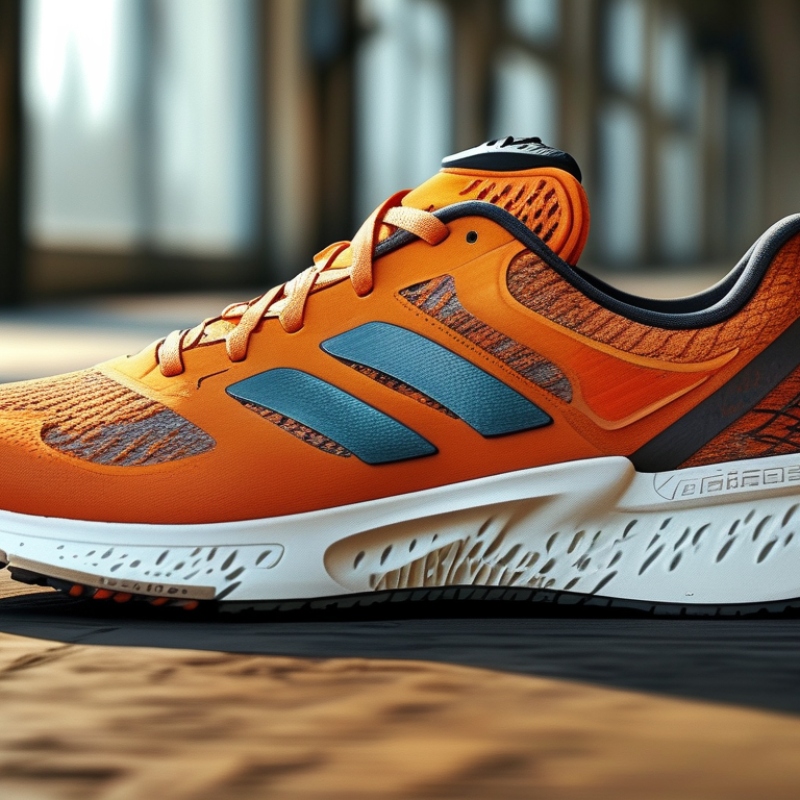
What Are Athletic Shoes Used For?

Types of Athletic Shoes and Their Intended Uses

What Are Athletic Shoes Used For?

Types of Athletic Shoes and Their Intended Uses

Athletic shoes are designed around movement, surface, and training demands. Road-running shoes usually provide lightweight cushioning for repeated forward strides on pavement. Trail-running shoes use deeper traction and firmer protection for rocks, mud, and uneven ground. They can feel awkward on smooth floors.

Training shoes support side-to-side movement, making them useful for circuits, fitness classes, and gym exercises. Their flatter base can improve stability during squats. However, they may feel less comfortable during long-distance running. Court shoes are built for quick stops, jumps, and lateral changes. Their outsole patterns match indoor or outdoor court surfaces, though wear can vary quickly.

Walking shoes generally emphasize flexible comfort and steady heel-to-toe movement. Hiking footwear adds stronger structure, grip, and weather resistance for longer outdoor routes. According to the American College of Sports Medicine, adults should complete at least 150 minutes of moderate activity weekly. The right shoe can make that routine more manageable, but it cannot correct poor training habits.

Market evidence also shows broad demand. Grand View Research estimated the global athletic footwear market at about US$152 billion in 2023. The Sports & Fitness Industry Association reported roughly 50 million U.S. running and jogging participants in 2023. These figures suggest varied needs, not one universal shoe. I have found that comfort is personal. A technically suitable pair may still feel wrong after twenty minutes. Check fit, movement, and surface before choosing.

How Athletic Shoes Support Different Physical Activities

What Are Athletic Shoes Used For?

How Athletic Shoes Support Different Physical Activities

Athletic shoes support movement during running, walking, training, and court sports. Their design changes with each activity. Running shoes often use cushioning to soften repeated impacts on pavement. They also guide the foot through a forward stride. Walking shoes usually provide flexible soles and steady heel support. Weight-training shoes need a firm base for controlled lifting. A soft sole can feel pleasant. It may reduce stability under heavy loads. I learned this after my ankles shifted during a simple squat.

Court shoes focus on side-to-side movement. Their outer soles help players stop without sliding across polished floors. Trail shoes often include deeper tread for loose soil, stones, and wet paths. Cycling shoes prioritize a stiff sole, which transfers more force to the pedals. No shoe fits every activity perfectly. Comfort matters, but comfort alone can be misleading. A shoe may feel good for ten minutes and irritate the foot after an hour. Fit, activity, surface, and personal movement patterns all deserve attention.

Tips

Match the shoe to the activity. Try both shoes with your usual socks. Walk, bend, and make a few sport-specific movements. Check for heel slipping or toe pressure. Replace shoes when the sole feels uneven or the cushioning seems flat. Persistent pain needs professional assessment, not a different color or style.

What Are Athletic Shoes Used For?

Athletic shoes are designed to match the movement, impact, and stability demands of different physical activities. The chart shows relative design priorities on a five-point scale, based on common biomechanical requirements rather than any specific brand or product.

How to read the chart: Running and hiking typically place greater emphasis on cushioning, while basketball and tennis require stronger lateral stability. Walking shoes generally prioritize flexibility and everyday comfort.

Key Design Features That Improve Performance and Comfort

What Are Athletic Shoes Used For?

Key Design Features That Improve Performance and Comfort

Athletic shoes support movement during running, training, walking, and court-based activities. Their design helps manage impact, improve grip, and keep the foot stable on changing surfaces.

A responsive midsole cushions repeated landings without feeling excessively soft. Foam thickness matters, but so does its ability to recover after each step. A flexible forefoot allows natural toe movement during sprints or climbs. Fit matters more. The heel should feel secure, while the toes need enough room to spread. Tight shoes can create pressure during longer sessions.

The outsole uses patterned rubber for traction on indoor floors, tracks, or pavement. Deep grooves can improve flexibility, while wider contact areas may support balance. Breathable mesh helps release heat and moisture around the foot. A padded tongue can reduce lace pressure, and a firm heel counter may limit unwanted sliding.

These features work differently for every person. A lightweight shoe is not automatically better. I used to assume maximum cushioning always meant greater comfort, but that idea needs testing across different workouts. A stable trainer may feel awkward during short runs yet useful during weight exercises. Replace worn shoes when the tread smooths out or the midsole feels flat. Check your actual training surface, too. A design made for pavement may perform poorly on wet grass.

Choosing Athletic Shoes for Specific Sports and Exercise Goals

What Are Athletic Shoes Used For?

Choosing Athletic Shoes for Specific Sports and Exercise Goals

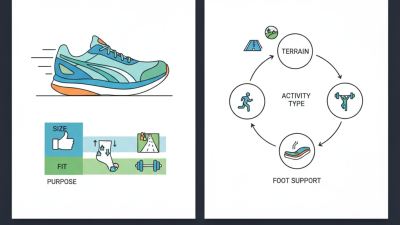
Athletic shoes should match movement, surface, and training purpose. Running shoes support repeated forward motion on pavement or treadmills. Court shoes need stronger lateral stability for sudden cuts and stops. Hiking shoes prioritize traction, protection, and controlled footing on uneven ground.

The Sports & Fitness Industry Association reported 50.2 million U.S. running and jogging participants in 2023. That number reflects many different bodies, routes, and skill levels. A beginner may need comfortable cushioning and a secure heel. An experienced runner might prefer a lighter, firmer design. Do not choose by appearance alone. Walk, jog, and check whether your toes can move freely.

Strength training demands a different approach. A stable, low-profile sole can help during squats and deadlifts. Excessive softness may feel comfortable but reduce balance under load. For court sports, test side-to-side movement before buying. For trail exercise, inspect the outsole pattern and heel grip. The World Health Organization recommends 150 to 300 minutes of moderate activity weekly, so durability matters when shoes face frequent use.

I still sometimes overvalue cushioning. That is a mistake. Comfort matters, but it cannot replace fit or sport-specific support. Check worn tread, tilted midsoles, and new aches. Replace shoes when their structure changes, not only when the upper looks damaged. Individual needs vary, and professional fitting can expose problems a mirror misses.

What Are Athletic Shoes Used For? - Choosing Athletic Shoes for Specific Sports and Exercise Goals

Sport or Exercise Primary Use Recommended Shoe Characteristics Key Movement Demands Best Goal Supported Important Selection Tips
Road Running Repeated forward strides on paved or other firm surfaces Cushioning, flexible forefoot, breathable upper, and a durable outsole Forward motion with repetitive impact Comfortable mileage and consistent training Choose a secure heel and enough room for natural toe movement; fit should feel comfortable from the first wear.
Trail Running Running on dirt paths, gravel, mud, rocks, and uneven terrain Outsole lugs for traction, protective upper, stable platform, and appropriate cushioning Lateral adjustments, climbing, descending, and surface changes Confidence and control on variable ground Match tread depth and protection to the trail conditions; avoid overly smooth soles on loose terrain.
Walking Daily walking, commuting, travel, and low-impact fitness Comfortable cushioning, flexible construction, stable heel, and breathable materials Heel-to-toe rolling motion at a moderate pace All-day comfort and regular activity Prioritize fit, ventilation, and a supportive feel without excessive stiffness or weight.
Gym and Cross-Training Mixed workouts involving cardio, strength training, and agility drills Stable base, moderate cushioning, flexible forefoot, and lateral support Forward, backward, and side-to-side movement Versatility across varied workouts Select a flatter, stable platform for lifting and enough flexibility for jumps and quick drills.
Weight Training Squats, deadlifts, presses, and other resistance exercises Firm, stable sole with limited compression and a secure fit Controlled force production and balance under load Stable footing and efficient lifting technique Avoid very soft, highly compressible running shoes when stability is the main priority.
Basketball Indoor court play with jumping, sprinting, stopping, and cutting Reliable court traction, cushioning, secure upper, and lateral stability Frequent stops, pivots, jumps, and side-to-side movements Agility, court control, and impact management Choose an outsole designed for indoor courts and check that the foot does not slide inside during cuts.
Tennis and Pickleball Racquet-sport movement on hard courts or other court surfaces Lateral support, durable toe area, stable platform, and court-appropriate traction Repeated shuffles, pivots, lunges, and sudden stops Quick direction changes and controlled movement Do not rely on ordinary running shoes for frequent lateral play; court shoes are built for side-to-side demands.
Soccer Field-based play on grass or synthetic surfaces Surface-specific studs or cleats, close fit, ball-control feel, and lightweight construction Acceleration, deceleration, cutting, and kicking Traction and responsive field movement Use footwear designed for the playing surface; incorrect stud patterns can reduce traction and comfort.
Cycling Pedaling indoors or outdoors, depending on the bicycle and riding style Firm sole, secure closure, ventilation, and compatibility with the pedal system Repeated ankle motion and steady force transfer through the pedals Efficient pedaling and foot security Select footwear based on flat pedals or clip-in pedals; very soft soles may reduce pedaling efficiency.
Hiking Walking on uneven trails while carrying light to moderate loads Traction-focused outsole, protective materials, stable midsole, and weather-appropriate coverage Uneven steps, inclines, descents, and prolonged walking Foot protection and stability outdoors Choose low-cut shoes for lighter trails and more supportive footwear for rough terrain or heavier packs.
High-Intensity Interval Training Short bursts of running, jumping, bodyweight exercises, and agility work Lightweight cushioning, flexible forefoot, secure fit, and lateral stability Rapid transitions, impact, and multidirectional movement Responsive movement and workout versatility Balance cushioning with stability; a highly flexible shoe may feel less secure during lateral drills.
Indoor Fitness Classes Dance, aerobics, step workouts, and instructor-led conditioning Lightweight build, cushioning, flexible sole, and smooth but controlled pivoting Rhythmic steps, turns, jumps, and repeated direction changes Comfort and movement freedom during group exercise Look for a comfortable fit and suitable indoor traction; avoid soles that grip so strongly that pivots become difficult.

Proper Use and Care of Athletic Shoes

What Are Athletic Shoes Used For?

Proper Use and Care of Athletic Shoes

Athletic shoes support movement during running, walking, training, and court activities. Their soles help manage impact, while structured uppers help keep the foot stable. Use shoes for their intended activity whenever possible. Running shoes may not provide enough side support for tennis or fast gym drills. Training shoes can feel too firm for long-distance running. Choosing the wrong pair may cause discomfort, even when the shoes look well made.

I learned this through ordinary use. A pair that felt comfortable on pavement became slippery on a damp trail. The tread was not designed for loose ground. Check the fit before each workout. Your toes should move slightly, and your heel should stay secure. Tight laces can create numbness. Loose laces can cause rubbing and blisters. Small details matter.

Care affects performance. Loosen the laces before removing your shoes, instead of stepping on the heel. Take out the insoles and let both parts air dry after heavy sweating. Avoid direct heat, such as a radiator or hair dryer. Heat can weaken adhesives and distort foam. I once dried wet shoes beside a heater. They became stiff and uneven. That was my mistake. Clean dirt with a soft brush and mild soapy water. Inspect the tread, seams, and midsole regularly. Replace the shoes when cushioning feels flat, the tread is worn, or pain appears repeatedly. Some wear is easy to miss.