What Is the Difference Between Shoes and Sneakers?
What is the difference between shoes and sneakers? The answer seems simple, but real footwear is rarely that tidy. Shoes are the broader category. They include dress shoes, boots, sandals, loafers, work shoes, and sneakers. Sneakers are a specific type of shoe, usually designed with flexible soles, cushioned midsoles, and breathable uppers. Their construction supports walking, training, running, or everyday movement.
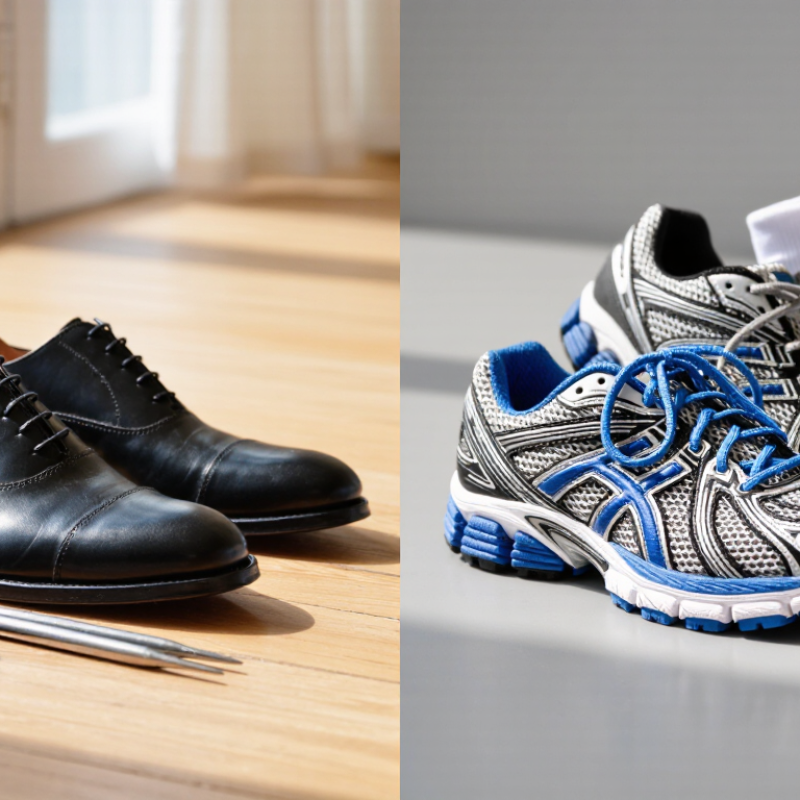
Footwear designer Christian Louboutin once said, “A shoe has so much more to offer than just to walk.” His observation fits the modern Shoes Sneakers industry. A sneaker may protect the foot, but it can also express identity, technology, comfort, and culture. A leather oxford often has a firm sole and polished upper. A running sneaker may contain mesh fabric, foam cushioning, and a rubber outsole shaped for repeated impact. The difference becomes visible in your hands.
Look closely.
Still, the categories overlap. Some casual shoes borrow sneaker materials, while some sneakers imitate formal shoes. A minimalist sneaker might look almost identical to a simple leather slip-on. That creates confusion for shoppers. Appearance alone cannot explain performance, durability, or fit. Materials and intended use matter more.
This guide examines those differences without treating every label as absolute. A sneaker is not automatically better for every activity. A formal shoe is not always uncomfortable. Those assumptions deserve another look. By comparing design, function, comfort, and style, readers can make more reliable choices for work, exercise, travel, and daily wear. The boundary remains imperfect, but that imperfection makes the subject worth understanding.
What Are Shoes and Sneakers?
Shoes are items worn on the feet for protection, support, comfort, or style.
The word “shoe” describes a broad category. It includes dress shoes, boots, sandals, work shoes, and sneakers. A typical shoe has an upper, an insole, and an outsole. These parts may use leather, fabric, rubber, or synthetic materials. Their design changes according to the activity and environment.
Sneakers are a specific type of shoe, usually made for movement and everyday wear.
They often have flexible rubber soles, cushioned insoles, and breathable uppers. These features can help during walking, light exercise, or long periods of standing.
A running sneaker may include shock absorption and a curved sole. A casual sneaker may focus more on appearance than athletic performance.
Not every sneaker is suitable for serious training.
The difference is mainly purpose and construction.
Shoes may look formal, structured, or highly protective. Sneakers usually feel lighter and bend more easily near the toes. The boundary is not perfect. Some modern shoes combine formal materials with sneaker-style cushioning.
I once assumed a soft sole meant better comfort, but poor arch support changed my mind after a long day.
Fit, activity, surface, and foot shape matter more than the label alone.
Small details matter.
How Shoes and Sneakers Differ in Design and Construction
What Is the Difference Between Shoes and Sneakers?
Shoes and sneakers differ most clearly in design and construction. “Shoes” is a broad category that includes formal, casual, work, and athletic footwear. Sneakers usually describe shoes designed for movement, comfort, and everyday activity. Their shapes often look less rigid. A sneaker may have a rounded toe, padded collar, and breathable upper. A formal shoe usually has cleaner lines and a firmer structure.
Construction reveals more detail. Sneakers commonly combine mesh, synthetic panels, foam midsoles, and flexible rubber outsoles. These layers help absorb impact and allow the foot to bend naturally. Many pairs use adhesive bonding, stitching, or both. Traditional leather shoes may use a structured upper, a heel counter, and a firmer insole. Some include welt stitching, which connects the upper, insole, and outsole more securely. However, not every leather shoe uses this method. That distinction matters.
I often judge footwear by its flex point and internal support, not appearance alone. A soft upper can feel comfortable but may stretch too quickly. A thick sole can reduce ground impact, yet it may feel unstable on uneven surfaces. Sneakers also vary widely in cushioning, width, and heel support. The category is not perfectly defined. Some casual shoes borrow athletic features, while some sneakers use stiff leather and decorative stitching. Checking the last shape, seams, outsole pattern, and material quality gives a more reliable comparison than labels alone.
The Main Uses of Traditional Shoes and Sneakers
What Is the Difference Between Shoes and Sneakers?
Traditional shoes usually serve formal, professional, or protective purposes. Their leather, synthetic, or textile uppers often create a cleaner appearance. Structured soles can improve stability during office work, ceremonies, or customer-facing roles. Some work shoes also include slip-resistant outsoles and reinforced toes. They are not simply decorative.
Sneakers are designed mainly for walking, training, commuting, and casual use. Their flexible uppers and cushioned midsoles support repeated movement. However, everyday sneakers are not automatically suitable for running or court sports.
Fit matters more than appearance. The American Podiatric Medical Association reported that 77% of surveyed adults had experienced foot pain, showing why comfort deserves careful attention.
The World Footwear 2024 Yearbook recorded about 23.9 billion pairs of footwear produced globally in 2023. That scale reflects many needs, not one universal shoe type.
A practical fitting check is simple: toes should move freely, the heel should not slide, and pressure should not appear across the forefoot.
The boundary is imperfect. Some sneakers now look formal, while some traditional shoes include flexible cushioning.
I have found that people often choose by style first, then regret ignoring the sole. Industry reports provide useful direction, but personal walking habits still decide whether a pair works.
Why Sneakers Are Considered a Type of Shoe
What Is the Difference Between Shoes and Sneakers?
Shoes are a broad category of footwear worn to protect and support the feet. Formal shoes, boots, sandals, and sneakers all belong to this category. Sneakers are a specific type of shoe, usually made for movement, comfort, or casual daily wear. They often have flexible uppers, cushioned midsoles, and rubber outsoles that grip indoor and outdoor surfaces. The word “sneaker” describes a design and purpose, not a separate class of footwear.
In my experience, a sneaker feels different because it bends naturally near the toes. A cushioned heel can soften each step on a hard pavement. Breathable fabric may also reduce heat during a long walk. However, appearance can be misleading. Some sneakers look suitable for running but lack enough support or stability. I once chose a pair because it felt soft in the store, then noticed my feet tiring after several hours. That assumption was too simple.
A reliable choice depends on the activity, foot shape, and fit. Walking sneakers usually need comfortable cushioning and a stable base. Training shoes may require stronger side support for quick movements. Everyday sneakers can prioritize flexibility and appearance, but they should still hold the heel securely. Leave a small space near the longest toe, and check whether the shoe rubs your heel. A sneaker remains a shoe, yet its construction makes it better suited to active comfort than many traditional styles.
How to Choose Between Shoes and Sneakers
What Is the Difference Between Shoes and Sneakers?
How to Choose Between Shoes and Sneakers
Choosing between shoes and sneakers depends on your routine, comfort needs, and surroundings. Traditional shoes often use leather, suede, or other structured materials. They usually offer a polished shape for offices, ceremonies, or formal gatherings. Sneakers generally use flexible fabric, mesh, rubber, or synthetic materials. Their lighter construction suits walking, commuting, and relaxed daily clothing.
Fit comes first. Measure both feet late in the day, when slight swelling is common. Your toes should move freely without touching the front. The heel should stay secure while you walk. Try both pairs with the socks you normally wear. A comfortable five-minute fitting can reveal pressure that looks invisible in a photograph. That matters.
Consider the ground beneath you. Smooth soles may feel elegant indoors but can become unstable on wet pavement. Textured rubber usually improves traction for everyday travel. Sneakers can be practical, but not every pair supports long walks or standing. Check the cushioning, arch support, and flexibility by bending the sole gently. A very soft sole is not automatically better. I once chose comfort without enough stability, and my feet felt tired after a short city walk.
Think about maintenance, too. Some shoes need careful cleaning and conditioning. Many sneakers tolerate simple wiping, though mesh can hold dust and moisture. Choose neutral colors if you need one versatile pair. Select formal shoes when appearance carries professional weight. Choose sneakers when movement, breathability, and casual comfort matter more. Your perfect choice may change with the day.
What Is the Difference Between Shoes and Sneakers?
How to Choose Between Shoes and Sneakers
How to read the chart: Sneakers generally prioritize cushioning, flexibility, breathability, and athletic movement. Traditional shoes usually provide greater formality, structure, and suitability for dress-oriented occasions. The scores use a 1–5 comparative scale based on common footwear construction and usage characteristics, not on any specific brand.