Shose expert

17 Years Manufacturing Experience
je

Why Are Casual Trainers in High Demand Worldwide?

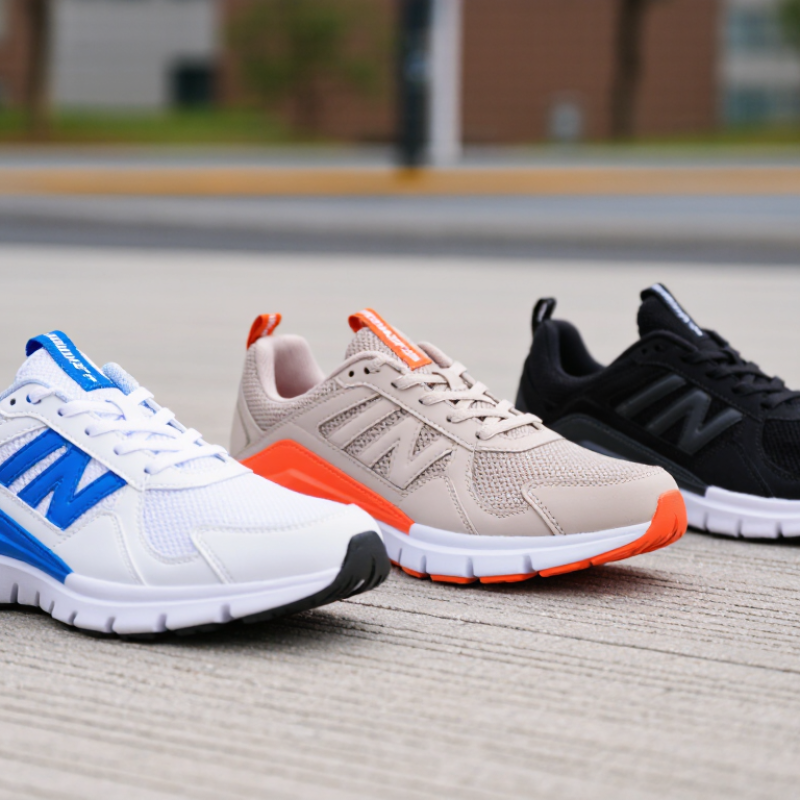
Casual Trainers have moved far beyond the gym. They now appear on office commutes, campus paths, and weekend errands. Their appeal is practical: cushioned soles, flexible uppers, and styling that works with everyday clothes. But demand is not driven by comfort alone. Consumers also look for versatility, brand identity, and designs that feel current without being difficult to wear.

The market context is substantial. Grand View Research estimated the global athletic footwear market at USD 136.8 billion in 2023, with projected growth from 2024 to 2030. That figure covers athletic footwear broadly, not Casual Trainers alone, so it should not be read as a direct category total. Still, it helps explain why brands keep investing in lighter materials, varied silhouettes, and everyday performance features. Small details matter. A softer heel collar can change a long walk.

Nike designer Tinker Hatfield has been quoted as saying, “I think the sneaker culture is bigger than the shoe.” His observation points to an important part of the story: trainers can signal taste and belonging, as well as serve a practical purpose. Yet popularity does not guarantee that every pair is comfortable, durable, or responsibly made. Buyers still need to check fit, construction, and care requirements. This article explores why Casual Trainers attract shoppers worldwide, what is shaping their appeal, and where the market’s promises deserve a closer look.
Why Are Casual Trainers in High Demand Worldwide?

What Defines Casual Trainers and Their Everyday Role?

Casual trainers are everyday shoes built to balance comfort, support, and a relaxed appearance. They usually have flexible uppers, cushioned midsoles, and rubber outsoles suited to pavements and indoor floors. Their shape may resemble athletic footwear, but that does not make every pair appropriate for running or demanding sports. Purpose matters.

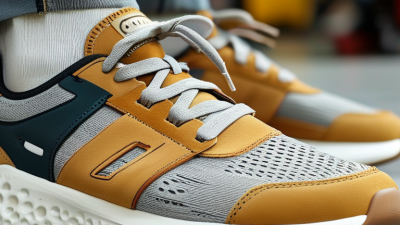
In daily life, they move easily between a short commute, a grocery run, and hours spent standing at work. A padded heel can reduce rubbing, while a breathable mesh upper may feel cooler on a warm walk. Small details count. So does fit. The toe box should leave room for natural movement, and the heel should feel secure without pinching. These signs are more useful than judging comfort from appearance alone.

Materials and construction vary, so “casual trainer” describes a broad category rather than one precise technical standard. Some pairs feel light but offer little support on long walks; others have firmer soles that take time to soften. That distinction is easy to overlook. I used to treat soft cushioning as a sign of a better shoe, but it can feel unstable for some wearers. Trying trainers with the socks and routine you actually use gives a more reliable impression.
How Comfort and Versatility Encourage Frequent Wear

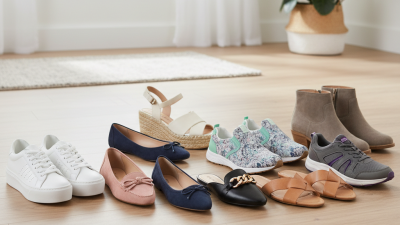
Casual trainers earn repeat wear by handling small, ordinary demands. A soft lining helps on a long commute; a flexible sole feels less awkward when errands turn into an afternoon walk. They pair easily with jeans, workwear, or travel clothes. That matters. People often choose the shoe that fits the whole day, not just one activity.

Comfort also has practical importance. The American Podiatric Medical Association’s 2014 survey found that 77% of Americans had experienced foot pain. This is not a trainer-sales statistic, but it helps explain why fit and cushioning influence footwear choices.

The World Footwear Yearbook 2024 estimated global footwear production at 22.4 billion pairs in 2023. That figure covers all footwear, not casual trainers alone, so it cannot prove their specific popularity. Still, it shows the enormous scale of everyday footwear production.

A useful trainer needs more than softness: a secure heel, enough toe room, and a sole suited to the wearer’s routine. Not every cushioned shoe feels right. Comfort is personal, and a versatile design can still disappoint if it rubs after several hours.

How Fashion and Self-Expression Broaden Their Appeal

Casual trainers have become more than practical shoes; they are a quiet part of personal style. Their low-profile shape works with jeans, relaxed trousers, and simple dresses. A clean white sole can make an outfit feel lighter, while muted colors blend into everyday clothes. Bright laces or textured fabric add a more individual touch. That detail matters. Small choices can change how familiar clothes feel. Trainers also suit changing routines, from a short walk to an afternoon spent meeting friends. No outfit rules.

Fashion broadens their appeal because people can adapt the same basic shoe to different moods. A canvas pair might feel casual with rolled-up hems, while a softer neutral design looks more understated with workwear. Fit and comfort still deserve attention: a fashionable shoe is less useful if it rubs after an hour. Trends can also push people toward buying more than they need. I may be giving shoes too much credit here; confidence comes from the person wearing them, not the sole. Still, choosing a pair that feels honest to your taste can make getting dressed a little more personal.

How Global Retail and Online Shopping Expand Access

Global retail has made casual trainers easier to find beyond major shopping districts. Regional distributors and multi-category stores can carry everyday styles, while local stock reduces waiting time and makes trying different sizes possible. Online shops widen the choice further: shoppers can compare materials, prices, size charts, and delivery options from home. A useful detail is often the return policy, not the product photo. Fit varies, and a neat image cannot tell you how a shoe feels after a long walk.

The scale of online access is substantial, though not universal. The UNCTAD report COVID-19 and E-commerce: A Global Review found that online retail’s share of total retail sales across 13 selected economies rose from 16% in 2019 to 19% in 2020. The ITU’s Facts and Figures 2023 estimated that 5.4 billion people were online, around 67% of the world’s population. That matters. But connectivity does not guarantee affordable shipping, reliable sizing information, or access to payment services. Retailers that show measurements clearly and explain delivery and returns can make online buying less uncertain. The system still has gaps, especially where delivery networks are limited; wider choice does not automatically mean easy access.

Why Are Casual Trainers in High Demand Worldwide? — How Global Retail and Online Shopping Expand Access

Dimension Evidence or market reality How it can support demand for casual trainers Source
Online access worldwide In 2024, an estimated 5.5 billion people—about 68% of the world’s population—used the internet. A larger connected audience can discover, compare, and purchase footwear through online retail. Internet access remains uneven, so this does not mean every consumer can shop online. International Telecommunication Union, Facts and Figures 2024
Online interest in shoes and clothing In 2023, clothing, shoes, or accessories were the most commonly purchased online product category among EU internet users; 45% reported buying items in this category online. This regional measure shows that online shopping is already an established route for fashion and footwear purchases. It is not a trainer-specific or worldwide sales figure. Eurostat, 2023 online purchasing data
Scale of global e-commerce UNCTAD estimated that global e-commerce sales reached approximately US$26.7 trillion in 2019, including business-to-business and business-to-consumer sales. Large digital commerce infrastructure gives retailers established ways to present products and take orders across markets. The estimate covers all sectors, not footwear alone. UNCTAD, global e-commerce sales
Multiple retail routes Consumers can encounter footwear through physical stores, retailers’ websites, online marketplaces, and digital storefronts. Availability and delivery options differ by market. Combining online discovery with store-based browsing can make casual trainers easier to find. Physical stores also let shoppers inspect materials and try sizes before buying. Retail-channel description; channel availability varies by country and retailer.
Everyday versatility Casual trainers are commonly designed for everyday wear and are sold in a broad range of silhouettes, materials, and price points. Features vary by product. A shoe that can suit commuting, leisure, and informal daily use may appeal to shoppers seeking one practical option for several settings. General product-category characteristic; no universal consumer-preference percentage is implied.
Product comparison and discovery Online product pages can display photographs, descriptions, size selections, prices, and customer reviews; the information provided varies by seller. These tools can help shoppers compare styles and options across sellers without visiting each store, potentially widening access to products not stocked locally. General e-commerce functionality; not a measured trainer-specific sales effect.
Barriers to online purchase Footwear purchases can be affected by fit uncertainty, shipping costs, delivery times, and return policies. These conditions differ among retailers and destinations. Clear size guidance, local availability, and convenient returns can reduce friction; weak delivery or return options may limit online access despite broad product choice. Market conditions vary by seller and location; no single global rate is asserted.

Scope note: Public figures cited here describe internet use, online fashion purchases, or e-commerce overall. They should not be interpreted as global casual-trainer sales or as proof of a single cause of demand.

What Keeps Worldwide Demand for Casual Trainers Growing

Casual trainers fit the small gaps between work, errands, and downtime. In many cities, people walk to transit, stand through long shifts, or cross wet pavements on the way home. A lightweight pair with a cushioned sole can handle these routines without looking overly sporty. That practical mix helps explain why shoppers keep choosing them. Comfort matters. So does flexibility. Neutral colors often work with jeans, loose trousers, or simple workwear, reducing the need to own several pairs for different settings.

Demand also grows because casual trainers are easy to find across price ranges and retail channels. Shoppers can compare sole thickness, upper materials, and return options online, then look for the same features in local stores. Small details count: a padded heel may reduce rubbing, while breathable fabric can feel better in warm weather. Still, demand is not identical everywhere. Rain, heat, local clothing habits, and household budgets shape what people buy. A popular style may be uncomfortable for someone with a different foot shape, and a low price does not always mean good value. The market moves quickly, perhaps too quickly; shoppers sometimes replace a usable pair for a new color. That is worth questioning.