Best Sports Shoes Manufacturers in China for Global Buyers
China remains a major production base for global Sports Shoes buyers. The World Footwear Yearbook 2024 reported that China produced approximately 55.5% of the world’s footwear in 2023. This scale supports broad material access, specialized factories, and flexible production capacity. Yet, volume alone does not prove manufacturing quality.
The McKinsey Sporting Goods Report estimated annual industry growth of about 5% between 2021 and 2025. Buyers now expect lighter midsoles, recycled materials, stable cushioning, and consistent sizing. These demands require more than attractive samples. They require documented testing, clear quality controls, and experienced technical teams. Biomechanics expert Benno Nigg is widely associated with the practical principle, “The best shoe is the shoe that feels best.” That simple idea still matters. A shoe can look advanced but fail during a long shift or repeated training.
This guide examines leading Chinese Sports Shoes manufacturers for international buyers. It considers factory experience, product development, certifications, production capacity, export performance, and communication reliability. It also highlights important details, including outsole bonding, mesh breathability, foam rebound, carton protection, and pre-shipment inspection.
No supplier is perfect. Some websites exaggerate capabilities, while some excellent factories present limited English information. That gap deserves careful review. Buyers should request recent factory evidence, test reports, production samples, and realistic lead times. The strongest partnership is not always the cheapest option. It is the one that protects performance, consistency, and customer trust across repeated orders.
China’s Sports Shoe Manufacturing Industry and Global Market Role
China’s sports shoe manufacturing industry remains central to global footwear supply. The World Footwear Yearbook 2024 reported that China produced about 55.5% of the world’s footwear in 2023. It also supplied roughly 63.7% of global footwear exports. These figures show strong factory capacity, mature component networks, and efficient port access.
For global buyers, the advantage is not only low production cost. Chinese manufacturers can manage molded soles, engineered mesh, recycled fabrics, and performance testing within connected supply chains. The China Sporting Goods Industry Federation reported that China’s sporting goods industry exceeded RMB 3 trillion in recent years. This supports domestic testing, technical talent, and faster product development. However, broad industry data covers many product categories. It does not prove that every factory specializes in running or training shoes. That distinction matters.
Tips: Request factory audit records, material test reports, and recent production samples. Check whether stated capacity matches actual machinery and workers. Ask for test standards, such as abrasion, flexing, slip resistance, and chemical safety. Independent verification is safer than relying on catalog claims.
The market picture is powerful, but not perfect. Rising labor costs, stricter environmental expectations, and uneven quality control still create pressure. Smaller factories may offer flexibility, yet their documentation can be incomplete. Buyers should compare total landed cost, not only the quoted shoe price. Shipping delays, inspection fees, packaging changes, and rejected samples can quickly alter the original calculation.
Best Sports Shoes Manufacturers in China for Global Buyers
China’s Sports Shoe Manufacturing Industry and Global Market Role
China remained the world’s largest footwear manufacturing and exporting base during 2019–2023. Its share of global production stayed above 54%, while its export share remained above 60%, highlighting the country’s importance for international sports shoe sourcing, private-label production, and supply-chain services.
Source: World Footwear Yearbook, rounded global footwear production and export shares. The figures represent the broader footwear industry and are used as a market-scale proxy for sports shoe manufacturing.
Key Types of Sports Shoes Produced by Chinese Manufacturers
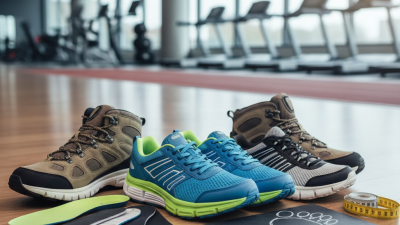
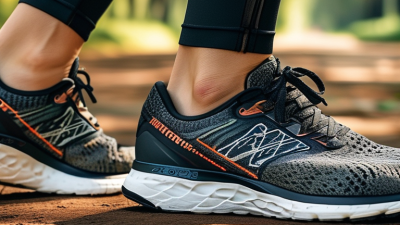
Chinese sports shoe manufacturers produce several footwear types for global buyers. Running shoes often use breathable mesh, foam midsoles, and rubber traction zones. Road models prioritize lightweight cushioning. Trail models need deeper lugs, reinforced toe caps, and stronger upper fabrics. The difference is easy to feel on wet gravel.
Training shoes support lateral movement during gym workouts. They usually have firmer midsoles and wider bases than running shoes. Basketball shoes add ankle structure, impact cushioning, and court-specific grip. Football shoes use molded studs for controlled traction on suitable playing surfaces. Hiking sports shoes often combine water-resistant materials with protective overlays.
Tips: Request samples in several sizes, not just one pair. Check stitching, glue lines, heel stability, and outsole bonding by hand. Ask for material specifications, test reports, and production photos. Requirements differ between markets, so confirm labeling and safety expectations early. A factory sample may look excellent while bulk production varies. I have seen small changes in mesh density affect comfort and airflow. Do not rely on photographs alone. Wear-test samples on the intended surface, record defects, and compare measurements before approving production. Suppliers with clear quality procedures are usually easier to manage, although communication can still expose weak points.
Sourcing, Pricing, Logistics, and Import Considerations
China offers a wide range of sports shoe manufacturers for global buyers, from small workshops to large export factories. Experienced sourcing teams inspect production lines, worker safety, material storage, and quality records before placing orders. A factory visit can reveal more than a polished catalog. Requesting sample pairs is essential. Check stitching, sole bonding, sizing, odor, flexibility, and packaging strength. Confirm the minimum order quantity, development fee, mold ownership, and production lead time in writing.
Pricing depends on materials, construction, order volume, testing, packaging, and payment terms.
A low quotation may exclude tooling, inspection, inland transport, or export documentation. Ask for a complete landed-cost estimate. Keep a 5–10% allowance for sampling changes and unexpected port charges. Small details matter. A spreadsheet can still lie.
Logistics planning should begin before production starts. Choose air freight for urgent samples and sea freight for larger commercial shipments. Confirm carton dimensions, gross weight, pallet requirements, and shipping marks. Importers must verify product labeling, customs classification, restricted-material rules, and destination-market safety requirements with qualified professionals. Use independent pre-shipment inspections when possible, especially for new suppliers. One missed measurement can delay a container. Payment milestones should connect to approved samples, production evidence, and final inspection results. Clear purchase contracts should define tolerances, replacement procedures, late-delivery remedies, and responsibility for defective goods. Mistakes still happen, so records, photos, and written approvals deserve careful attention.