Casual Shoes are designed for everyday wear, but the category includes many different shapes, materials, and levels of support. A canvas sneaker may suit a short walk, while a leather loafer can feel more appropriate at work or dinner. The label alone tells you little about how a shoe will feel after several hours. Fit, cushioning, flexibility, and the surface you walk on all matter. Small details count. A firm heel counter can help the shoe feel secure, while a narrow toe box may press against your toes. There is no single pair that works for everyone.
Choosing well starts with your routine. Think about whether you walk on pavement, stand for long shifts, or mostly travel by car. Check that your toes have room, your heel does not slip excessively, and the sole bends where your foot naturally flexes. Try shoes on later in the day if your feet tend to swell, and wear the socks you expect to use. Materials also deserve attention: breathable fabric may feel cooler, while smooth leather often needs time to soften. Still, these are tendencies, not promises. Even a well-reviewed shoe can feel wrong on your foot. This guide will explain common casual styles and practical ways to compare comfort, construction, and versatility before you buy.
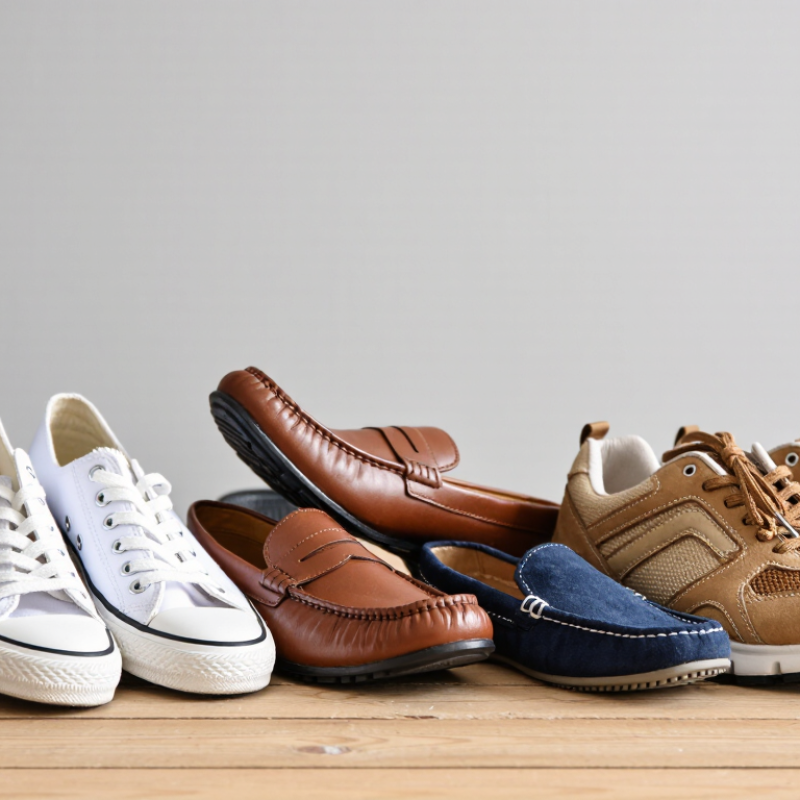
Casual shoes are defined more by their intended setting than by one fixed construction. They suit everyday, relaxed wear, such as walking to a café or sitting through a workday. Common examples include sneakers, loafers, flats, and simple slip-ons. Materials and shapes vary, but a casual style usually avoids the formality of dress shoes and the specialized build of athletic footwear. The boundaries are fuzzy. A clean sneaker may work in a casual office, while a similar-looking pair may feel too sporty for it.
Comfort still depends on fit, not appearance alone. The American Podiatric Medical Association’s 2014 Public Opinion Research on Foot Health reported that 77% of U.S. adults had experienced foot pain. That figure is a useful reminder, though it does not prove that casual shoes caused the pain. Check that toes can spread without pressing against the front, and that the heel does not slip with each step. Walk on a hard floor before deciding. A soft upper can feel pleasant in a store, yet a thin, unstable sole may disappoint after a long day. I sometimes overvalue softness; it is an easy mistake. Look for a secure fit and enough cushioning for your usual routine.
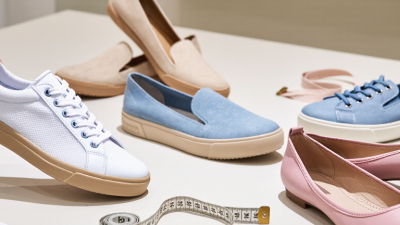
Casual shoes are defined less by appearance than by how they move with the foot. A flexible forefoot should bend near the toes, while the heel counter should feel steady without rubbing. The toe box needs room for toes to spread; a narrow, tapered shape can feel fine while seated and pinch during a walk. Fit comes first. Soft foam feels inviting, but it is not proof of support. The American Podiatric Medical Association’s 2014 Public Opinion Research on Foot Health and Care found that 77% of Americans had experienced foot problems. The survey is self-reported, so it cannot show that shoes caused every problem, but it makes fit worth checking.
Look for cushioning that feels even under the heel and ball of the foot, not a thick sole that makes the shoe unstable. Breathable uppers can help reduce trapped heat on long days, while stitched or layered panels may hold their shape better than very flimsy material. Check both shoes late in the day, when feet may be slightly larger, and walk on a firm floor. Your heel should not slip, and your toes should not touch the front. A small flaw in fit matters. I’d reconsider a pair that feels “almost right”; comfort during a brief try-on is not the same as comfort after several hours.
How to read this chart: Each bar shows whether a feature is included in a simplified example of that shoe style (1 = included; 0 = not included). These are illustrative archetypes, not market statistics; actual designs vary. When choosing casual shoes, consider fit, cushioning, flexibility, and how securely they stay on your feet.
Common Types of Casual Shoes
Casual shoes cover several distinct styles. Canvas sneakers are light and flexible for everyday errands. Loafers slip on easily and pair well with trousers or simple dresses. Boat shoes have grippy soles and stitched uppers, though they are not just for boats. Flats offer a low profile, while casual boots add coverage on cool or wet days. Each style feels different on the foot.
Comfort depends on fit, not the label. The American Podiatric Medical Association’s 2014 Public Opinion Research on Foot Health and Care found that 77% of Americans had experienced foot pain. That figure does not mean casual shoes cause pain, but it is a useful reminder to check comfort carefully. Look for toe room, a secure heel, and cushioning that suits your daily walking. A shoe can look relaxed and still rub.
Tips: Try shoes on later in the day, when feet may be slightly swollen. Walk on a firm surface and check for pinching. Socks matter, too. I still find it easy to judge a shoe by its appearance first; that is a habit worth questioning.
Choosing casual shoes starts with where and how long you plan to wear them. A pair for quick errands may feel fine on a short walk, yet become tiring after several hours. Try shoes late in the day, when feet can be slightly larger. Walk on a firm floor and notice whether your toes can spread without rubbing. Check that the heel stays secure, but does not pinch. Small details matter.
Match the sole and upper to your routine. If you walk on wet sidewalks, look for dependable traction and materials that dry reasonably quickly. For commuting or standing at work, cushioning and a stable base may matter more than a soft, flexible sole. If you need one pair for several settings, choose a simple shape and a color that works with your usual clothes. Test the fit with the socks you expect to wear. Fit still wins. It is easy to focus too much on appearance; a sleek shoe is no bargain if you avoid wearing it. Give both feet a few minutes to settle, then reassess pressure around the widest part. Comfort is personal, so a checklist cannot replace a real-world test.
Check fit late in the day, when feet may be slightly fuller. Wear the socks you expect to use with the shoes. Leave about a thumb’s width in front of your longest toe, and make sure the sides do not squeeze. Your heel should stay mostly in place as you walk, without rubbing. Not just standing. Walk on a firm floor and notice whether your foot slides or your toes hit the front.
Comfort should feel steady, not merely soft. Pay attention to pressure under the arch, across the ball of the foot, and around the ankle. A short walk can reveal hotspots that disappear while sitting but become irritating later. I have sometimes trusted a soft first impression too much; cushioning alone does not guarantee support. If one spot feels wrong in the shop, it may not improve with wear.
For durability, inspect the stitching, joins, and sole edges. Look for loose threads, gaps, or glue lifting away from the upper. The sole should bend near the ball of your foot, not fold easily through the middle. Small flaws matter. Press the heel gently; it should feel secure rather than collapse at once. Flexible materials can be comfortable, but very thin sections may wear faster on rough pavement. Consider where you will walk most, and check whether the tread feels grippy underfoot.
| What to Check | How to Check It | A Good Sign | Watch Out For |
|---|---|---|---|
| What “casual shoes” means | Consider the intended use: everyday walking, commuting, relaxed social settings, or light errands. | The shoe suits your routine and provides more coverage and support than a simple slipper or sandal when needed. | “Casual” describes a broad style category, not a guarantee of comfort, support, or suitability for sports. |
| Toe-room and length | Try shoes on while standing, preferably later in the day. Leave some space in front of the longest toe and walk a few steps. | Toes can spread and move without pressing against the front or sides. A thumb’s-width guide is commonly used, but fit varies by foot and shoe shape. | Toes touching the front, numbness, or pressure that persists while walking. Do not rely on break-in to fix a shoe that is too short. |
| Width and foot shape | Check whether the shoe feels secure across the midfoot without squeezing the forefoot. Compare both feet, as they may differ in size. | The upper holds the foot comfortably, with no painful pinching or bulging over the sole edge. | Side pressure, tingling, or the foot spilling over the edge can indicate a poor width or shape match. |
| Heel hold | Walk at a normal pace and notice whether your heel stays in place. A small amount of movement can occur, but repeated slipping may cause rubbing. | The heel feels held without being pinched, and the shoe does not slide noticeably with each step. | Persistent heel lift, friction, or a need to overtighten the laces to keep the shoe on. |
| Comfort while walking | Walk on a firm, level surface for several minutes. Notice pressure points, stability, and whether the shoe bends naturally with your step. | The shoe feels comfortable immediately, with cushioning and flexibility appropriate to your needs. | Pain, rubbing, unstable footing, or the expectation that significant discomfort will disappear after a long break-in period. |
| Support and intended activity | Match the shoe to the activity and your personal comfort needs. For extended walking, test it on a similar surface and for a realistic duration. | The shoe feels stable and comfortable for the distances and settings in which you plan to wear it. | A casual shoe may not provide the specialized traction or support required for running, hiking, or other sports. |
| Upper material | Inspect seams, overlays, and the area around the toe. Consider breathability, weather exposure, and how much care the material requires. | Materials feel appropriate for your use, with even stitching and no obvious gaps, loose threads, or weak joins. | Thin or poorly secured sections in areas that receive frequent bending or rubbing may wear sooner. |
| Outsole and traction | Look for a securely attached sole and a tread pattern suited to the surfaces where you walk. Avoid testing grip on a dangerous or slippery surface. | The outsole is intact, evenly attached, and has tread appropriate for ordinary walking conditions. | Loose edges, cracks, unusually smooth worn areas, or tread that does not suit your usual surfaces. |
| Construction and durability | Check the stitching, sole-to-upper bond, eyelets, laces, and stress points. Compare these details across the whole pair. | Parts are aligned and securely finished, with no visible separation or defects. | Uneven seams, weak-looking attachment points, or early sole separation can be signs of poor construction. |
| Fit at home | Try the shoes indoors on a clean surface, with the socks you expect to wear. Follow the retailer’s return conditions. | The fit remains comfortable after walking and standing, not just while seated. | Keep in mind that feet can swell during the day; a fit that feels tight later may become uncomfortable during longer wear. |
| Care and expected wear | Check the care instructions and consider how often the shoes will be worn, the surfaces they will encounter, and whether they can be cleaned easily. | The care requirements are practical for your routine, and wear is checked periodically at the outsole and seams. | Durability cannot be judged by appearance alone; it also depends on construction, frequency of use, fit, and care. |