Shose expert

17 Years Manufacturing Experience
je

What Are the Top Types of Running Shoes for Women?

Choosing the right pair of running shoes can change how a woman feels during every mile. The best option depends on running surface, distance, pace, foot shape, and personal comfort. A cushioned daily trainer may suit steady road runs, while a lightweight racing shoe can support faster efforts. Trail shoes offer deeper lugs for loose dirt, rocks, and wet ground. Stability shoes may help runners who prefer structured support, but they are not automatically better for everyone.

This guide explores the top types of Running Shoes Women can consider before buying. It looks at cushioning, flexibility, heel-to-toe drop, traction, durability, and fit. A reliable choice should leave roughly a thumb’s width near the toes. The heel should feel secure without rubbing. Try shoes later in the day, when feet are slightly larger. Small details matter.

Comfort comes first.

Professional fitting advice can help, especially after recurring discomfort or a major change in training. However, shoe categories should not replace medical guidance for persistent pain. Research and expert recommendations provide useful direction, but individual experience remains important. A model praised by many runners may still feel stiff, narrow, or unstable on your feet. I have learned that “best” is rarely universal. Even careful advice has limits. The right pair should match your body, goals, and usual routes—not simply a popular label or attractive design.
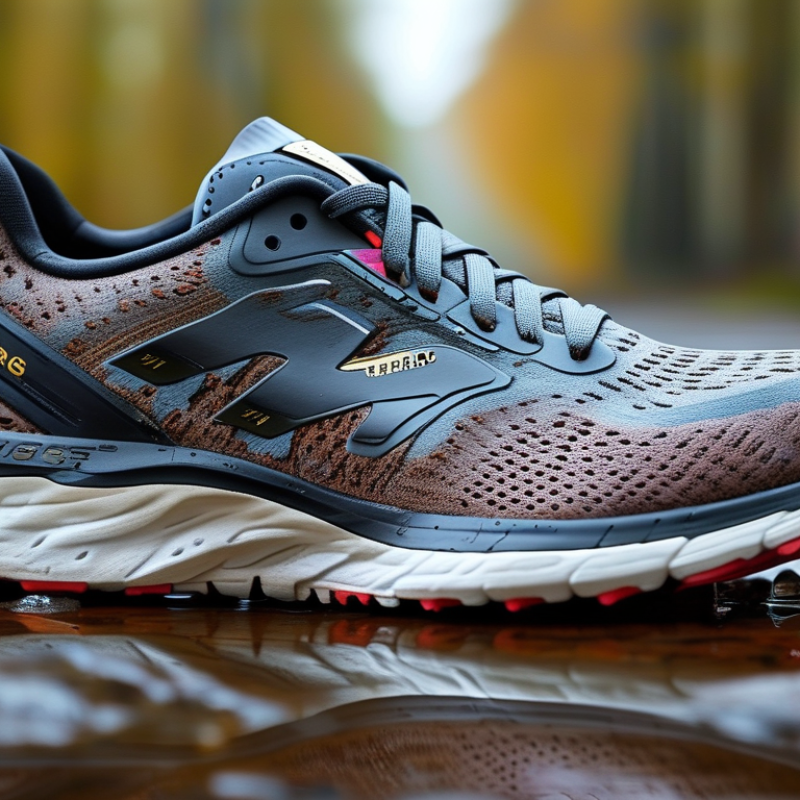
What Are the Top Types of Running Shoes for Women?

Understanding the Main Categories of Women’s Running Shoes

Women’s running shoes fall into several practical categories, and each serves a different running experience. Daily trainers suit regular road miles, with balanced cushioning and flexible uppers. Stability shoes add structured support for runners whose feet roll inward noticeably. However, pronation alone should not decide your purchase. A professional fitting and a short treadmill test are more useful.

Max-cushion shoes provide a softer landing for long runs or tired legs. Lightweight trainers feel quicker during intervals, but their thinner build may fatigue beginners. Racing shoes use highly responsive foam and stiff plates, although they can feel unstable at walking speed.

Trail shoes add deeper lugs, firmer protection, and more secure heel holds for gravel or muddy paths. They are not automatically better on pavement.

The Sports & Fitness Industry Association’s 2024 Topline Participation Report recorded 50.4 million U.S. running and jogging participants in 2023. That broad audience explains why one category cannot fit every woman. Foot shape matters more than gender labels. Check toe room, arch comfort, heel movement, and width after several minutes. A half-size change can alter comfort dramatically. Real-world testing still beats attractive specifications. Some advice also oversimplifies women’s footwear needs, especially when it assumes narrower feet or lighter body sizes. Those assumptions deserve more scrutiny.
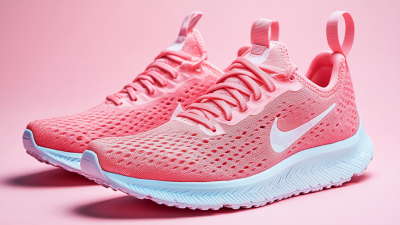
Choosing Shoes by Foot Motion and Support Needs

What Are the Top Types of Running Shoes for Women?

Choosing Shoes by Foot Motion and Support Needs

Running shoes should match how your feet move, not just your preferred color or cushioning level. A neutral shoe often suits runners whose ankles remain fairly aligned during landing. If your foot rolls inward noticeably, a stability shoe may provide helpful guidance. Motion-control designs offer firmer support, but they can feel restrictive for some runners. A gait assessment can reveal more than a label. Even a short treadmill check may show ankle collapse, uneven loading, or a heavy heel strike.

Cushioning also depends on distance, surface, and comfort. Soft foam may reduce harsh impact on pavement, while a firmer platform can feel steadier on corners. Trail runners need grip and protection around roots and loose stones. Check the fit late in the day, when feet are slightly swollen. Leave about a thumb’s width in front of the longest toe. The heel should stay secure without pressure.

Do not ignore small signals. Numb toes, rubbing, or hot spots usually indicate a poor fit. Foot shape matters more than gender-based assumptions. Wide forefeet may need extra room, while narrow heels need better lockdown. One common mistake is choosing maximum support before confirming the actual problem. More structure is not automatically safer. Rotate shoes gradually, track discomfort, and reassess after several runs. Comfort is useful evidence, but persistent pain deserves evaluation by a qualified healthcare professional.

Matching Running Shoes to Terrain and Training Goals

What Are the Top Types of Running Shoes for Women?

Matching Running Shoes to Terrain and Training Goals

Running shoes should match the surface beneath your feet and the work your body must perform. The 2024 SFIA Topline Participation Report recorded 50.5 million U.S. running and jogging participants in 2023. That broad participation makes one “best” shoe unrealistic. Road shoes suit pavement, treadmills, and smooth paths. They usually feel lighter, with flexible cushioning for repeated forward motion. Track workouts may need a firmer, more responsive design. Speed changes matter.

Trail shoes need different protection. Deeper lugs improve grip on mud, gravel, and loose soil. A stable platform helps when roots tilt the foot sideways. Rocky routes may justify stronger toe protection and firmer underfoot materials. However, aggressive traction can feel awkward on sidewalks. Terrain decides.

Training goals also change the choice. Daily mileage favors comfortable cushioning and a secure heel hold. Interval sessions often benefit from lighter shoes with quicker transitions. Long-distance preparation may require testing comfort beyond 60 minutes, not just standing in a store. The American College of Sports Medicine’s 2024 Worldwide Survey ranked wearable technology as the leading fitness trend, showing how closely athletes now track training load. Data helps, but it cannot replace body feedback.

A common mistake is choosing maximum cushioning for every run. More softness is not automatically better. Notice hot spots, slipping, and unusual soreness after several sessions. Fit still needs personal testing. Women's feet are not identical, and sizing labels can vary. Reconsider the shoe when terrain, pace, or weekly mileage changes.

What Are the Top Types of Running Shoes for Women? — Matching Running Shoes to Terrain and Training Goals

Running Shoe Type Primary Terrain Best Training Goal Key Construction Features Typical Ride and Cushioning Traction Needs Ideal Use Case Potential Limitations
Daily Road Trainers 舗? paved roads, sidewalks, tracks, and treadmills General fitness, easy runs, and regular weekly mileage Durable outsole, balanced midsole cushioning, breathable upper, and a stable platform Moderate to highly cushioned; smooth and predictable for repeated training Moderate A reliable first pair for runners who want one versatile shoe for most road workouts Usually lacks the aggressive grip and protection required for technical trails
Max-Cushion Road Shoes Roads, paved paths, and long stretches of firm surfaces Long runs, recovery sessions, and comfort-focused training Thicker foam platform, generous heel and forefoot protection, and a soft or highly cushioned midsole High cushioning with greater impact protection; may feel less agile Moderate Runners who prioritize underfoot comfort during longer or slower sessions Can feel heavier or less responsive during fast intervals and sharp turns
Stability Road Shoes Roads, sidewalks, tracks, and treadmills Daily mileage for runners who prefer additional guidance or a more structured feel Broad base, supportive geometry, and a secure upper; modern designs often guide motion without rigid posting Moderate to high cushioning with a controlled, stable ride Moderate Runners seeking a planted platform, especially when fatigue affects form Support features are not automatically necessary for every runner and may feel intrusive to some
Lightweight Tempo Shoes Roads, tracks, and smooth paved paths Tempo runs, progression runs, threshold sessions, and controlled speed work Lower weight, responsive foam, flexible forefoot, and a streamlined upper Moderate cushioning with a firmer or more energetic response Moderate Runners who want a faster-feeling shoe for workouts without using racing footwear May provide less comfort, durability, and stability than a daily trainer
Racing Shoes Road races and smooth, well-maintained tracks Road racing, personal-best attempts, and short performance-focused sessions Very lightweight build, highly responsive foam, curved geometry, and sometimes a rigid propulsion plate Responsive and efficient; cushioning and stiffness vary by design Moderate Experienced runners who are comfortable with a more aggressive, performance-oriented ride Higher cost and reduced versatility; the geometry may require an adaptation period
Light Trail Shoes Gravel paths, park trails, hard-packed dirt, and non-technical woodland routes Recreational trail running and mixed road-to-trail training Protective toe area, durable upper, moderate lugs, and a more secure fit than most road shoes Moderate cushioning with a balance of flexibility and ground awareness Moderate to high Runners who move between pavement and maintained trails during the same outing Small or moderate lugs may slip on deep mud, loose scree, or very wet roots
Technical Trail Shoes Rocky, muddy, root-filled, steep, or uneven trails Trail training, mountain routes, and runs requiring precise foot placement Deep multidirectional lugs, reinforced upper, rock protection, secure heel hold, and durable outsole Moderate cushioning with improved stability and ground protection High Runners who regularly encounter loose soil, wet terrain, rocks, or steep changes in grade Deep lugs can feel uncomfortable or wear quickly on extensive pavement
Water-Resistant Trail Shoes Wet grass, damp trails, light rain, and cool muddy conditions Wet-weather trail training and short outings in changeable conditions Water-resistant membrane or treated upper, trail outsole, and reinforced construction Moderate cushioning; protection is prioritized over maximum breathability High Runners who frequently train in damp conditions and need additional protection from surface moisture Water resistance is not the same as full waterproofing; membranes may feel warmer
Minimalist or Low-Stack Shoes Roads, tracks, and smooth trails for adapted runners Form-focused drills, short runs, and gradual foot-strength development Low foam volume, flexible construction, broad toe area, and limited underfoot structure Low cushioning with strong ground feedback and high flexibility Low to moderate Runners who deliberately prefer a close-to-ground feel and can transition gradually Rapid increases in distance may raise stress on the calves, Achilles tendon, and feet
Cross-Training Shoes Gym floors, indoor courts, strength-training areas, and short treadmill sessions Strength workouts, circuits, agility drills, and mixed gym training Wide stable base, firm heel, flexible forefoot, and durable sidewalls Low to moderate cushioning with lateral stability Low to moderate Women combining resistance training with brief running intervals or conditioning work Usually less efficient and less cushioned for continuous outdoor running

Selection note: Choose the shoe type according to the surfaces you run on most often, your training intensity, preferred comfort level, and personal fit. Terrain, mileage, and individual biomechanics can affect the best choice.

Comparing Fit, Cushioning, Stability, and Responsiveness

What Are the Top Types of Running Shoes for Women?

Fit should guide every comparison. A well-fitting shoe holds the heel securely without squeezing it. Your toes should spread naturally, with about a thumb’s width ahead. Women’s feet often vary as much as men’s feet, so gendered labels cannot replace an actual fitting. Try shoes after walking or running, when feet may swell slightly. I once chose a narrow pair because it felt fast in the store. That decision caused numb toes after several miles.

Cushioning changes the feeling underfoot. Soft, thick foam can reduce harsh sensations on pavement, but it may feel less precise during turns. Moderate cushioning often suits daily road running. Runners seeking a quicker stride may prefer responsive shoes with firmer foam and a springier transition. They can feel exciting. They can also expose weak calf muscles if introduced too quickly. Stability shoes add guidance through firmer sections or structured geometry. They may help runners whose ankles roll inward excessively, but not everyone needs that support.

The best type depends on pace, surface, body comfort, and running history. A neutral shoe may suit an efficient stride, while a stability model can feel reassuring during long, tired miles. Trail shoes need grippy outsoles and secure uppers, not simply extra cushioning. Walk, jog, and stop suddenly in each candidate. Notice heel movement, arch pressure, and whether your toes remain relaxed. My testing is not perfect; comfort on one run can mislead. A short trial should not replace several gradual outings.

Selecting the Right Women’s Running Shoes for Individual Use

Choosing the right women’s running shoes starts with your routine, not a fashionable label. Daily trainers suit regular road runs and offer balanced cushioning. Lightweight shoes may help during faster sessions, but they can feel harsh on longer routes. Trail shoes provide deeper grip for loose ground, while stability shoes may support runners whose feet roll inward noticeably. A specialist assessment can help, but it should not replace your own comfort.

Measure both feet late in the day, when mild swelling is common. Leave about a thumb’s width beyond the longest toe. Your heel should stay secure without pressure around the ankle. Walk, jog, and make a few sharp turns before buying. Watch for rubbing, numbness, or toes touching the front. Those small signs matter.

Consider your surface, weekly distance, pace, and injury history. Softer cushioning may feel pleasant on concrete, yet excessive softness can reduce confidence on uneven paths. Some runners need structured support, while others move better in flexible shoes. Fit is individual. Very individual.

A practical test is a short outdoor run, if the seller permits it. Feet often behave differently after thirty minutes. I have found that an impressive first try can become uncomfortable later, so I would not judge too quickly. Socks also change the fit. Replace worn shoes when cushioning feels flat, the outsole loses traction, or familiar aches appear without another clear cause. Her running shoes should support her movement, not force it.

What Are the Top Types of Running Shoes for Women?

Selecting the right women’s running shoes depends on terrain, cushioning preference, foot motion, and training goals. The chart shows typical heel-to-toe drop ranges found across common running-shoe categories.

Heel-to-toe drop is the height difference between the heel and forefoot, measured in millimeters. These ranges are general design patterns rather than recommendations; individual models and runner preferences vary.