2026 Best Casual Sport Shoes for Global Wholesale Buyers
The 2026 Best Casual Sport Shoes for Global Wholesale Buyers guide examines practical choices for changing international markets. It focuses on comfort, durability, stable supply, and consistent sizing. Wholesale decisions depend on more than attractive product photos. Buyers need clear specifications, verified materials, and reliable factory communication. A shoe that feels light in a showroom may perform differently after weeks of warehouse handling. Small details matter.
This guide reviews breathable mesh, recycled textiles, rubber outsoles, and flexible foam midsoles. It considers walking comfort, grip, stitching quality, and moisture management. Sample pairs should be tested on concrete, tile, and outdoor surfaces. Buyers should also compare size charts across regions. A difference of three millimeters can affect customer satisfaction. Independent laboratory reports can support claims about materials and product safety. However, paperwork should never replace physical inspection.
No forecast is perfect. Color trends can change quickly. Shipping costs can shift without warning. Some promising models may still show weak heel support or inconsistent glue lines. That is why responsible sourcing requires repeated samples, realistic wear testing, and transparent supplier discussions. Buyers should evaluate minimum order quantities, packaging, lead times, replacement policies, and production capacity. The right Casual Sport Shoes range balances commercial appeal with dependable performance. This introduction sets the foundation for comparing styles that are practical, scalable, and suitable for responsible global wholesale purchasing.
What Defines a Casual Sport Shoe for Wholesale Markets in 2026
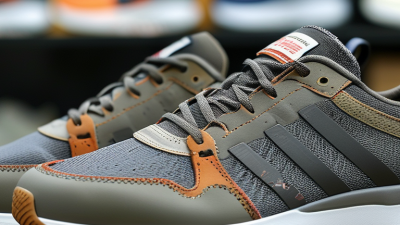
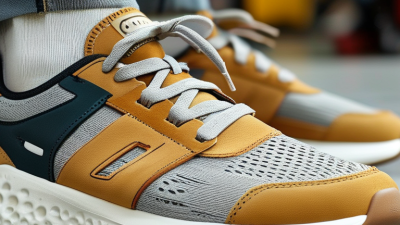
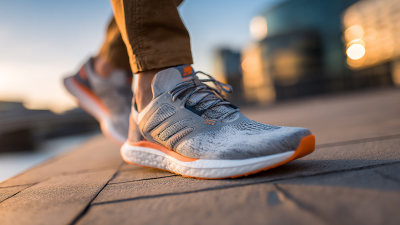
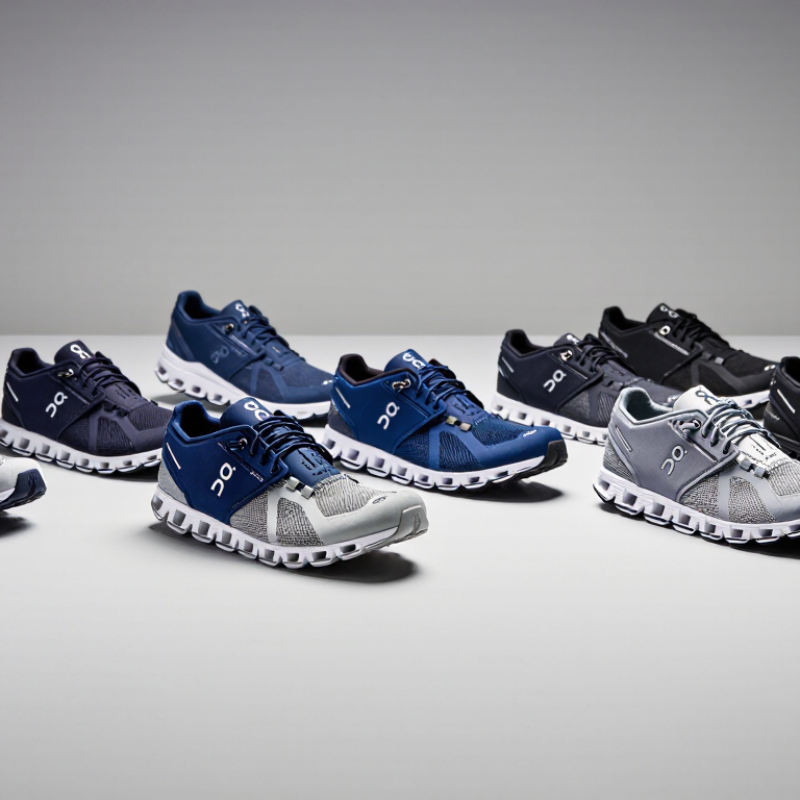
In 2026, a casual sport shoe for wholesale markets must serve more than weekend styling. Buyers expect one product to move from commuting to light training. The design usually combines a low-profile athletic shape, flexible cushioning, and a clean everyday upper. Breathable mesh helps in warm regions. Reinforced toe panels protect against repeated street use.
Practical performance decides whether a shoe earns repeat orders. A rubber outsole should grip wet pavement without feeling heavy. The midsole needs comfortable shock absorption, but excessive softness can reduce stability. During sample reviews, buyers should check heel compression, stitching tension, odor, and size consistency. Small differences between pairs often create costly returns. A clear size chart and accurate color samples build trust.
Wholesale readiness also includes reliable production details. Factories should provide material information, inspection records, carton measurements, and reasonable minimum order quantities. Packaging must protect the shoes without adding unnecessary waste. Seasonal colors can attract retailers, yet neutral options usually support steadier volume. No buyer gets every variable right. A fashionable upper may age quickly, while a durable sole can increase the final cost. Careful testing and honest communication remain more valuable than exaggerated performance claims.
Key Performance and Design Criteria for Global Buyers
2026 Best Casual Sport Shoes for Global Wholesale Buyers
Key Performance and Design Criteria for Global Buyers
Wholesale buyers should judge casual sport shoes beyond appearance. The World Footwear Yearbook 2024 reported about 22.4 billion pairs produced globally in 2023. Asia supplied roughly 87% of that volume. This scale makes factory consistency, material control, and delivery reliability essential. Upper materials should resist scuffing and light moisture. Outsoles need stable grip on tile, concrete, and wet pavement. A flexible forefoot also supports daily walking. Test samples on real surfaces, not only in showrooms.
Fit remains a commercial decision. A narrow toe box can increase returns. Excess cushioning can add weight and raise shipping costs. Buyers should compare heel stability, arch support, breathability, and outsole abrasion after repeated wear. The 2024 Sporting Goods report from McKinsey and WFSGI highlights continued demand for versatile products that move between sport and everyday use. That sounds simple. It is not. Trend colors may sell quickly, but neutral options usually support wider regional distribution. Size grading must also reflect local customer data, not factory assumptions.
Tips: Request wear-test samples in several sizes. Record outsole wear after 100 kilometers. Check stitching, odor, bonding, and box compression. Ask for material test reports and production tolerances. Keep one uncomfortable question: does the shoe look better than it performs? A useful design can still fail if replenishment is slow. Expect revisions.
Top Casual Sport Shoe Categories and Their Target Markets
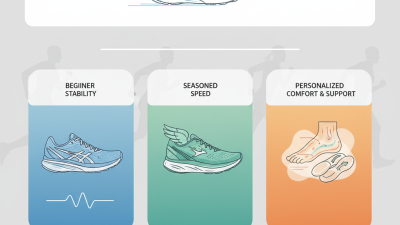
In 2026, casual sport shoes are splitting into clear wholesale categories. Lifestyle sneakers suit urban retailers and online stores seeking everyday versatility. Walking shoes fit mature consumers, commuters, and travel-focused markets. Lightweight knit slip-ons attract buyers who value easy fitting and breathable comfort. Court-inspired shoes appeal to younger shoppers who prefer clean, structured soles. Light trail shoes serve weekend users, especially in cities near parks or outdoor areas.
Target markets require different product decisions.
Southeast Asian buyers often prefer breathable uppers and quick-drying linings for humid conditions.
Gulf retailers may favor lighter colors, cushioned footbeds, and heat-resistant packaging.
European buyers frequently examine material transparency, size consistency, and recyclable packing options.
North American wholesalers may prioritize broader widths and strong online product photography.
These are useful patterns, not fixed rules.
Wholesale testing should include walking trials, outsole grip checks, stitching reviews, and carton inspections.
A practical sample test uses several sizes and two weeks of regular wear. Check heel movement, odor retention, and sole separation.
Pricing should include freight, packaging, defect allowances, and local duties. A low factory price can become expensive after returns.
Forecasts can still miss sudden color changes or regional sizing preferences. That uncertainty deserves a small trial order.
How to Evaluate Suppliers, Quality, Pricing, and Compliance
For global wholesale buyers, casual sport shoes should be judged through evidence, not polished product photos. Ask suppliers for factory details, production capacity, audit records, and two recent wholesale references. A live video tour can reveal cutting tables, stitching lines, storage conditions, and final inspection habits. Request samples from the intended production line. One attractive sample proves little.
Check size consistency, upper bonding, heel stability, outsole abrasion, odor, and stitching density. Wear-test samples on pavement and stairs for several days. Record defects with photos and batch numbers.
I have found that a low defect rate can hide weak packaging or inconsistent sizing. Allow for this risk in your purchase plan.
Compare landed cost, not only unit price. Include tooling, packaging, freight, duties, payment terms, and inspection fees. Ask for a written quotation with MOQ and price breaks.
Compliance is destination-specific.
Confirm material declarations, labeling, chemical restrictions, testing reports, and traceability documents before payment. Verify reports with the issuing laboratory when possible.
Tips: Use a scored supplier sheet.
quality 30 points
compliance 25
delivery 20
pricing 15
communication 10
Set a pre-shipment inspection level and reject unclear tolerances. Keep approval samples sealed. Recheck production pairs against them. Do not trust promises alone. My own process still misses occasional finishing flaws, so independent inspection remains worthwhile.
Wholesale Buying Strategies for Seasonal and Regional Demand
Global wholesale buyers should plan casual sport shoes around local seasons, not one worldwide calendar. The World Footwear Yearbook 2024 reported approximately 23.9 billion pairs produced globally in 2023. That scale rewards precise allocation. Lightweight mesh styles may move quickly in humid spring markets, while insulated uppers suit colder autumn regions. However, weather can shift suddenly. A clean forecast is never guaranteed.
Use historical sell-through, search trends, and retailer feedback together. Compare the previous three seasons by color, size, material, and return rate. Regional sizing data matters. So does delivery timing. In warm markets, buyers may need breathable shoes before temperature peaks. In rainy areas, water-resistant construction can extend demand. McKinsey and the World Federation of the Sporting Goods Industry reported continued growth in sporting goods through 2028, but growth will not be evenly distributed. Local income, commuting habits, and school calendars still change purchasing patterns.
Tips: Start with a controlled test order. Replenish proven sizes weekly. Keep 10–15% of the budget flexible for weather changes. Avoid putting every unit into one seasonal color. It looks efficient, but it can create slow stock. Our first forecast is rarely perfect. Review it honestly.
2026 Best Casual Sport Shoes for Global Wholesale Buyers
Seasonal wholesale demand index by region. A score of 100 represents the annual average demand level; higher values indicate stronger recommended buying windows for casual sport shoes.
Planning basis: normalized seasonal demand patterns, with stronger buying activity before spring/summer launches in the Northern Hemisphere and before summer in the Southern Hemisphere. The index is intended for wholesale planning and excludes company and brand data.